We may earn money or products from the companies mentioned in this post, but this does NOT cost you anything extra! Check out my full disclosure for more info.
I didn’t leap headfirst into zero-drop shoes, I eased into them.
Sure, I felt the usual calf and foot soreness at first, but instead of going all-in, I kept my regular shoes nearby as backup. I started small, wearing my new pair around the house so my feet could get used to them.
Back then, I felt every single rock, acorn, or bump in the ground like a warning signal.
These days, not so much. My feet have adapted, and the difference is night and day.
That slower, steady approach made all the difference, and it’s the reason I avoided the injuries most people face when making the switch.
The Big Mistake Most People Make
Most people think zero-drop shoes are just like regular shoes with a different style.
They buy a pair, lace them up, and head out for their usual long hike or run. Then they wonder why their calves feel like they just climbed Everest backward.
The truth is, your feet and lower legs have adapted to raised heels for years, maybe decades. Traditional shoes give you extra lift and padding that your muscles have come to depend on.
Zero-drop shoes take that away. Your calves now work harder. Your foot muscles get called out of early retirement. Your stride and balance change.
I discovered that I am a heal striker, and something I am still trying to avoid.
What I’m saying is that you should avoid jumping in too fast, the last thing you want is getting an injury!
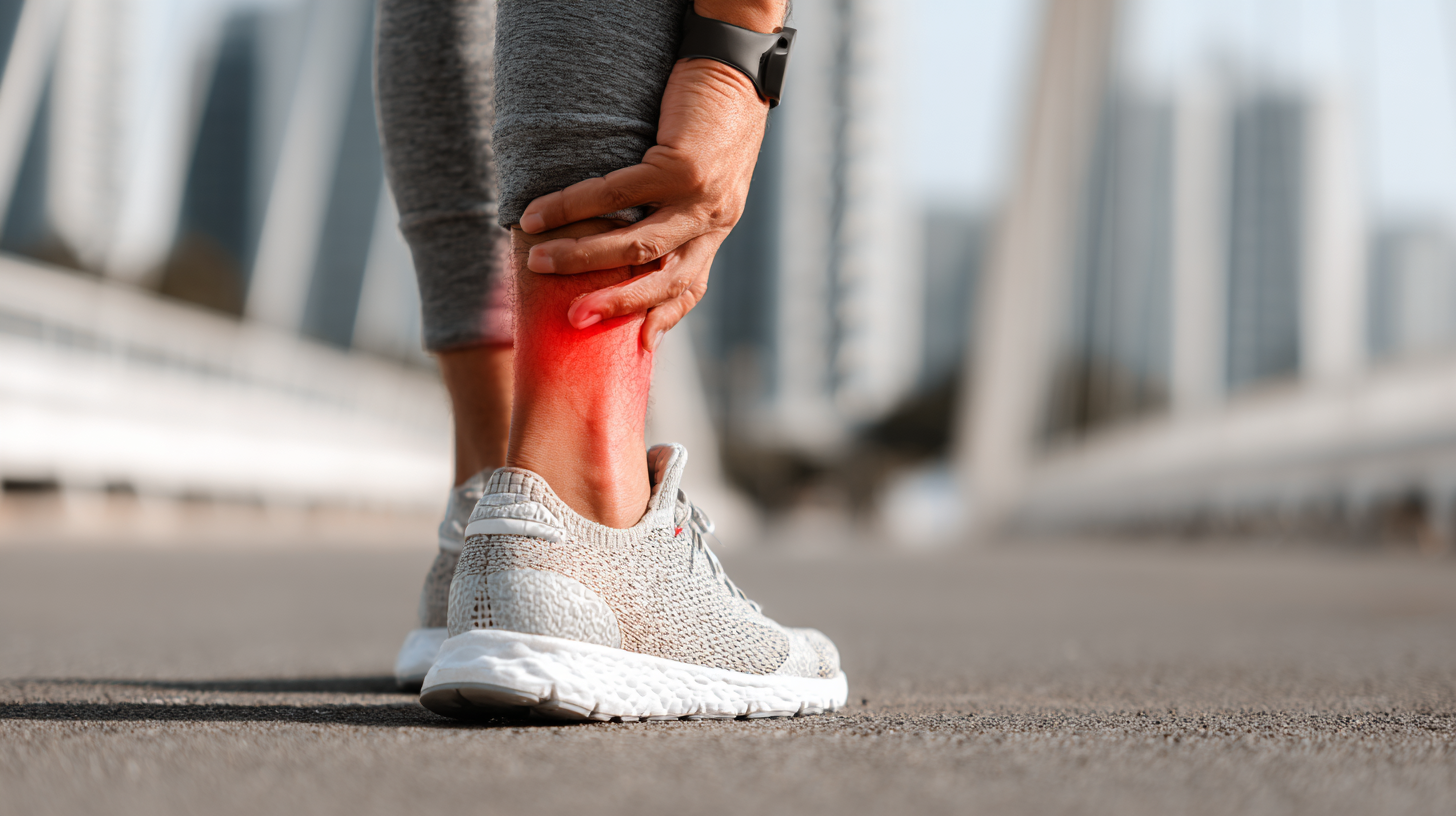
The Step-Down Method That Actually Works
A smart transition is slow and steady.
Instead of going from a chunky 12mm heel to flat zero in one leap, ease down in stages.
If you have the option, you can try moving from 12mm to 8mm, then 4mm, then zero. I started wearing another zero-drop shoe that also had more padding than Xero’s have.
When you finally start in zero-drop shoes, limit yourself to 30 minutes of walking. Not a marathon, not a full-day hike. Add more time only after your body starts to feel ready.
And pay attention to what your body tells you. Mild soreness? Normal. Sharp pain? That’s a red light.
What Needs Time to Adjust
Zero-drop shoes change more than your stride. They wake up muscles you forgot you had.
- Calves become your main shock absorbers
- Foot muscles work harder after years of cushy arch support
- Achilles tendon feels the extra stretch from a flatter stance
- Balance improves over time, but at first, you might feel wobbly
I’ve seen people at my gym wearing them for weight lifting, but then say they wear ‘normal’ shoes during the day. I started encouraging them to wear the Xeros all day. I’m still waiting to see what they think.
Set A Schedule That Works for You
Here’s a sample plan to keep you moving without hobbling:
- Weeks 1-2 – 30 to 60 minutes of flat-surface walking
- Weeks 3-4 – 2 hours of mixed activities, including some uneven terrain
- Weeks 5-6 – Short hikes or runs under 3 miles
- Weeks 7-8 – Increase distance, still below your normal levels
- Weeks 9-12 – Work back toward full activity
Some people adapt faster, others slower. The point is progress, not speed.
Take your time, and overall, your feet will thank you!
Signs You’re Going Too Fast
- Pain in calves, feet, or Achilles that sticks around after activity
- Soreness that doesn’t ease up with rest
- Awkward, forced stride changes
- Pain that causes limping
If you hit any of these, slow it down.
Why It’s Worth the Effort
Once your body adapts, the rewards make it all worthwhile!
- A more natural stride
- Stronger feet and legs
- Less stress on knees and hips
- More ankle and foot flexibility
- Better ground feel and balance
Just this weekend, I was camping and realized I didn’t bring any “hiking” shoes. I did a few hikes in my Xeros and my feet feel great! And no, it wasn’t anything crazy, but it makes me happy that my feet are improving.
Picking the Right Starter Pair
Not all zero-drop shoes are beginner-friendly.
- Go for a wide toe box so your toes can spread
- Start with casual walks before running or hiking models
- Pick a bit of cushioning instead of going ultra-thin right away
For me, the Xero Prio and 360s made the switch easy. They had that barefoot connection, but still gave enough comfort for daily wear.
Ready to make the move without the misery?
Start slow, listen to your body, and you’ll be wondering why you didn’t ditch the raised heel years ago.
Want to learn about the specific zero-drop shoes that work best for outdoor adventures?
Check out my complete Xero Shoes review, where I share real-world testing results and honest pros and cons from months of hiking and daily wear.