We may earn money or products from the companies mentioned in this post, but this does NOT cost you anything extra! Check out my full disclosure for more info.
I used to think I was prepared. I had bins of food, boxes of gear, and extra supplies stacked neatly in the garage. At least, that’s what I told myself.
Fast forward a few months.
I went to check my emergency food supply, only to find soggy cardboard boxes, rice scattered across the floor, and batteries corroded into useless hunks of metal. All that effort felt wasted.
That’s when I realized being “prepared” isn’t about what you buy. It’s about how you store it.
Smarter Storage Without Spending a Fortune
Something that is common is that people spend time and money collecting supplies, then toss them into garbage bags or leftover boxes. Months later, things are ruined, missing, or shoved in so many different closets that no one knows where anything actually is.
Sound familiar?
Here’s what worked for me and what probably works for you, too.
You don’t need to buy expensive tactical containers. The best storage options are usually sitting in your house already.
Clear plastic tubs with lids let you see what’s inside at a glance. They stack easily and protect from moisture.
Five-gallon buckets with screw-on lids are perfect for bulk food and water. Much easier to open and reseal.
Duffel bags make excellent go bags since they fit in tight spaces and can be grabbed quickly.
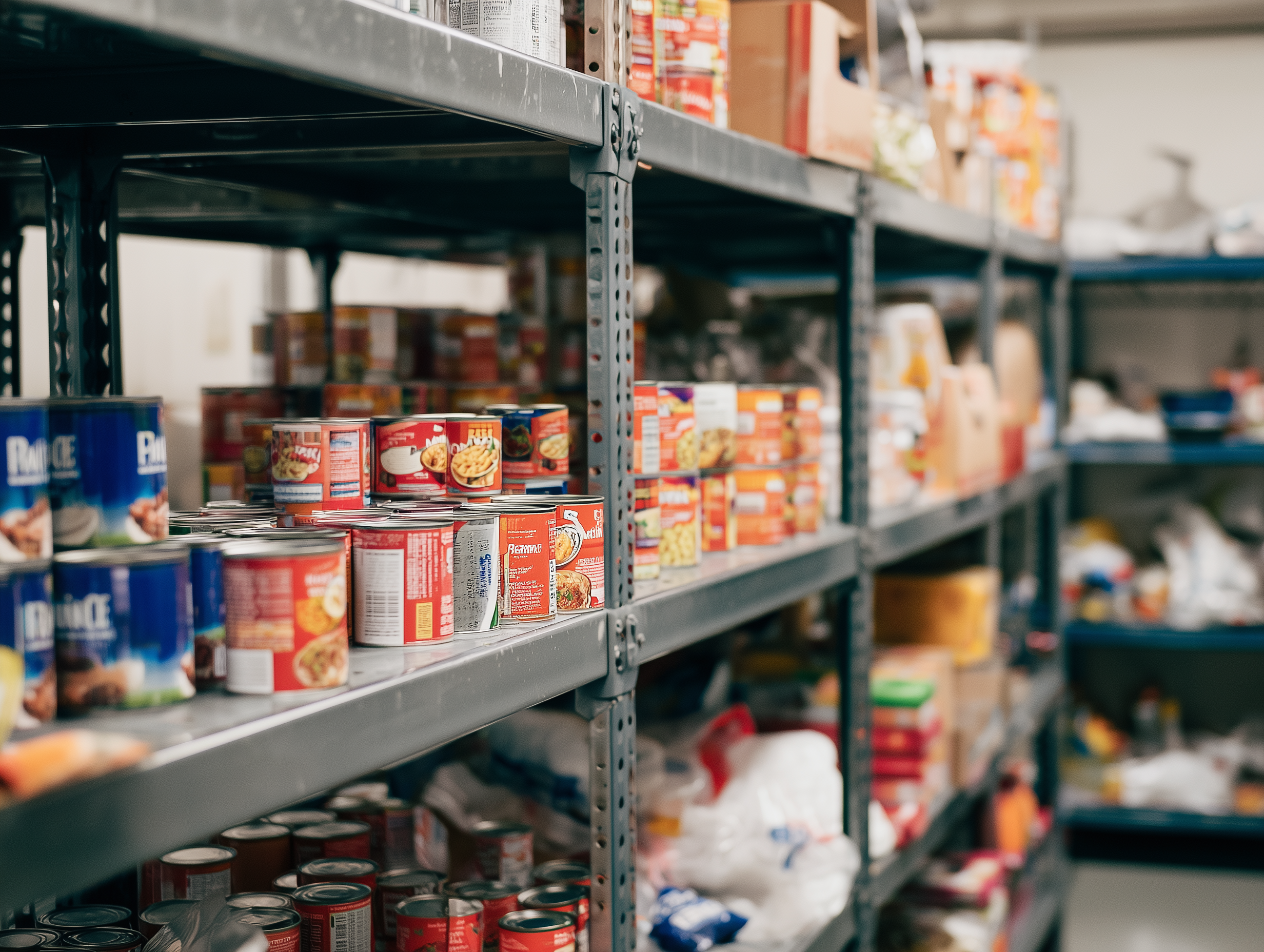
How to Keep Everything Organized
The key is maintenance. Organizing once and forgetting about it is a recipe for chaos.
Label each container with what’s inside and the last time you checked it.
Add expiration dates for food and batteries.
Create zones by grouping similar items together. Food in one tub, first aid in another, tools in a third.
Keep a simple inventory on your phone or taped inside the lid of your main container. Update it when you use or replace something.
It’s also important to think about the location where you keep your supplies. This matters just as much as how you pack them.
Don’t put everything in a basement that floods. Don’t stash food in a hot garage or attic. And don’t hide your kit so well that nobody in your family can find it in an emergency.
The best spots are closets or pantries that are cool, dry, and easy to reach in the dark.
Quick Hacks That Actually Help
Here are a few things to consider when storing your supplies:
- Freezer bags add a layer of moisture protection
- Vacuum-sealed bags keep clothes and blankets compact and clean
- Small bins inside larger tubs prevent the dreaded pile-up where everything sinks to the bottom
Getting organized doesn’t mean spending hundreds of dollars. Start with one container and expand from there. Trust me, your future self will be grateful when you actually know where everything is.
Want the full breakdown of how to build and maintain a complete emergency kit?
Check out my complete emergency preparedness guide.