We may earn money or products from the companies mentioned in this post, but this does NOT cost you anything extra! Check out my full disclosure for more info.
There is a special kind of freedom in heading out alone. No schedules. No small talk. Just you, your gear, and the quiet clarity that only solo camping can bring.
It is peaceful, empowering, and yeah, occasionally frustrating when your tent stakes do not cooperate.
Whether you are planning your first solo trip or fine-tuning your car camping setup, we’ve got you covered. From smart gear picks to staying safe and organized, you will find real-world tips to help you build a setup that actually works.
If you have been dreaming about an off-grid escape but are not sure where to start, this is it.
Take it from the top or jump ahead to the section that catches your eye.
Start with the Right Gear
When you are camping solo, your gear does not just help; it matters. There is no backup lighter, no extra hands, and no sharing the load.

Everything you bring needs to earn its place. Pack smart, pack light, and pack like someone who knows what they are doing, even if it is your first time out.
Here is a short solo camping gear checklist to get you going:
- Sleeping pad or air mattress that will not wreck your back
- Tent that is quick to pitch and can handle real weather
- Water system, whether it is a filter, purifier, or a stack of jugs
- Sleeping bag or quilt rated for the lowest temps you expect
- Compact stove with fuel that actually works
- Food storage container or bear-safe box
- Lightweight chair or ground pad
- First aid kit and basic repair tools
- Headlamp with spare batteries
- Power bank or solar charger
- A multitool you trust
When it comes to shelter, look for the best solo camping tents that balance weight, space, and ease of use. Freestanding tents are quick to set up, even if the wind picks up.
A one-person tent keeps it tight and tidy, but I tend to go for a two-person tent because it gives you room to spread out without going overboard.
If you are aiming for a minimalist solo camping setup, think multipurpose. A pot that doubles as your bowl, a down quilt instead of a full sleeping bag, and a backpack that can hold your whole system.
The goal is to cut bulk without cutting comfort. Being efficient does not mean you need to suffer.
Once you find your rhythm, your gear list stops feeling like a checklist and starts feeling like second nature.
Feeling unsure if you’ve got everything covered?
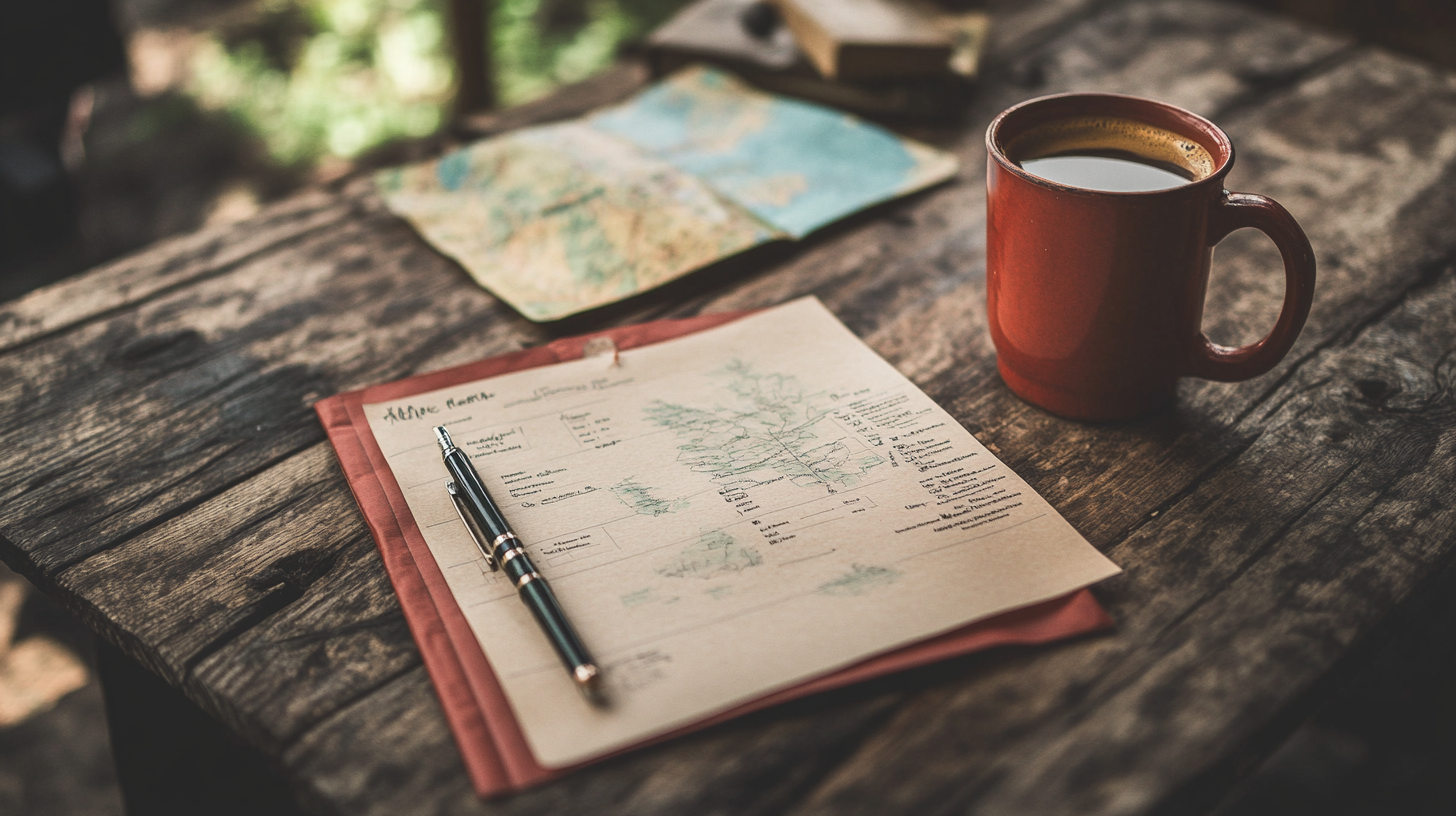
Grab my free Solo Camping Checklist and take the guesswork out of packing.
It covers the must-haves, the nice-to-haves, and the stuff you’ll only forget once.
Organize Your Camp Like a Legend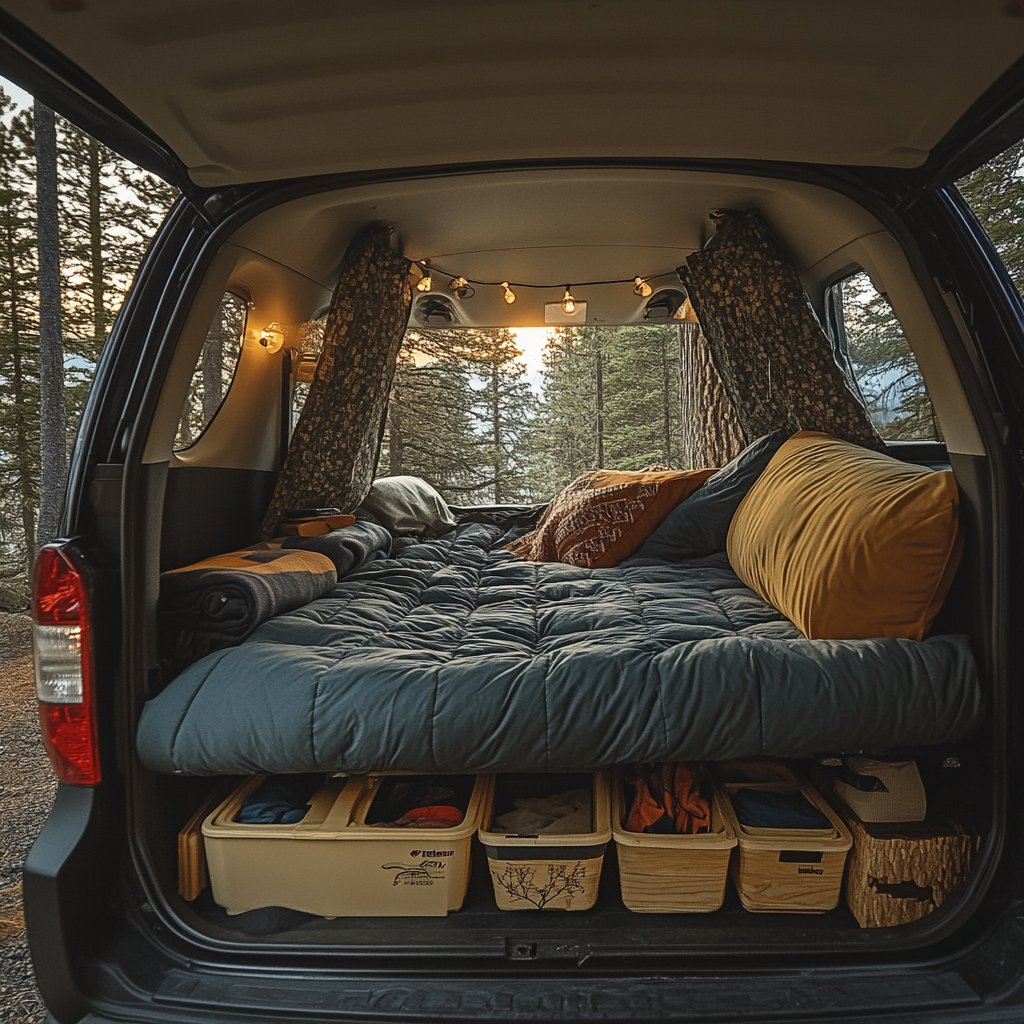
A solid solo camping setup is not just about what you pack. It is about where it all goes once you are out there. When your bedroom, kitchen, and gear locker fit into a single pack or vehicle, a little organization makes a big difference.
Chaos might work in action movies, but not in your camp.
Whether you are in a tent or working with a solo car camping setup, build your layout around how you actually move through the day.
Remember to keep the essentials easy to reach and stash the backups out of the way.
Here are a few car camping organization tips that keep things smooth:
- Pack a folding table so you are not cooking on a rock
- Use clear bins or drawers to separate food, kitchen gear, and tools
- Create zones, such as one for sleeping, one for gear, and one for cooking
- Store your go-to items like a headlamp or multitool in a pouch near your bed
- Toss down a small mat or towel at the entry to keep dirt out of your sleeping space
For tent setups, you want to start with where you’ll be setting up. Find flat ground, aim your tent door toward a good view or easy access, and keep your cook area a safe distance away.
A small tarp or ground sheet gives you a clean space to sit, organize gear, or stretch out.
One of the big advantages of solo camping is that no one is stepping over your stuff. So take your time setting things up in a way that works for you.
Think of it less like camping and more like building a tiny temporary home. Only this one comes with better views and fewer interruptions.
Eat, Cook, and Store Food Without a Hassle
Camping meals do not need to be fancy. They just need to be fast, easy, and not attract unwanted dinner guests. Keep it simple, safe, and satisfying.
For cooking gear, go compact. A small stove, one pot, a spork, and maybe a decent knife are all you really need. If you are car camping, toss in a cooler or dry box, a cutting board, and a spice or two to level up.
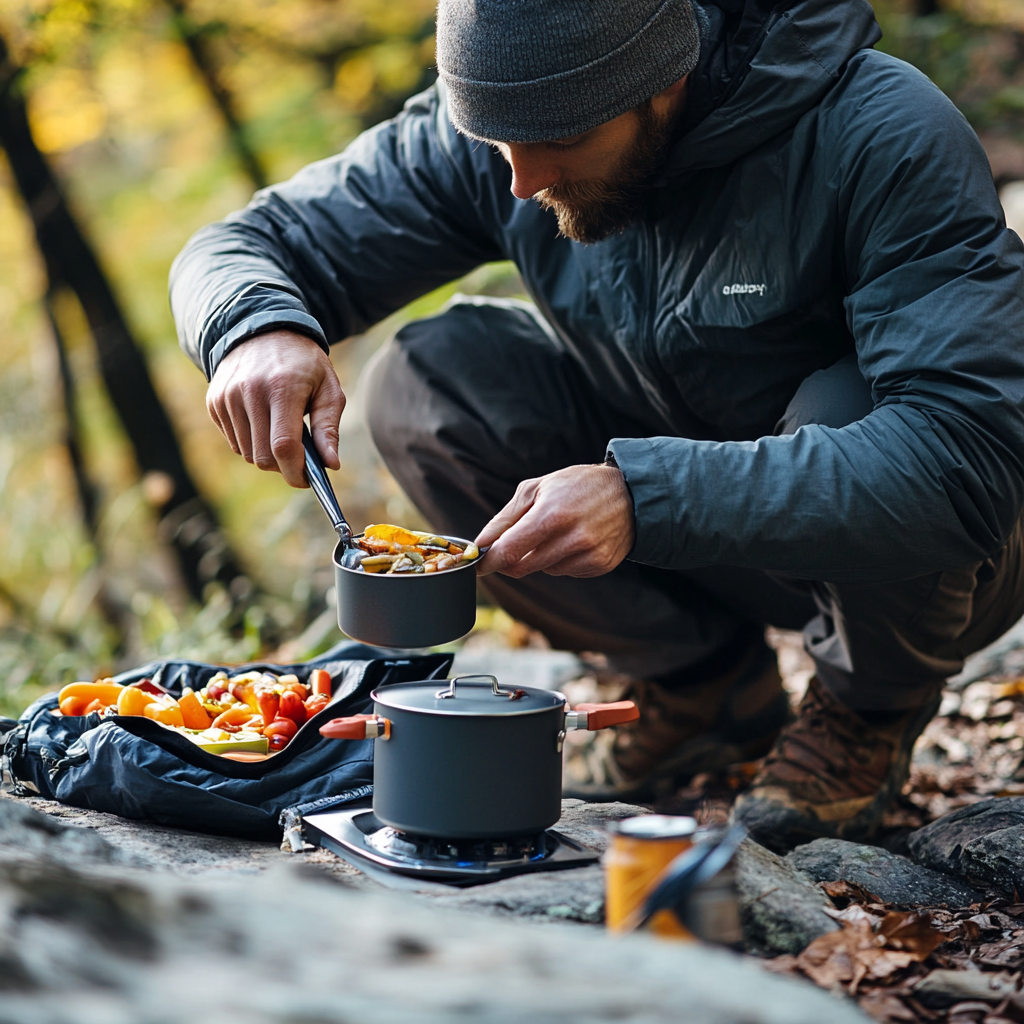
Now for the good part. Easy solo meals that do not require a bonfire:
- Ramen with added veggies and a boiled egg
- Wraps with peanut butter, tuna, or hummus
- Overnight oats or granola with powdered milk
- Dehydrated backpacking meals that just need boiling water
- Instant rice or couscous with a pouch of pre-cooked protein
The less you prep at camp, the more time you have to kick back and enjoy the view.
Food storage matters, too. In bear country, use a bear canister or hang your food well away from camp. Everywhere else, a hard cooler with a latch usually works fine. Group all scented items together — food, trash, soap, and even toothpaste.
Critters love chaos. Do not give them any.
For solo car camping setups, you can stash your food bin in the back before bed, or tie it to a nearby tree if you are in bear territory. I usually have my Yeti and keep it outside the rig at night to free up space, but only when it is safe to do so.
The key I have found is to keep your meals simple and your food stored smart, so you spend less time worrying and more time enjoying your solo escape. And that is the whole point, right?
Stay Safe and Sleep Well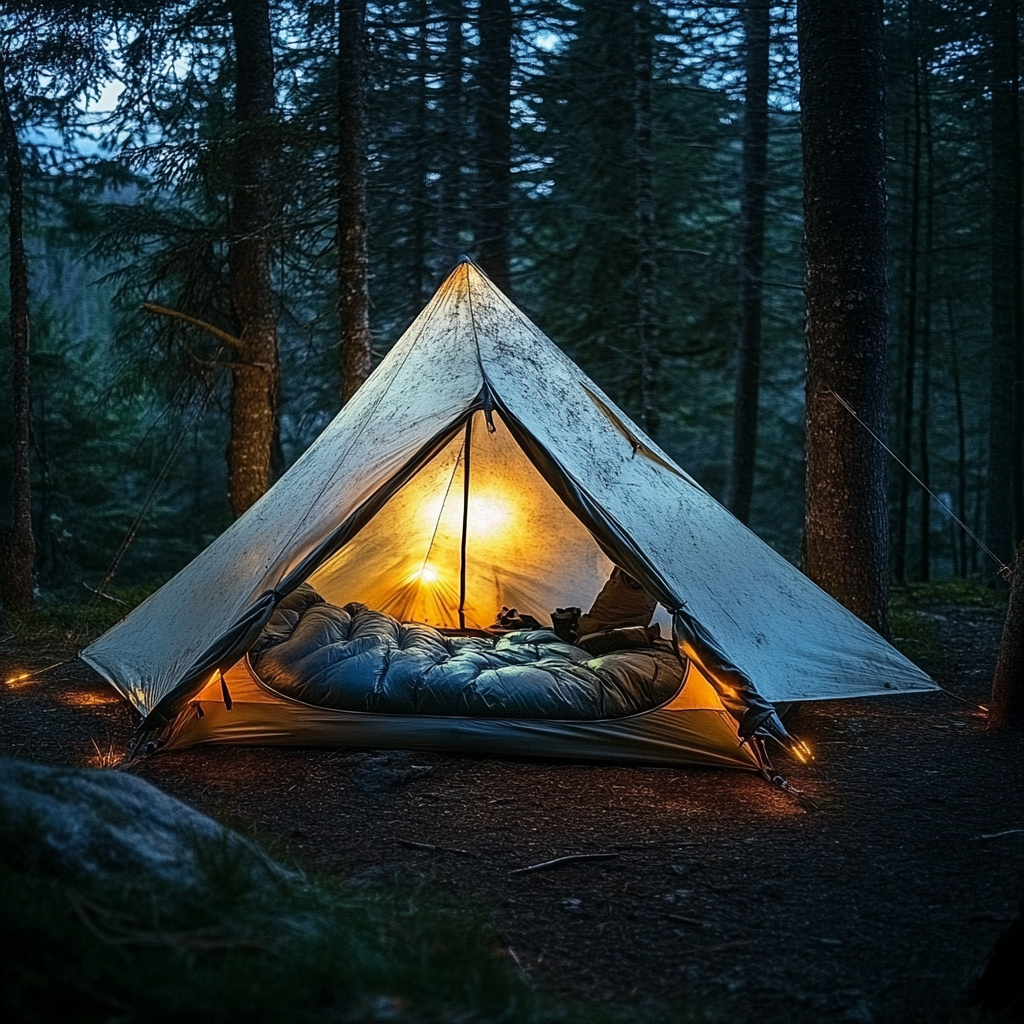
Solo camping gives you total freedom, but that also means every decision is on you. Safety and sleep go hand in hand. If you are lying awake wondering what that noise was, you are not getting the rest you need.
Start by choosing a smart site. Look for flat, dry ground away from dead branches, animal trails, or sketchy road pull-offs.
If you are in a campground, go for a spot that is private but not completely hidden.
Always trust your gut. If something feels off, move on!
Here are a few camping safety tips that actually help:
- Carry a first aid kit you know how to use
- Keep a GPS device, map, or offline navigation app handy
- Always tell someone where you are going and when you plan to be back
- Bring a whistle, pepper spray, or other basic deterrent if it helps you feel secure
- Keep a headlamp and shoes by your sleeping bag in case you need to get up quickly at night
I’ve mentioned this before, but sleep is not about fancy gear. It is about knowing what works for you.
A dry change of clothes, a warm hat, and decent airflow can make all the difference. Small details like that go a long way toward getting real rest at camp.
Need ideas on where to camp?
This post has a few spots worth checking out!
Power and Cleanliness in the Wild
Going off-grid does not mean your phone becomes useless. Whether you are snapping photos, checking maps, or just keeping a lifeline open, power still matters. So does staying clean and managing your waste.
These things may not be flashy, but they make a big difference when you are out there solo.
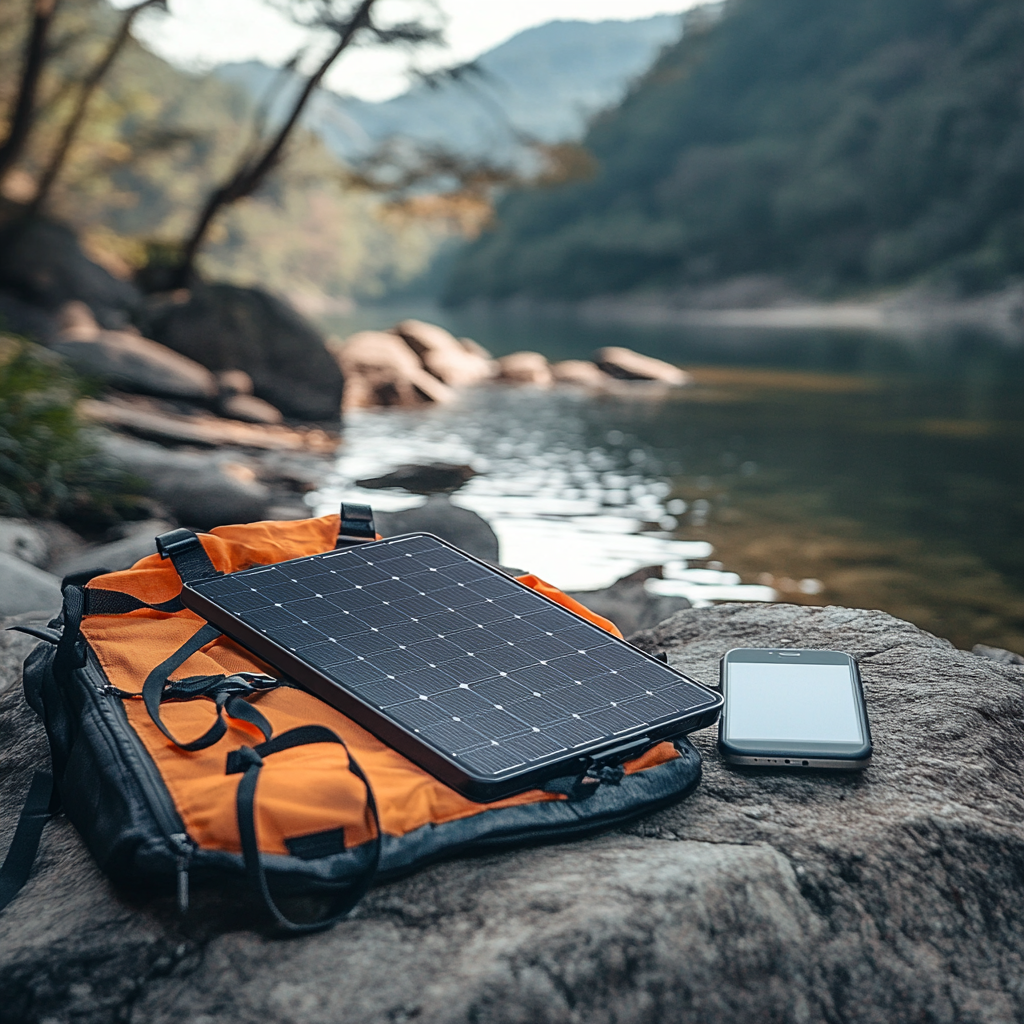
Let’s start with keeping your devices alive. The easiest solution is a portable power bank. One good charge can keep your phone going for a few days if you are not streaming movies from your hammock.
Just remember, if you don’t have reception to put your phone in airplane mode!
If you are out longer, a foldable solar panel can recharge your gear while you hike, read, or sip coffee in the sun. Just position it where it gets full light, and you are set.
Now let’s talk about the less glamorous side of solo camping. Hygiene and waste. It is not complicated, but it is important. Pack a small toiletry kit with unscented soap, a toothbrush, biodegradable wipes, and some kind of quick-dry towel.
A little cleanup goes a long way when there is no one else around to tell you that you smell like campfire and effort.
For bathroom needs, you have a couple of options. If you are in a place with vault toilets or facilities, great. If not, bring a trowel, dig a cat hole six to eight inches deep, and pack out your toilet paper in a sealed bag.
There are also portable toilet setups if you want more comfort. Whatever you choose, keep it away from water sources and trails.
Trash? Pack out everything! Even the tiny stuff. No one wants to find your granola bar wrapper blowing through the trees.
A simple zip-top bag or small trash can with a lid works fine.
Staying charged and staying clean may not be the most exciting parts of your setup, but they are the details that keep things running smoothly. And when you are solo, smooth is the name of the game.
Your Solo Escape Starts Here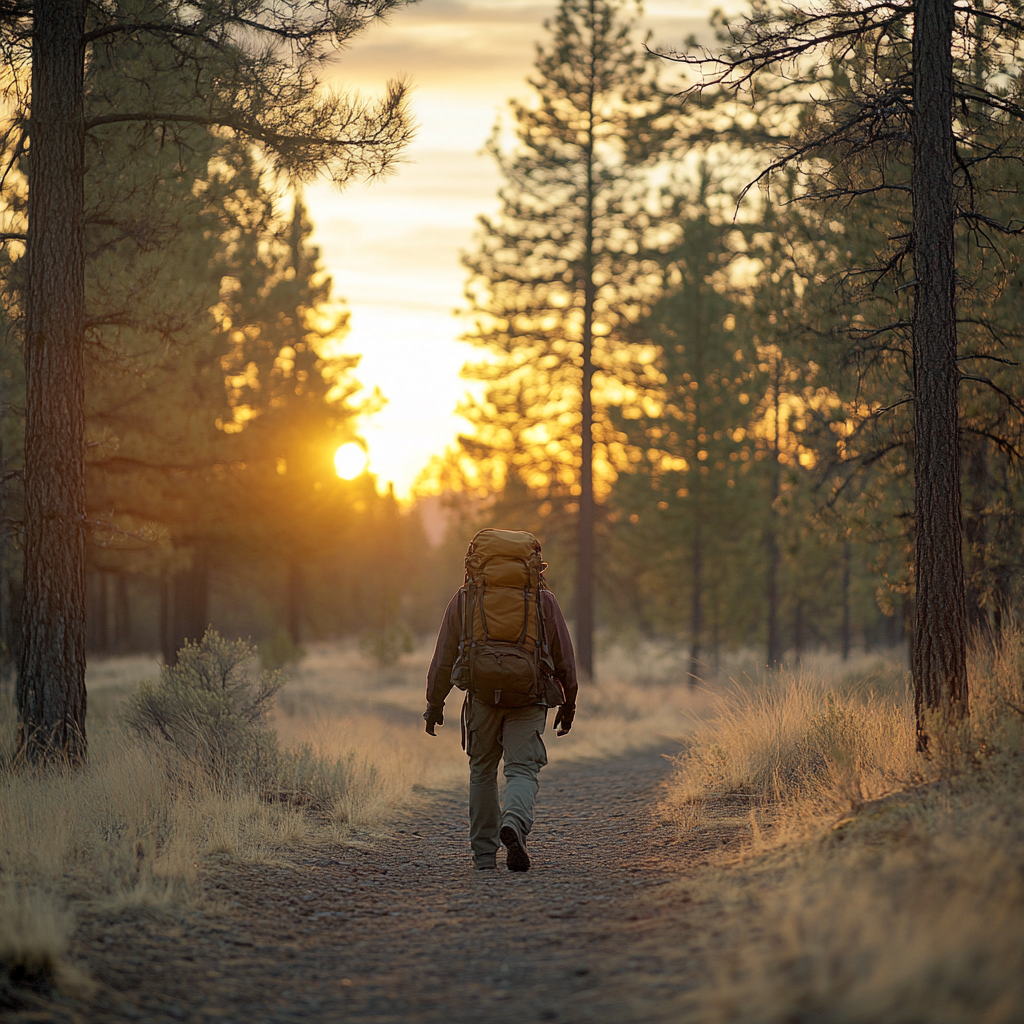
Solo camping is not about survival tricks or turning your weekend into a wilderness episode.
It is about unplugging, resetting, and doing something for yourself.
Whether it is one night in a nearby forest or a longer off-grid trip, the right setup makes it all smoother.
We have covered a lot. From smart gear picks and efficient layouts to simple meals, safety, and staying clean out there.
Hopefully, it all feels a little more doable now.
If you are just starting out, take it slow. Try one night close to home or pick a spot with a few comforts while you get the feel for it.
Even a short solo trip can build your confidence and remind you why getting outside on your own is worth it.
Solo camping is peaceful, empowering, and yes, sometimes a little weird in the best way. Once you get the hang of it, you may not want to go back.
Got your own solo camping setup dialed in? Share your tips in the comments or tag me on social. I would love to see how you are making the most of your own solo escape.
Want to make sure you have everything you need before you head out?
Grab my free Solo Camping Checklist and take the guesswork out of your setup.
It is packed with essentials, smart extras, and the little things most people forget until they are miles from the nearest store.