We may earn money or products from the companies mentioned in this post, but this does NOT cost you anything extra! Check out my full disclosure for more info.
Preparedness is more than gear. It’s a way of thinking that helps you handle uncertainty, stay calm under pressure, and respond effectively when life veers off course.
You don’t need to live in fear or expect the worst every day. You need awareness, confidence, and adaptability that carry you through a flat tire, a sudden storm, or something more serious.
From my years in law enforcement and a lifetime of outdoor experience, I’ve seen firsthand that the people who handle emergencies best aren’t always the ones with the biggest packs or the most gadgets.
They’re the ones who stay clear-headed, trust their instincts, and know how to work the problem.
This mindset applies to more than emergencies. It improves your time outdoors, sharpens your awareness in everyday life, and builds a kind of resilience that sticks with you through all of life’s unexpected turns.
It’s a skill set you carry everywhere, and it makes you better prepared without adding weight to your pack or stress to your day.
Short on Time?
If you’re skimming, here’s what this post covers and who it’s for:
- You want to improve decision-making under pressure
- You’re looking to build real-world awareness without fear or paranoia
- You care more about mindset and skills than hoarding gear
- You’ve handled stress poorly in the past and want better tools
- You want your outdoor, urban, and everyday life to feel more grounded and prepared
Be ready because you’re going to hear a lot about situational awareness and decision-making in this post. They matter, and I want you ready for them.
Jump to a section that matters most, or start from the beginning and build your foundation step by step.

How Awareness Prevents Problems
Situational awareness is the core of a prepared mindset. Most emergencies offer quiet warning signs before they escalate, but only if you’re paying attention.
A driver who hears a strange sound might get a repair before a full breakdown. A hiker who notices wind shifts and cloud buildup can reach shelter before the storm hits.
This kind of awareness is not about fear or paranoia. It is about being observant and understanding what normal looks like in a given space. When you know what is typical, anything out of place becomes easier to notice and respond to quickly.
Building Environmental Awareness
Start with the basics.
- For me, I still look for exits when entering a building or room.
- When outdoors, start paying attention to seasonal changes and weather patterns.
- Notice regular traffic flow on your daily routes and know of the alternate paths.
For a fun game, you can try simple observation drills to build your skills.
Count how many people are wearing blue shirts in a crowd. Look for changes in familiar architecture. Listen to the background noise and pick out specific sounds.
Might seem lame, but these habits train your brain to take in useful details without feeling overwhelmed.
Recognizing Social Patterns
People are usually predictable.
When social patterns shift suddenly, it can mean something is wrong. A crowd that moves normally one moment and scatters the next is worth noticing. Someone acting strangely in a familiar environment might be in distress or about to cause a disruption.
Reading social patterns does not mean assuming the worst. It means noticing the energy in a room, tracking group behavior, and understanding basic body language.
These skills can keep you ahead of trouble before it becomes a real threat.
Understanding System Weak Points
We rely on systems every day. Power, transportation, communications, and supply chains all connect in ways most people never think about.
When one system goes down, others can follow quickly. A small outage can ripple into bigger problems.
Just think about how crazy it was to buy toilet paper a few years ago!
You do not need to be an expert to think through how disruptions might affect your day.
If the internet goes out, do you know another way to access information?
If your local grocery store closes suddenly, do you have backup food options?
Thinking through these questions builds confidence and keeps you ready for the unexpected.
Professional Techniques for Staying Alert
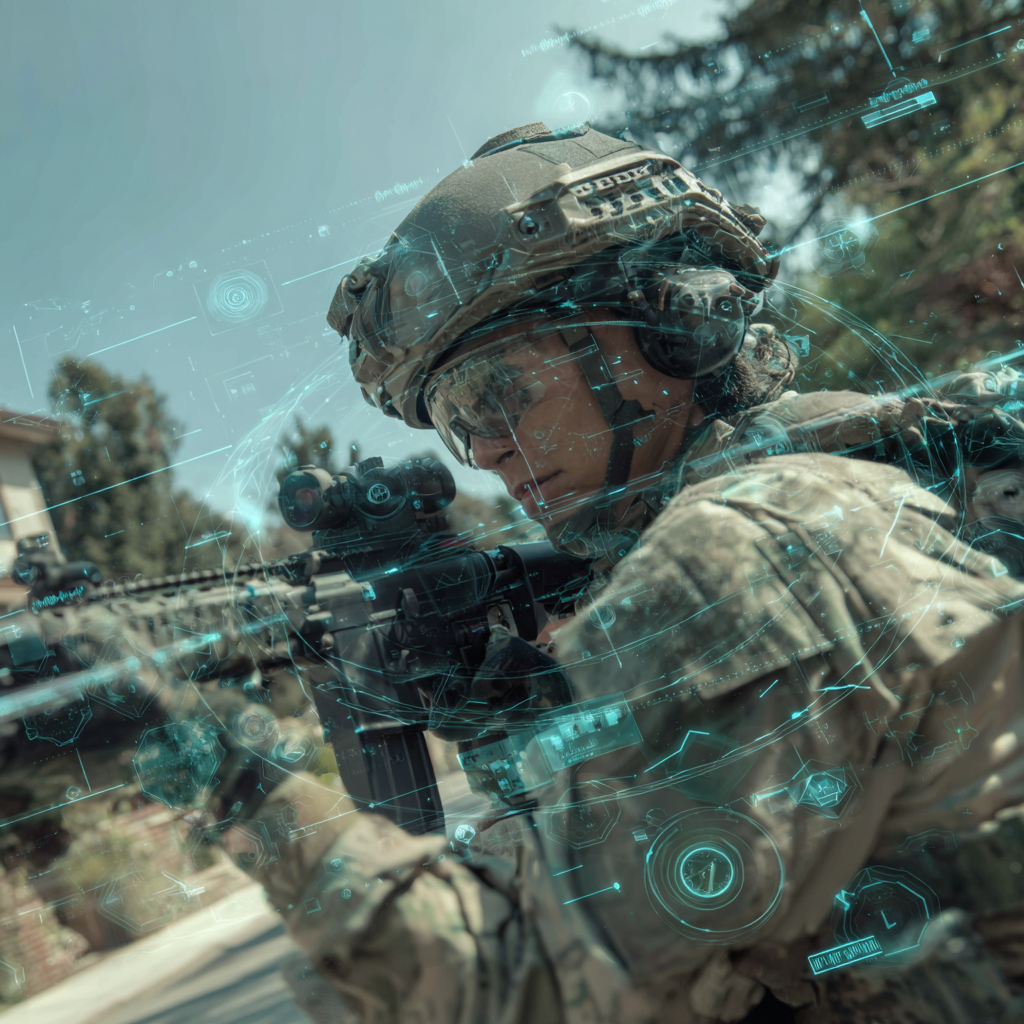
It still surprises me how many skills I picked up in law enforcement that I use every day. Friends who served in the military often say the same. Sure, the jobs are different, but there is plenty of overlap.
Some of those techniques are easy to adapt to daily life. They keep you sharp, focused, and aware without running you into the ground.
The OODA Loop
The OODA loop stands for Observe, Orient, Decide, and Act.
It is a decision-making cycle designed for high-pressure environments and works just as well for everyday choices. Use it when navigating traffic delays, adjusting to changing weather while outdoors, or responding to unexpected events.
The structure keeps your thinking clear and focused.
If you want to dig in a little more, this video breaks it down very well.
Color Codes for Awareness
Awareness levels can be thought of as colors.
- White means fully relaxed in safe places
- Yellow is relaxed alertness, useful in public or unfamiliar spaces
- Orange signals something needs attention
- Red is full alert during active emergencies.
Using this system helps match your energy to your environment so you’re not drained by unnecessary worry.
Recognizing Normal
Every place has a baseline for what normal looks and feels like.
Learn the usual traffic flow on your commute, the mood of a typical crowd, and the rhythm of local weather. When something shifts from that norm, your brain catches the change faster and more accurately.
Assessing Risk Objectively
Assess situations based on behavior and context rather than appearance.
Look at what people are doing, not who they are. Capability and intent matter more than assumptions. This helps you stay grounded, make better decisions, and avoid both panic and bias.
Urban Safety Techniques
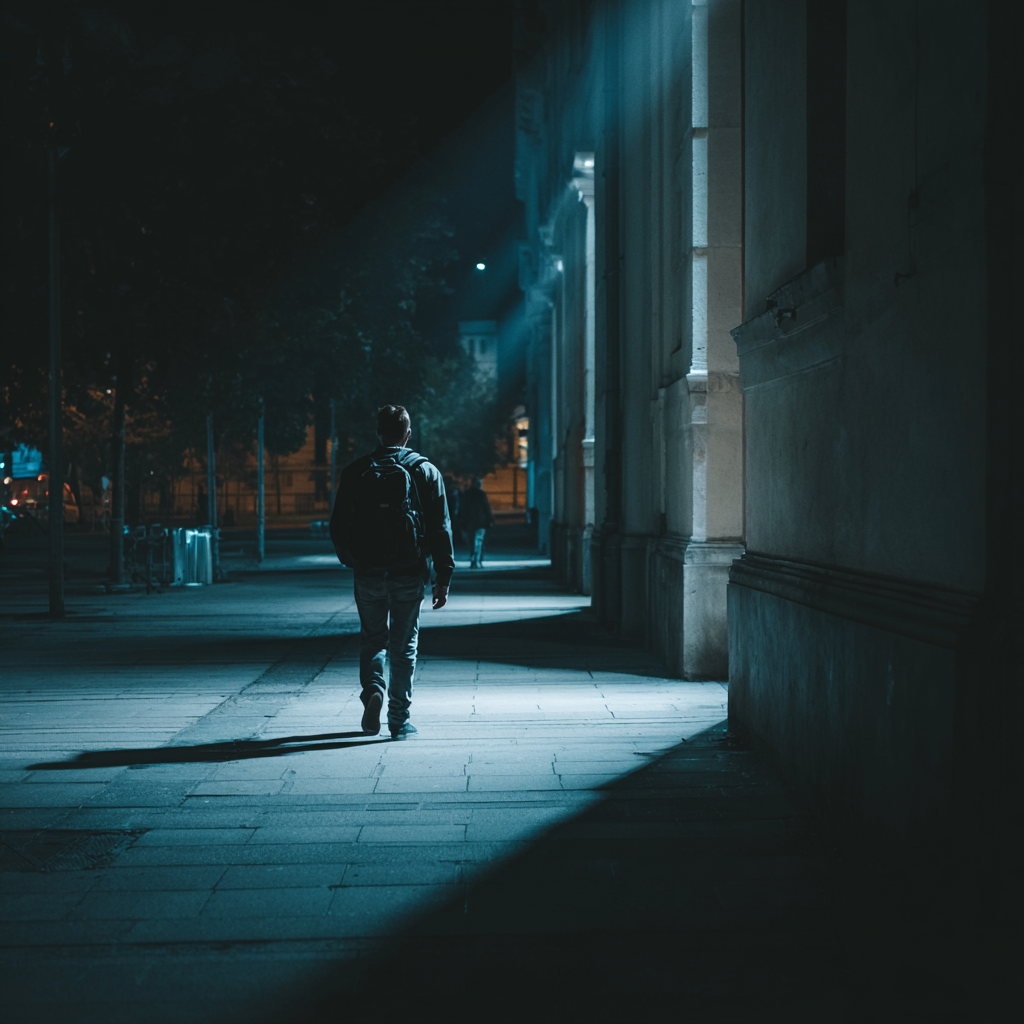
Urban environments present unique challenges and opportunities for preparedness-minded individuals.
It’s the number of people who can create both security and anonymity. Infrastructure provides resources but also creates dependencies.
Understanding how to navigate urban environments safely and effectively forms an important part of everyday preparedness.
The Gray Man Approach
The gray man concept involves blending into your environment without drawing unnecessary attention.
This doesn’t mean being invisible or paranoid; it means avoiding behaviors, clothing, or actions that make you stand out as either a target or a threat.
Dress appropriately for your environment and activities. I’ve found this is very important if you are traveling to other countries.
Also, avoid displaying expensive items unnecessarily. Move with purpose and confidence without appearing aggressive or suspicious.
The goal is to appear like you belong while maintaining your ability to observe and respond to changing conditions.
Route Planning and Alternatives
Urban travel becomes more predictable when you understand multiple routes between frequent destinations.
This knowledge helps you avoid problems, reduce travel time, and maintain mobility when primary routes become unavailable.
Develop familiarity with alternate routes for your regular travels. Understand public transportation options even if you normally drive. Know where essential services like hospitals, police stations, and emergency services are located relative to areas you frequent.
Public Space Navigation
Large crowds, public events, and busy urban areas require different awareness and movement strategies than quiet residential areas.
Understanding crowd dynamics, identifying exit routes, and positioning yourself advantageously become important skills.
Practice moving efficiently through crowded spaces without pushing or creating conflicts.
Learn to identify exit routes and safe areas when entering unfamiliar buildings or attending large events. Understand how to position yourself to observe your environment while maintaining mobility.
Emergency Communication in Urban Areas
Urban emergencies often overwhelm communication systems as large numbers of people try to contact family and emergency services simultaneously.
Having multiple communication options and understanding priority systems helps maintain contact when primary systems fail.
Understand how emergency communication systems work in your area. Know when to use text messages instead of phone calls during emergencies. Consider alternative communication methods like social media check-ins or messaging apps that work over wifi.

De-escalation Skills That Actually Work
Emergencies are not always about storms or equipment failures.
Sometimes they begin with people. Knowing how to calm a tense situation is one of the most underrated and powerful preparedness skills you can have.
Calm Communication
Verbal de-escalation is not about winning. It is about lowering the heat so everyone can think clearly. Use calm, respectful language even when someone else is emotional. Let them speak.
Listen with the goal of understanding, not just waiting for your turn to respond.
Avoid words that push buttons. Skip blame, sarcasm, and threats. Use phrases that show empathy, offer options, and guide the conversation toward a peaceful outcome.
Nonverbal Cues Matter
Your posture says more than your words. Keep a relaxed stance. Let your hands stay open and visible. Stand where you are not crowding anyone and where you can move freely if needed.
Body language should show calm and control, not tension. The wrong posture can make even the right words sound aggressive.
Staying Grounded Under Pressure
Your calm is contagious. Breathe deep. Focus on staying steady.
Practice this in everyday life so it becomes second nature when stress levels rise. A steady voice and presence can be more disarming than anything you say.
Walk Away When Needed
Sometimes the best option is to leave. You are not giving up. You are making a smart choice to avoid unnecessary risk. Know how to exit safely, and when stepping away is the wiser move.
Not every situation needs to be solved in the moment. Walking away protects your safety and gives you the space to return with a clearer mind and better options.
Decision Making When It Matters Most
Emergencies compress time and stretch nerves.
With practice, they come from habits, systems, and preparation.
Handling Stress Responses
Your body reacts to stress before your brain catches up.
Heart rate spikes. Breathing changes. Vision narrows.
These reactions are natural, but they can cloud judgment if unchecked.
Learn to recognize when stress is taking over. Physical training, outdoor challenges, and scenario-based practice help you build tolerance and keep thinking clearly when it counts.
Making Sense with Limited Information
Emergencies rarely give you all the facts. You will often have to act with gaps in knowledge and little time to decide.
That is why decision-making systems are valuable. Use mental checklists, simple decision trees, and proven frameworks. Practice them in normal life so they are automatic when stress hits.
Weighing Risks Wisely
Every choice comes with risks.
The goal is not to eliminate risk but to choose the option with acceptable consequences.
Get comfortable acting without perfect clarity. Make the best choice with the information you have, and stay open to changing course as new facts appear.
Working with Others Under Pressure
Most emergencies involve more than one person. Group decision-making gets harder under stress unless someone steps up to lead or coordinate.
Practice clear communication and shared planning. Know how to lead when needed, when to support others, and how to move a group toward action without wasting time in debate.
Building Mental Resilience
Resilience is your ability to recover from setbacks, adjust to new challenges, and keep functioning even when things get tough.
This mental and emotional strength reinforces every part of your preparedness plan and gives you the clarity to bounce back after emergencies.
Stress Inoculation Practice
Building tolerance for stress does not require putting yourself in dangerous situations.
It starts by tackling challenges that are difficult but manageable. Try new outdoor activities, take on unfamiliar tasks, and stretch your comfort zone at a steady pace.
Success in these smaller moments builds confidence for bigger ones. You learn to stay calm, think clearly, and respond instead of react when stress levels rise.
Developing Adaptability
Being flexible in your thinking helps you solve problems when plans fall apart. When you learn to approach obstacles from different angles, you build a mindset that looks for options instead of roadblocks.
Traveling to new places, exploring unfamiliar environments, and experimenting with new skills teaches you to adjust quickly. Those adjustments are exactly what you will need when plans fail in the real world.
Strengthening Your Support Network
Community support can be just as critical as personal preparation. Strong relationships with friends, family, and neighbors create both emotional support and practical help when things go wrong.
Build those connections now. Be someone others can count on and allow others to show up for you. The help you give today often circles back when you need it most.
Finding Purpose in the Process
Clarity of values makes tough decisions easier. When you know what matters most, you have a compass for difficult times. It also keeps you grounded when emergencies disrupt your routine.
Reflect often on what drives you. Align your preparedness efforts with those values so they strengthen not just your safety but your sense of meaning as well.
Enjoying this guide?
Fuel the Adventure and help keep them coming.

The Mindset That Ties It All Together
Everyday preparedness is not about fear. It is about confidence.
Over the past four weeks, we explored how to prepare your home, vehicle, outdoor adventures, and most importantly, your mindset.
Put together, these layers create a real-world foundation that helps you handle uncertainty with clarity and calm.
This mindset does not require perfection or constant vigilance. It rewards awareness, resilience, and adaptability. You do not need piles of gear or complicated systems. You need habits that make sense for your lifestyle and decisions guided by your values and real risks.
Preparedness should support your life, not take it over.
Think of this series as your launch point.
You now have the tools and frameworks to build capability in daily life. With awareness and intention, your skills and confidence will keep growing through regular experiences.
Want everything in one place?
The Quick Guide to Practical Preparedness pulls together the essentials from this series into a streamlined, no-fluff resource.
Inside you’ll find checklists, gear suggestions, and practical tips to build real-world readiness without overcomplicating your life.
Grab your FREE Copy Here by entering your email, and I’ll send it straight to your inbox.
Until then, stay curious. Share your experiences. And keep building a life that is prepared, resilient, and ready for whatever comes next.