We may earn money or products from the companies mentioned in this post, but this does NOT cost you anything extra! Check out my full disclosure for more info.
You smell smoke. Sirens are getting louder.
You’ve got a few minutes to grab what matters and get out the door. That’s not the time to wonder where your medication is or if the batteries in your flashlight are still good.
This is where most people find out their emergency bags are useless.
Not because they didn’t pack enough stuff. But because everything is buried in one giant mess.
Bandages shoved next to canned food. Flashlights tangled in old phone cords. Important papers stuck between mystery snacks and a half-used roll of duct tape.
Every Second Counts
When every second counts, digging through a junk drawer in backpack form is the last thing you want to do.
This is what led me to build a better system. One that I actually used during a wildfire evacuation. One that worked.
I call it a modular go bag. And no, this isn’t some expensive kit with a fancy name. It’s a simple way to organize what you already have so you can find it fast and carry only what you need.
Splitting Gear into Categories
Start by splitting your gear into categories. Such as:
- Documents
- Lighting
- Medical
- Water
- Food
- Tools
This list should include whatever you decide is essential should live in its own pouch. The pouches should be durable and preferably see-through. You want to know what’s inside without opening everything.
Here’s where it gets even better. Use color to your advantage. Your brain processes colors faster than it reads words, especially when you’re under stress.
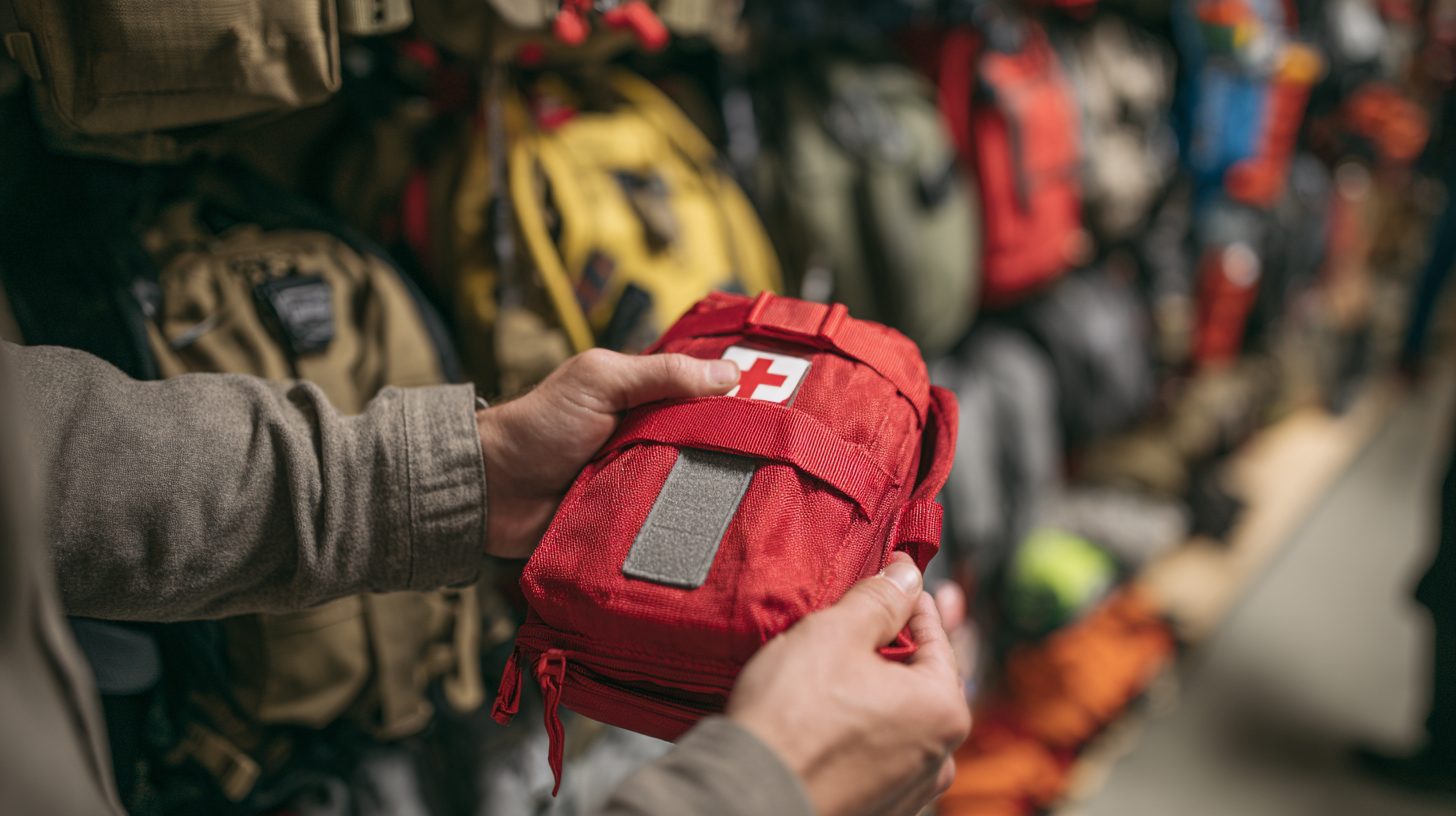
Assign a different color to each type of gear. Red for medical. Blue for water and purification. Green for food. Orange for documents. Black or gray for tools and extras.
You don’t need to memorize anything. After one or two practice rounds, you’ll reach for the right pouch without thinking. That’s the point.
Saving Yourself Time and Stress
There have been many times when I’ve had to evacuate, but I don’t panic.
I grab my bag, pull out the pouches I need, and am ready in minutes. The key is knowing exactly where all my gear is.
Such as the medical pouch, clean water, and even a water filter. Not to mention, I always keep my ID and insurance info in the same place, which, like everything else, is easy to find. I didn’t have to check batteries or dig through a pile of random gear.
Meanwhile, I saw neighbors dumping dresser drawers into trash bags.
Others had pre-packed kits but no clue what was inside or where to find anything.
It was chaos. And it wasn’t their fault. Nobody teaches you how to pack for an emergency that feels real until you live through one.
Here’s the good news. You don’t have to wait for a disaster to fix it.
You just need to start with a few pouches, label them clearly, and if possible, use colors to coordinate them.
Then run a test. Give yourself five minutes.
Can you grab your medical pouch, your documents, and your flashlight without dumping your whole bag?
If not, make adjustments now! Because the best go bag isn’t the one with the most gear. It’s the one you can actually use when it matters.
I break everything down in my full guide. You’ll see exactly what I pack, how I set it up, and what I learned from having to use it for real.
If you want to stop guessing and start feeling ready, check it out. It might be the most important bag you ever pack.