We may earn money or products from the companies mentioned in this post, but this does NOT cost you anything extra! Check out my full disclosure for more info.
I used to think I was prepared. A closet full of canned food, batteries, and emergency supplies. Everything is neatly stacked and ready.
Then the power went out one winter, and I finally checked what I had stored. Half the cans were expired. Some of the batteries were cracked and leaking.
My so-called emergency stash was mostly useless.
That was a wake-up call.
Emergency food storage isn’t about just buying things and forgetting about them. It’s about keeping supplies fresh and ready for the moment you need them.
Mistake One: Storing Food You Never Eat
This one gets everyone. People buy foods they don’t normally eat. Lima beans, protein bars that taste like cardboard, mystery cans from the bargain shelf.
When the time comes, nobody in your family wants to touch them.
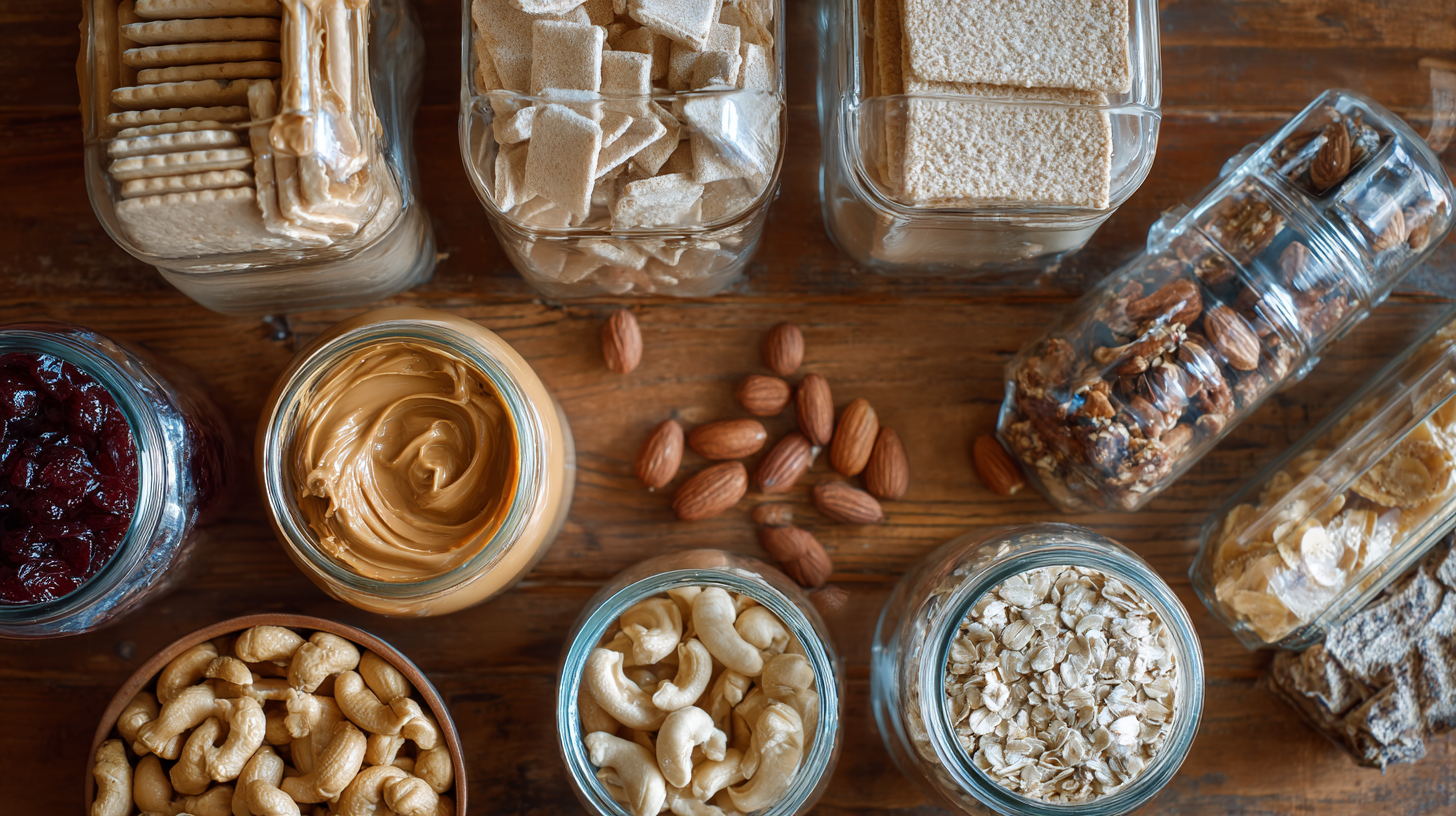
The fix is simple. Store what you already eat. Peanut butter, crackers, pasta, soup, oatmeal. If it’s a part of your normal routine, it will work in an emergency.
Mistake Two: Forgetting That Most Food Needs Water
Rice, pasta, and instant meals all need water to cook. If your water is limited, those meals become useless.
That’s why no-cook foods matter. Granola bars, canned fruit, nuts, and peanut butter don’t need water or cooking.
They’re ready the second you open them.
Mistake Three: Not Having a Way to Open Food
It sounds silly, but it happens.
Stocking up on canned food only to realize your only can opener is electric. When the power goes out, that opener is just dead weight.
Keep a manual can opener with your food. Not in a drawer across the house. With the food.
Mistake Four: Putting Everything in One Place
One flood, fire, or break-in can wipe out a single stash of food. Spread it around.
Keep some at home, some in your car, maybe a little at work. That way, if you lose one supply, you’re not starting from zero.
Mistake Five: Set It and Forget It
This was my biggest mistake.
I stocked up once and left it. Years later, I had spoiled food and useless batteries.
Now I check my supplies during daylight saving time. When the clocks change, I rotate food, update the inventory, and swap smoke detector batteries at the same time.
It keeps everything fresh and ready.
The Simple System That Works
Forget survival rations you’ll never eat. Store shelf-stable versions of what you already cook. Chili, crackers, oatmeal, peanut butter, dried fruit.
The rule is easy. Store what you eat. Eat what you store. Rotate often.
Use reminders like daylight savings to stay on track.
Ready to build a food storage plan that actually works when you need it?
Check out my full Emergency Preparedness Guide here.