We may earn money or products from the companies mentioned in this post, but this does NOT cost you anything extra! Check out my full disclosure for more info.
You are deep in the woods. The sun is slipping behind the trees, your phone is gasping at four percent, and your rig just gave up with a cough that would make a dying lawnmower proud.
No service. No jump. No way out unless you came prepared.
That is the thing about car camping. It feels like freedom until something goes sideways. And when it does, you do not want to be the one standing on a remote dirt road in flip-flops, googling “emergency kit for my car” while a storm rolls in.
Whether you are chasing fall colors, camped in the high desert, or parked deep in a national forest, having an emergency kit is not just smart. It’s how you keep an adventure from turning into a survival story.
To help you with this, we are going to build a Car Emergency Kit that actually works.
We will cover the gear, the seasonal add-ons, how to organize it, and how to make it fit your trips. No panic. No drama. Just smart prep that lets you breathe easy when things get weird out there.
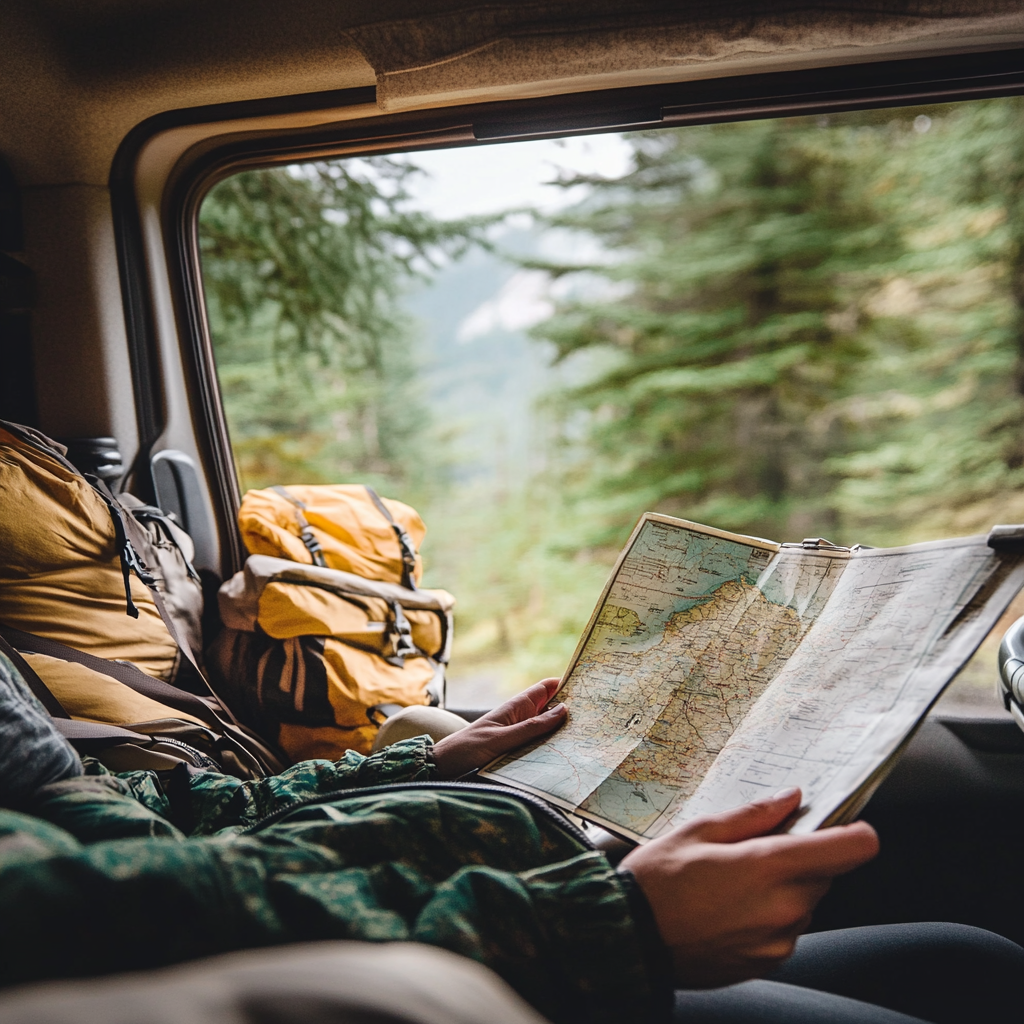
This isn’t just campfire advice.
Even the National Safety Council says you should carry an emergency kit in your vehicle.
So let’s get to building a kit that could actually saves your butt!
Short on time? Here is what you will learn:
- What a real Car Emergency Kit looks like and why it matters
- The gear every car camper should always carry
- How to build your kit without spending a fortune
- Smart ways to store your gear so you can actually find it
- How to keep your kit fresh and ready for every trip
- Where to grab a free checklist and seasonal packing guide
You can also find what you are looking for by clicking the link below to jump to a section you’re interested in:
What Is a Car Emergency Kit and Why You Actually Need One
Let’s clear something up right now. A Car Emergency Kit is not just a dusty plastic box with a few gauze pads and a whistle you do not know how to use.
It is real gear that keeps you safe, steady, and maybe even alive when things go sideways miles from the nearest cell tower or greasy burger joint.
At its core, your kit has one job. To get you through the unexpected. That might mean a dead battery, a flat tire, a washed-out forest road (has happened to me a few times), or a twisted ankle two miles from camp.
Your gear should cover the basics like survival, repair, communication, and first aid.
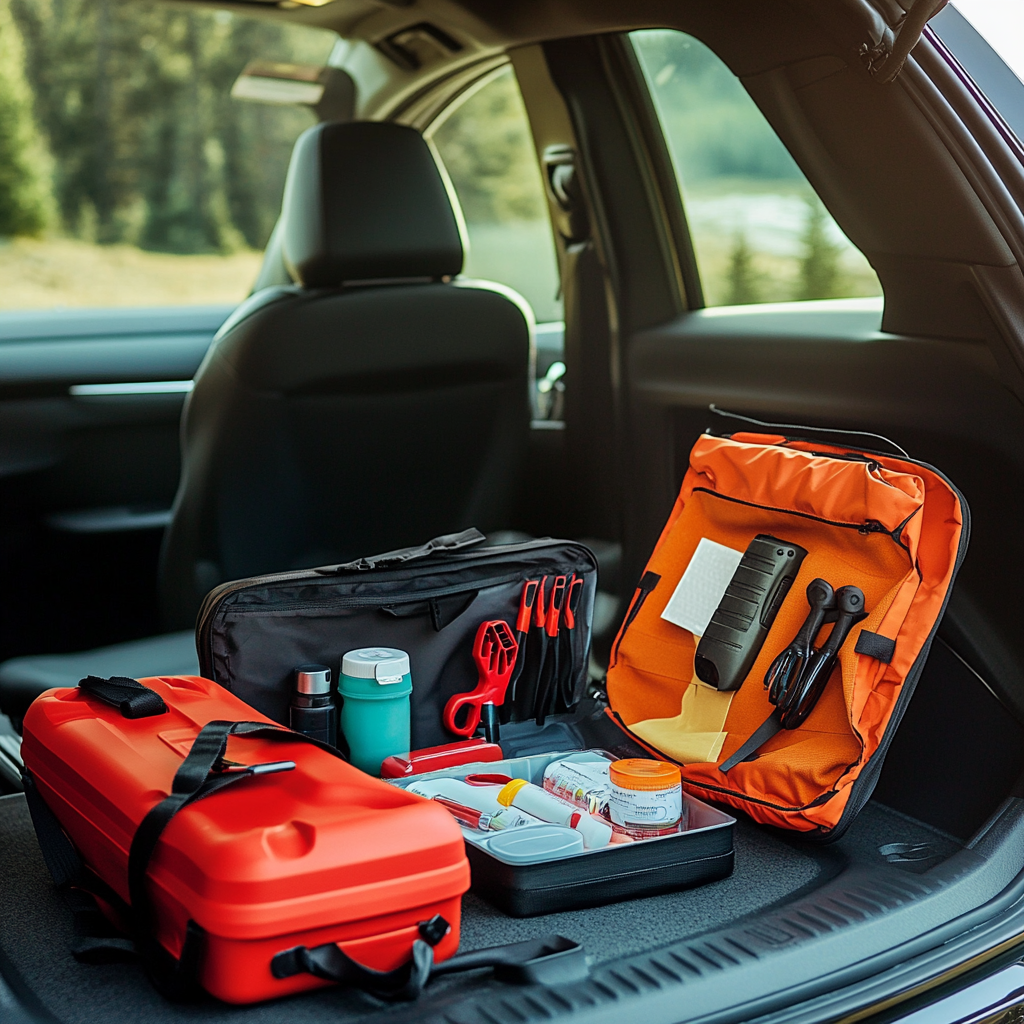
Here is where things start to branch out. Not all emergency kits are built the same. Let’s break it down.
Roadside Emergency Kit
This is the basic setup. Jumper cables. A warning triangle. Maybe a flashlight that only works when you do not need it. Good enough for a flat tire near town, but not much help in the wild.
Vehicle Survival Kit
This one steps it up. It includes food, water, blankets, and extra gear. It is built to get you through a night or longer if you are stuck or stranded. Think of it as your second camp packed inside your rig.
Car Camping Safety Gear
This is where the wild comes in. It covers wildlife, weather, and gear failures. Fire starters. Bear spray. A real first aid kit. Extra light. The stuff that helps when nature throws a punch.
So, which one do you need? Easy. All of them.
When you are car camping, your setup has to do more than fix a flat. You need gear that can handle serious situations in wild places.
That means your Car Emergency Kit becomes a blend of roadside tools, outdoor gear, and real survival basics.
Let me give you an example. I know a guy. We will call him Mike. He drove into the mountains for a solo weekend. He found an amazing quiet spot, with pine trees, a little leftover snow, and zero traffic!
Then a spring storm hit, dropped six inches of snow, and killed his battery overnight. No signal. No heat. Just silence and falling temps. Luckily, Mike had pulled together a Vehicle Survival Kit the week before after watching too many disaster videos.
Here are a few of the essentials he had with him:
- Thermal blanket
- Hand warmers
- Jump pack
- Extra food and water.
Needless to say, he stayed put, rode it out, and another camper rolled in the next day. No panic. No frostbite.
The point is simple. A bad situation is only bad if you are not ready for it.
With the right gear in your car, what could have been a disaster becomes something you manage and move on from. That is what being prepared really means. You do not need to be scared. You just need to be smart.
Want to build your emergency kit without draining your bank account?
I put together a free checklist that shows you how to pack smart, save money, and still be ready for whatever the road throws at you.
It includes budget gear suggestions, simple organization tips, and all the essentials.
Grab it right here!
Where to Stash Your Gear So You Can Actually Find It
A Car Emergency Kit only works if you can find what you need fast. That means packing with purpose, not just tossing gear into the trunk and hoping for the best.
Our goal is quick access, not chaos.
Pick the Right Storage Setup
There is no single perfect system, but here are a few ways to keep your gear together and ready to roll:
- Clear plastic totes for vehicle tools and large items
- Duffel bags or backpacks for survival gear and first aid
- Trunk organizers, if you want to keep things tidy and secure
- Small utility bags or zipper pouches for snacks, chargers, and matches
Your setup should stay put on rough roads but still be easy to move or dig through when it matters. Keep it steady, but keep it simple.
Split It by Priority
Divide your kit into two simple zones. For example, quick access gear goes up front, somewhere you can grab it fast, such as:
- A flashlight
- Your phone charger or power bank
- A multitool
- Snacks
- Your Car Camping First Aid Kit
This is the stuff you might need during a roadside issue or quick stop.
Long term gear belongs in the back of your vehicle. These are the items you need in tougher situations. Think tools, extra water, warm layers, food, and your full survival supplies. They can be out of the way, but not buried in chaos.
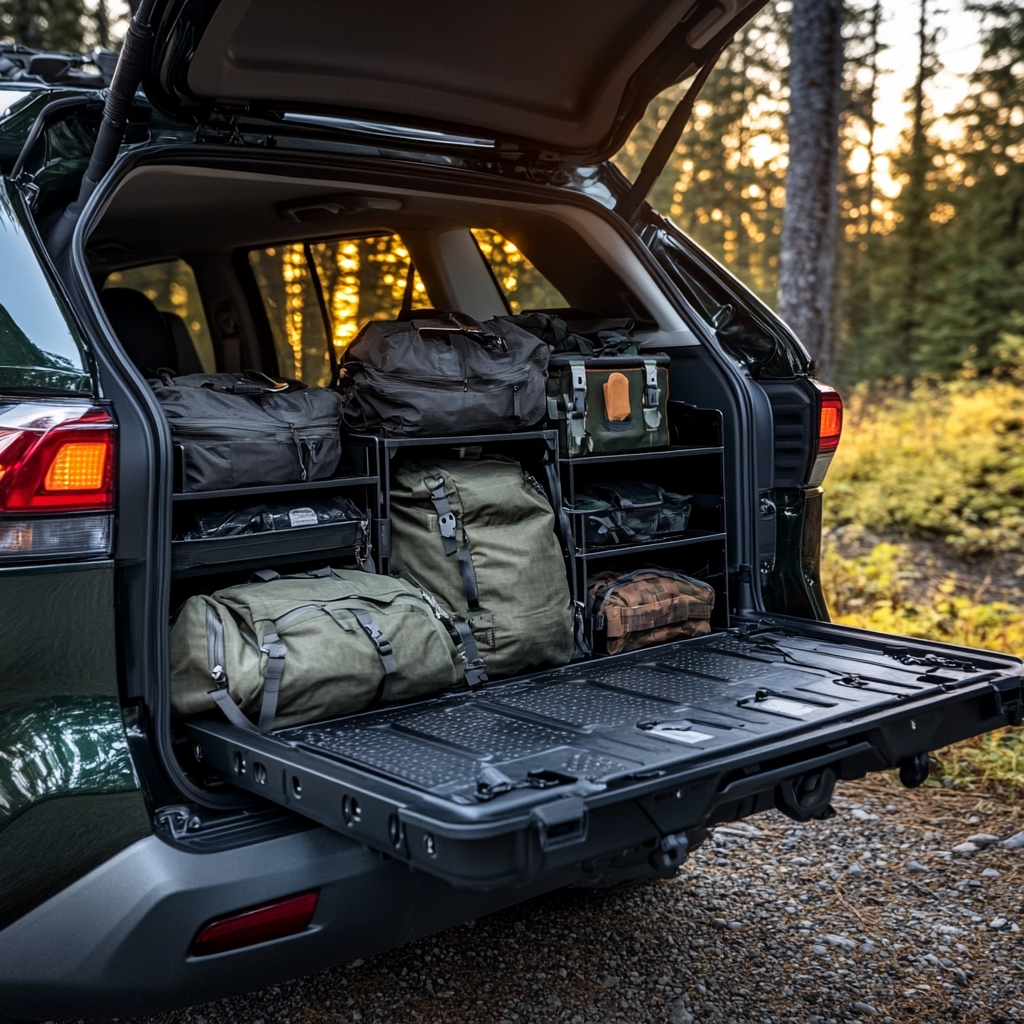
Label It and Color Code If You Need To
If you camp solo, you probably know where everything is. But if you travel with others or want to make life easier for future you, label your containers.
In a stressful moment, that small step can make a big difference. You can use different color bags or bins to organize by category:
- Black for tools
- Red for first aid
- Blue for water and food
- Green for campsite or survival gear
That way, when someone asks, “Where is the flashlight?” you can say, “Check the black pouch,” and get back to the business of staying calm and collected. Trust me on this, it’s awesome, and others will be impressed!
Use a Car Emergency Preparedness Checklist
You can also keep a printed Car Emergency Preparedness Checklist in your glove box or gear bag. It makes repacking faster, avoids missed items, and saves you from scrambling when something is missing.
Use it before every trip. Check it once a season. Keep one copy with your kit and one up front. Future you will thank you.
This is not about being perfect. It is about grabbing what you need without digging through chaos. A good system gets you back on the road faster and helps you stay calm when things go sideways.
Keep Your Kit Fresh or You Will Regret It
You packed your Car Emergency Kit a few months ago and felt pretty good about it.
Water? Check.
First aid? Check.
Snacks? Crushed it.
Then the weekend hits and surprise, the water leaked, the granola bars crumbled, and your flashlight is as dead as your weekend plans.
A kit only works if it is ready. This is not a one time task. Remember that gear gets used, batteries drain (even crack in the heat of a car), and snacks go bad.
A little upkeep goes a long way when things stop going according to plan.
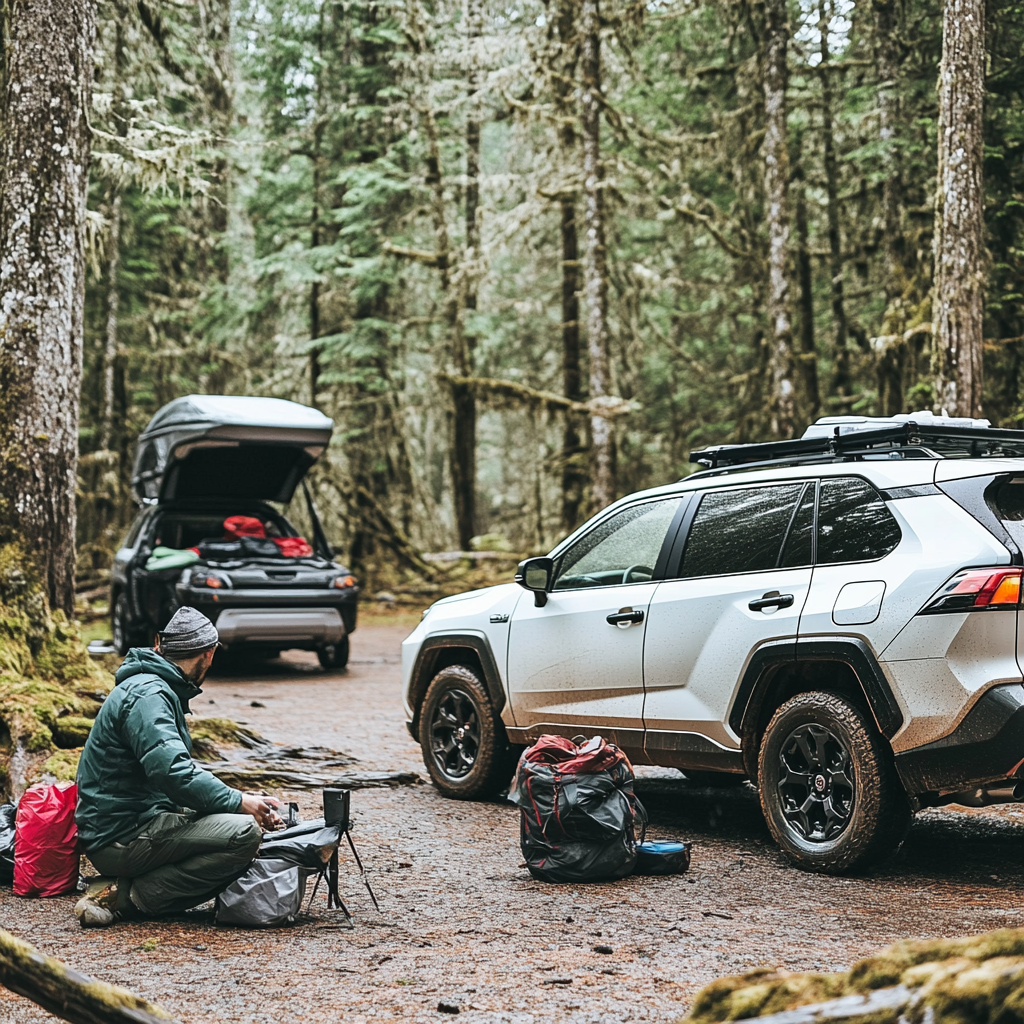
Check Your Kit Every Three Months
You only need to do it four times a year. Set a reminder in your calendar. Pick the first weekend of each new season. Then go through the essentials:
- Are the batteries still strong?
- Did you eat the last snack bar after that hike and forget to replace it?
- Did your cousin borrow the jumper cables last month and never return them?
This is a fast checkup. It keeps your gear in working shape and your future self out of trouble.
Rotate Gear with the Seasons
If your kit looks the same in January and July, something is off. Your gear should shift with the seasons.
For cold weather, make sure you have:
- Gloves
- Ice scraper
- Extra layers
- Hand warmers
- Warm blankets
For hot weather, pack:
- Electrolyte drink mix
- More water
- Shade tarp
- Sunscreen
- Bug spray
Adjust your gear based on where you are headed and what the forecast looks like. If your trip moves through multiple climates, pack for both ends of the trip.
Watch the Dates
That first aid kit you packed last fall might be hiding expired painkillers or allergy meds. And yes, those energy bars have a shelf life. Check the dates on everything.
Use a marker to write the important ones where you can see them.
If it helps, tape a quick note inside your kit. You do not want to be squinting at a faded label when things are already going sideways.
Test Your Gear
Do not assume your flashlight works just because it did last summer. The same goes for your charger or power bank (I check mine every month).
Every few months, test the gear that takes batteries or plugs into a port:
- Radios
- Flashlights
- Headlamps
- Portable chargers
- Emergency beacons, if you carry one
Make sure everything works before you need it. Charge up your power banks, test your lights, and swap out any weak batteries.
A tool that fails when it matters is worse than having nothing at all, because it gives you false confidence when you can least afford it.
Want a checklist with seasonal gear and suggestions tailored to how and where you camp?
Get your copy now to help you build a complete kit without overthinking a thing.
Pack It Once, Thank Yourself Later
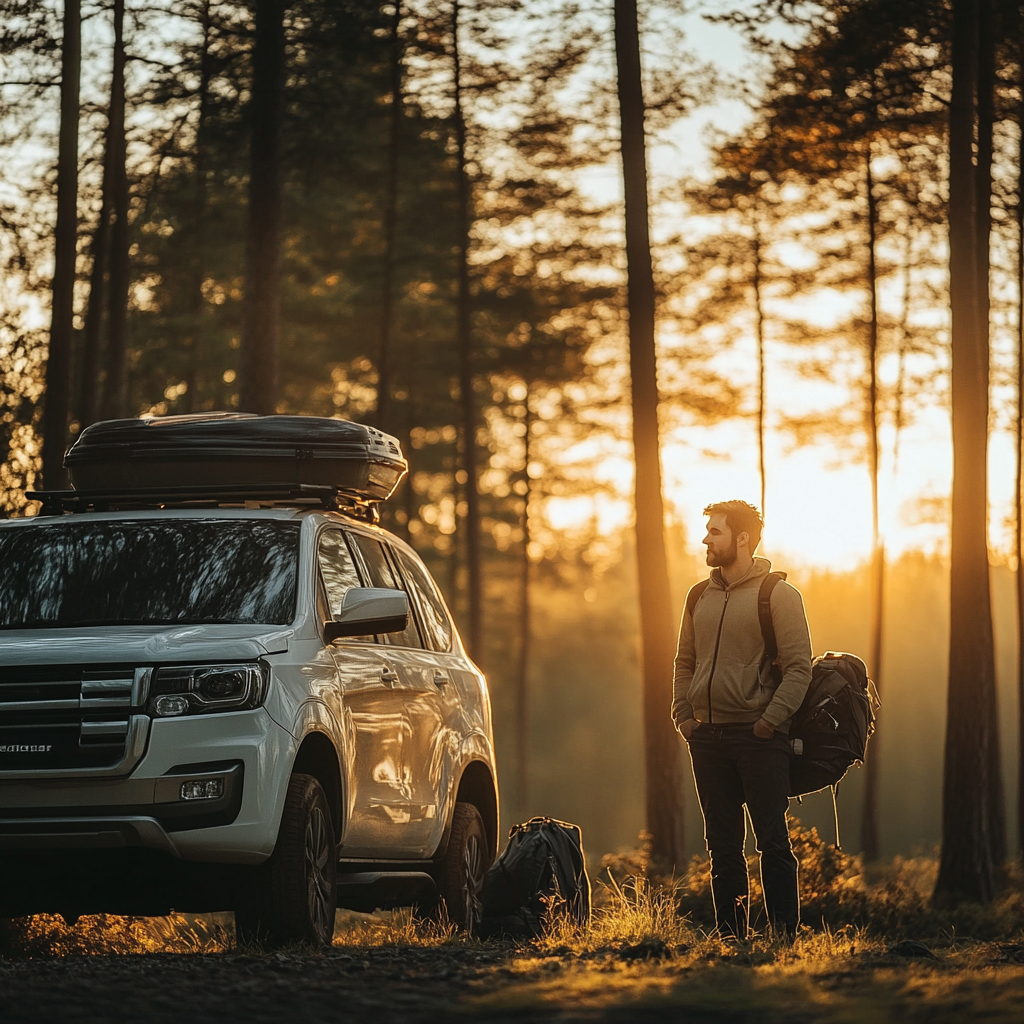
You will never regret having a solid Car Emergency Kit. No one has ever said, “I wish I had not packed that extra water and flashlight.“
But plenty of folks regret not having them. Usually when they are stranded, cold, wet, or hungry.
Emergencies do not announce themselves. They show up as a dead battery, a flat tire, or a long stretch of road with no signal and no help in sight.
That is when your gear stops being gear and starts being the reason you stay calm, safe, and in control.
You do not need to build the perfect kit all at once. Start small and add what you can. Every trip is a chance to test, adjust, and build something better.
Whether you are heading deep into the backcountry or just a few hours from home, your kit should be ready for anything. Especially the things you hope never happen.
Where you camp matters.
Snow, sand, forest, or desert. Your kit should match the environment.
Grab the free guide and learn how to tailor your gear to wherever the road takes you.