We may earn money or products from the companies mentioned in this post, but this does NOT cost you anything extra! Check out my full disclosure for more info.
When it comes to emergency kits, most people land in one of two camps.
There are the overthinkers with enough freeze-dried food to feed a small army and gear that looks like it came from a survival reality show.
Then there are the folks who say wait, I am supposed to have an emergency kit?
Look, I get it. Nobody is thrilled to spend a weekend packing canned beans and gauze pads. But here is the thing. Emergencies do not wait until you are ready.
Whether it is a power outage, a snowstorm, or something bigger, having even a basic emergency kit can turn a bad day into something manageable.
This is not about bunkers or bug-out fantasies. This is about building a kit that actually works. For real people. With real lives.
Just so you know where I stand. I am a bit of a prepper, sure.
But I take this topic seriously without getting lost in survival fantasy land.
No talk of secret bunkers or full camouflage kits here.
Just the practical stuff that everyone actually needs.
We are going to walk through the essentials. Home kits. Quick go bags. Car gear. Supplies for pets and kids. Plus how to keep it all budget-friendly and doable.
So let us get into it. Because the future you will thank you for starting today.

Short on Time? Here’s the Fast Version
In a hurry? No problem. Here is exactly what you are going to learn in this post.
- What an emergency kit actually is and why every home should have one
- How much water and food you should store for your family
- The must-have first aid items that belong in every kit
- The gear you need to stay warm, stay safe, and keep the lights on
- Why tools, hygiene items, and cash matter more than you might think
- What to pack for kids, pets, and family members with medical needs
- The difference between a home kit, a go bag, and a car kit
- How to build your kit without blowing your budget
- Simple tips for checking and updating your kit over time
- Easy ways to get your family involved without scaring the kids
This guide is packed with real-world tips for real people. No complicated gear lists. No survivalist drama. Just practical stuff that works when you need it most.
You can click below to jump to a section you want to know more about, too!
Feeling a little overwhelmed?
I get it.
There is a lot to remember when it comes to building an emergency kit.
Grab my free customizable emergency kit checklist and start building your kit today, the easy way.
What is an Emergency Kit and Why You Need One
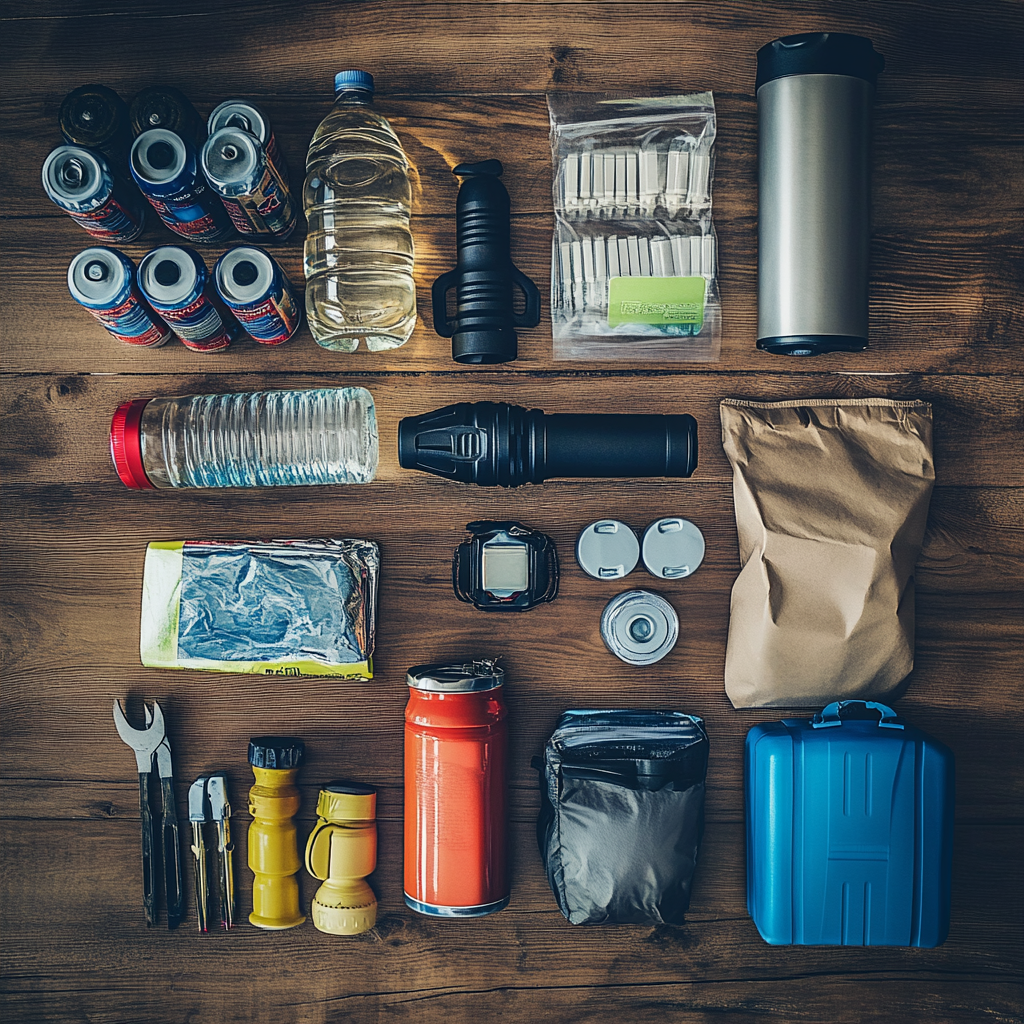
An emergency kit is exactly what it sounds like. A set of supplies and gear you keep in one place so you are ready when life throws a curveball.
Think of it as your personal backup plan. Something to lean on when the power goes out, the roads are blocked, or a storm turns everything upside down.
Now, some folks hear emergency kit and immediately picture zombie movies or end of the world bunkers. Let me clear that up right now. This is not that.
This is about home emergency preparedness for regular people who want to be ready for real problems. Storms. Earthquakes. Power outages. Supply chain delays. The kind of stuff that actually happens.
You do not want to be the one rushing out for bottled water or realizing your flashlight batteries died six years ago.
This is not about fear. It is about peace of mind. It is about knowing you have what you need to stay safe, stay comfortable, and ride things out.
Peace of mind beats panic every time.
And here is the best part. Putting together a smart emergency kit is easier than you think.
Let us take a look at what should actually be in it.
The Ultimate Emergency Preparedness Kit Checklist
Let’s get into the good stuff. This is where we break down what actually belongs in an emergency kit, so you are not stuck guessing when the power goes out.
We are talking food, water, first aid, tools, ways to stay warm, and all the often forgotten items that can make a hard situation feel a little more manageable.
You do not need to grab everything at once. Build your kit over time. Add what works for you and your family.
We’ll start with the most important thing. Water.
Water and Food Essentials
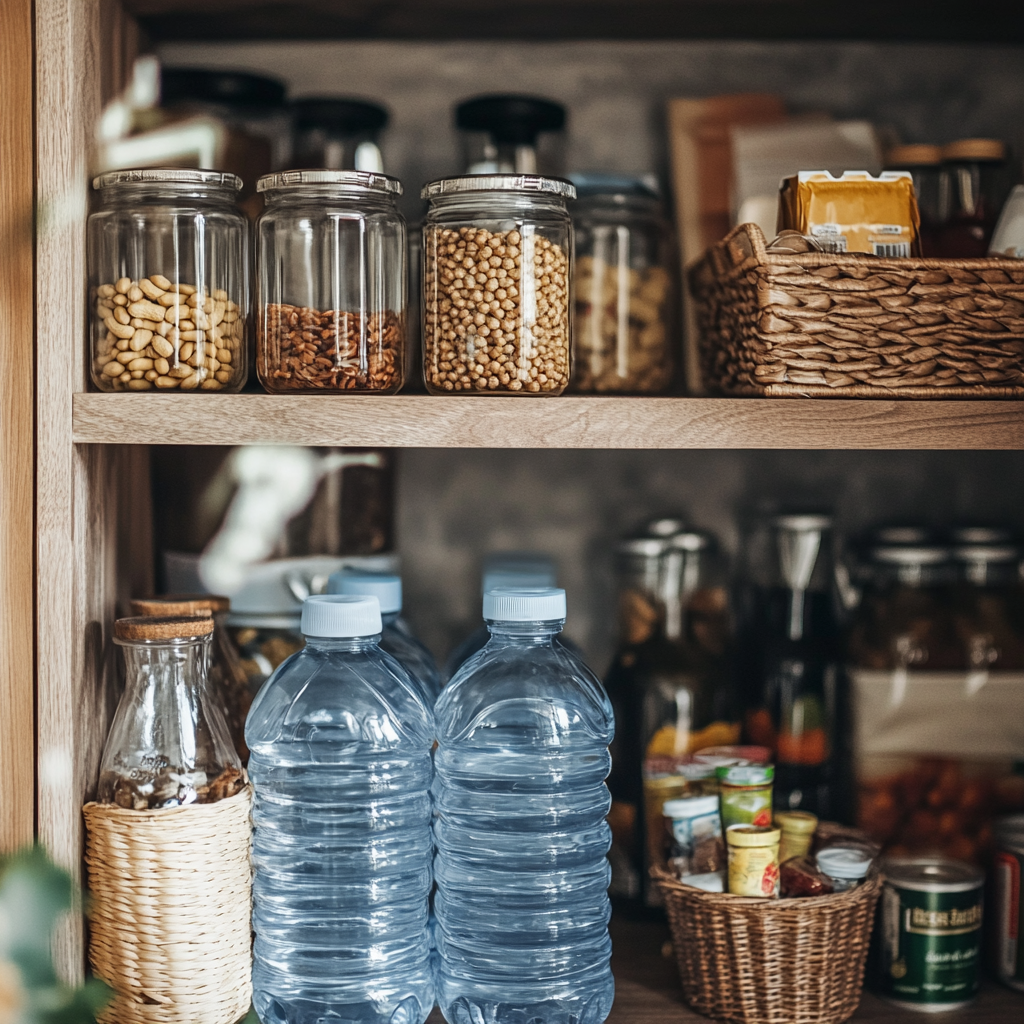
When it comes to building an emergency kit, this is where you start. Food and water are nonnegotiable. Everything else is important, but these two things are what keep you moving, thinking clearly, and staying calm when life gets weird.
How Much Water Do You Really Need
The general rule of thumb is simple. Plan for at least one gallon of water per person per day. And that is just for drinking. If you want water for cooking or cleaning, add a little extra.
Most experts recommend having a three-day supply of water ready to go. That means a family of four should have twelve gallons stored.
Sounds like a lot, right?
It adds up fast. But here is the thing. You do not need fancy water storage tanks. You can start by saving clean plastic bottles or buying a few gallon jugs from the store every time you go shopping.
A Few Quick Water Storage Tips
- Keep a portable water filter or purification tablets just in case
- Store water in cool, dark places if possible
- Rotate it once a year
What About Food
Your emergency food supply does not need to look like a survivalist warehouse. But I think that’s cool if it does.
The goal is food that does not need refrigeration, cooking, or a ten-step recipe to make it edible.
Think simple. Think shelf stable. Think about snacks you will actually want to eat if you are stressed and tired.
Easy No-Cook Food Ideas
- Crackers
- Peanut butter
- Trail mix or nuts
- Protein or granola bars
- Canned fruit or veggies
- Instant oatmeal packets
- Hard candies or comfort snacks
- Ready-to-eat pouches like tuna or chicken
- Canned soups and chili (with a manual can opener)
Aim for at least a three-day supply of food per person. And do yourself a favor. Check the expiration dates once a year. Rotate out the old stuff and maybe even eat a few of those emergency snacks as a little reward for being prepared.
First Aid Items for Emergency Kits
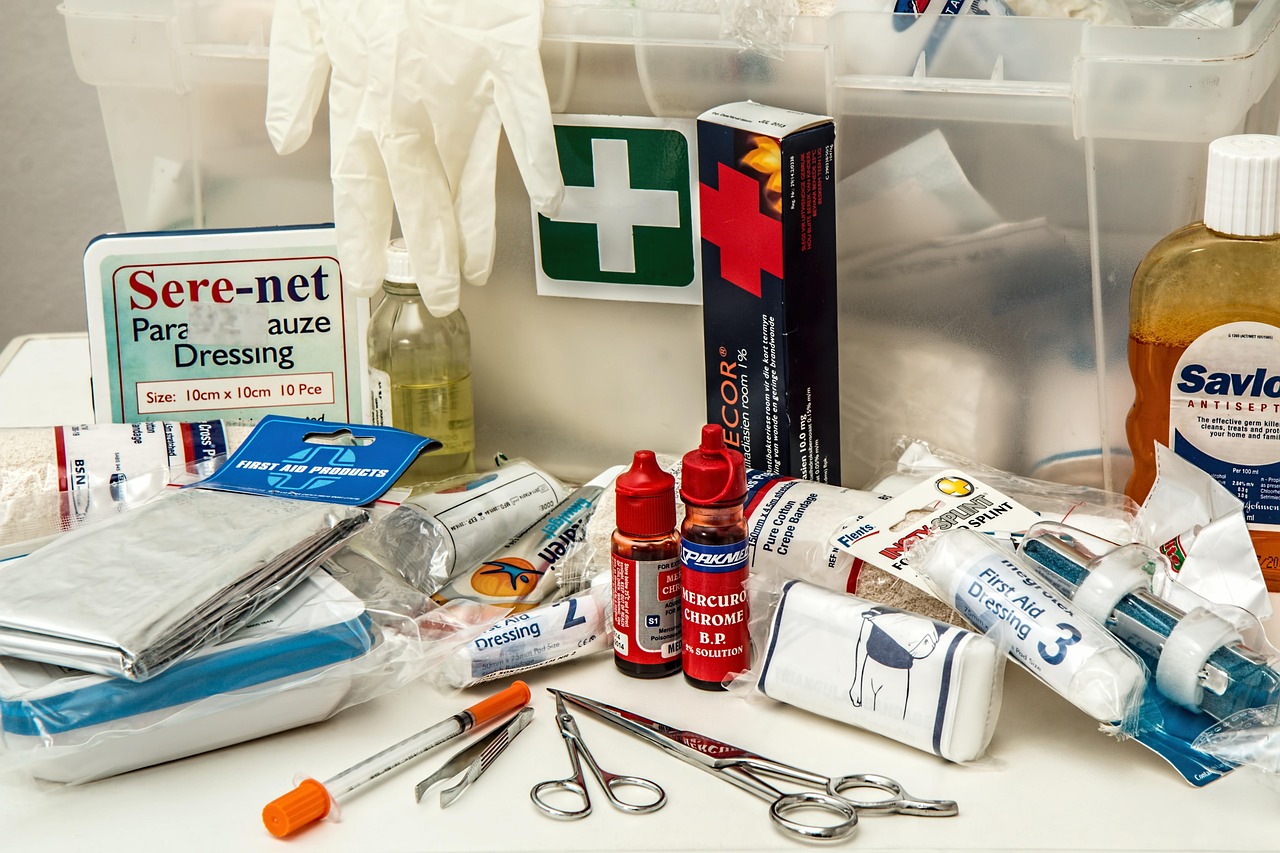
Food and water keep you going. First aid keeps you patched up when life gets rough. Every emergency kit needs a solid stash of medical supplies. Nothing complicated here. Just the basics to handle minor injuries until you can get proper help.
Must-Have Medical Supplies
If you have ever dug through a first aid kit only to find two bandages and a packet of mystery cream from 1994, you know how important this is. You want supplies that actually do something useful.
Here is what every emergency kit should have at a minimum.
- Gloves
- Eye drops
- Safety pins
- Thermometer
- Instant cold packs
- Antibiotic ointment
- Elastic wrap for sprains
- Burn cream or aloe vera
- Tweezers and small scissors
- Gauze pads and medical tape
- Allergy medicine like Benadryl
- First aid manual or instructions
- Antiseptic wipes or rubbing alcohol
- Adhesive bandages in different sizes
- Pain relievers like ibuprofen or acetaminophen
Medications and Allergy Needs
This is the part most people forget until it is too late. If someone in your family relies on daily medication, you need to have a backup supply stored in your emergency kit.
That might include:
- Prescriptions with at least a few days’ worth of doses
- Vitamins or supplements you take regularly
- Extra contact lenses or glasses
- EpiPens for severe allergies
- Inhalers for asthma
If you have pets, do not forget their medications, too. Emergencies do not pause health issues, so this part is worth the extra effort.
One More Tip
Put all your first aid items in a small waterproof container or bag. Emergencies are messy. You do not want to dig through soggy bandages or wet pill bottles when time matters.

Power, Warmth, and Light
When the lights go out, things get real fast. Having power, warmth, and light in an emergency is about more than just comfort. It helps you stay safe, stay calm, and avoid bumping into furniture at two in the morning.
This is the part of your emergency kit that helps keep life feeling a little more normal when everything around you is anything but.
Light it Up
Flashlights are your best friend during a power outage. And no, your phone flashlight does not count. Save that phone battery for more important things.
Here is what you want to have on hand.
- Extra batteries (way more than you think you will need)
- Glow sticks for quick light or to mark things at night
- Headlamps so you can keep your hands free
- Battery-powered lantern, if possible
- At least two reliable flashlights
Stay Warm
Depending on where you live, staying warm might be a serious priority. Power outages in the winter are no joke.
Pack things like:
- Extra layers of clothes for every family member
- Blankets or sleeping bags
- Hand warmers
- Wool socks
- Gloves
- Hats
Even in warmer climates, temperatures can drop fast at night. Better to have it and not need it.
Power for the Essentials
Think about how you will keep important devices running if the power stays out for more than a few hours.
Helpful items include:
- Portable phone chargers or power banks
- Battery-powered radio to get updates
- Extra batteries for everything
- Solar chargers
Having light, staying warm, and keeping your phone charged might not sound like survival skills. But trust me, they can make a rough situation a lot less miserable.
Tools, Hygiene, and Important Stuff
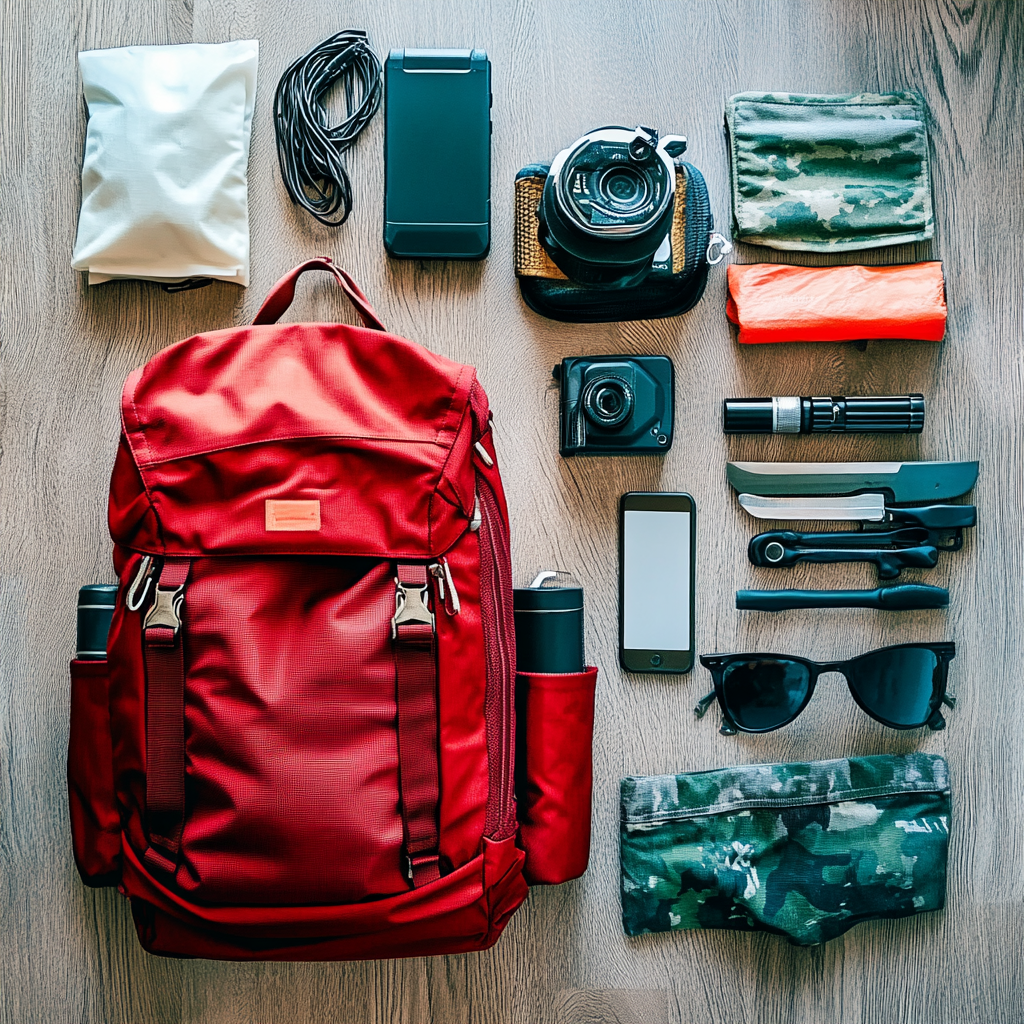
Food, water, and first aid cover the basics. Power, warmth, and light keep you comfortable.
But there are a few more things you are really going to want in your emergency kit. These are the little things that most people forget about until it is too late.
Tools You Will Be Glad to Have
You do not need to be MacGyver to appreciate a good tool in a pinch. A few simple things can save the day when the unexpected happens.
- Manual can opener for all that canned food
- Duct tape because it fixes everything
- Multi-tool or pocket knife
- Waterproof matches or a lighter
- Whistle to signal for help
- Paracord or strong rope
- Work gloves
Toiletries and Hygiene
Emergencies are stressful enough without feeling gross. Staying clean can also help prevent sickness when resources are limited.
Simple things to pack include:
- Soap
- Toilet paper
- Garbage bags
- Hand sanitizer
- Toothbrush and toothpaste
- Feminine hygiene products
- Baby wipes or cleansing wipes
Important Documents
Make copies of your most important documents and keep them in a waterproof bag or folder.
Things like:
- Identification for everyone in the family
- Maps of your local area
- Insurance information
- Emergency contact list
- Medical records
Having these ready can save you a huge headache later.
Do Not Forget Cash
If power is out, ATMs and card readers might not work. Having some small bills tucked into your emergency kit can be a lifesaver when it comes to buying supplies or getting help.
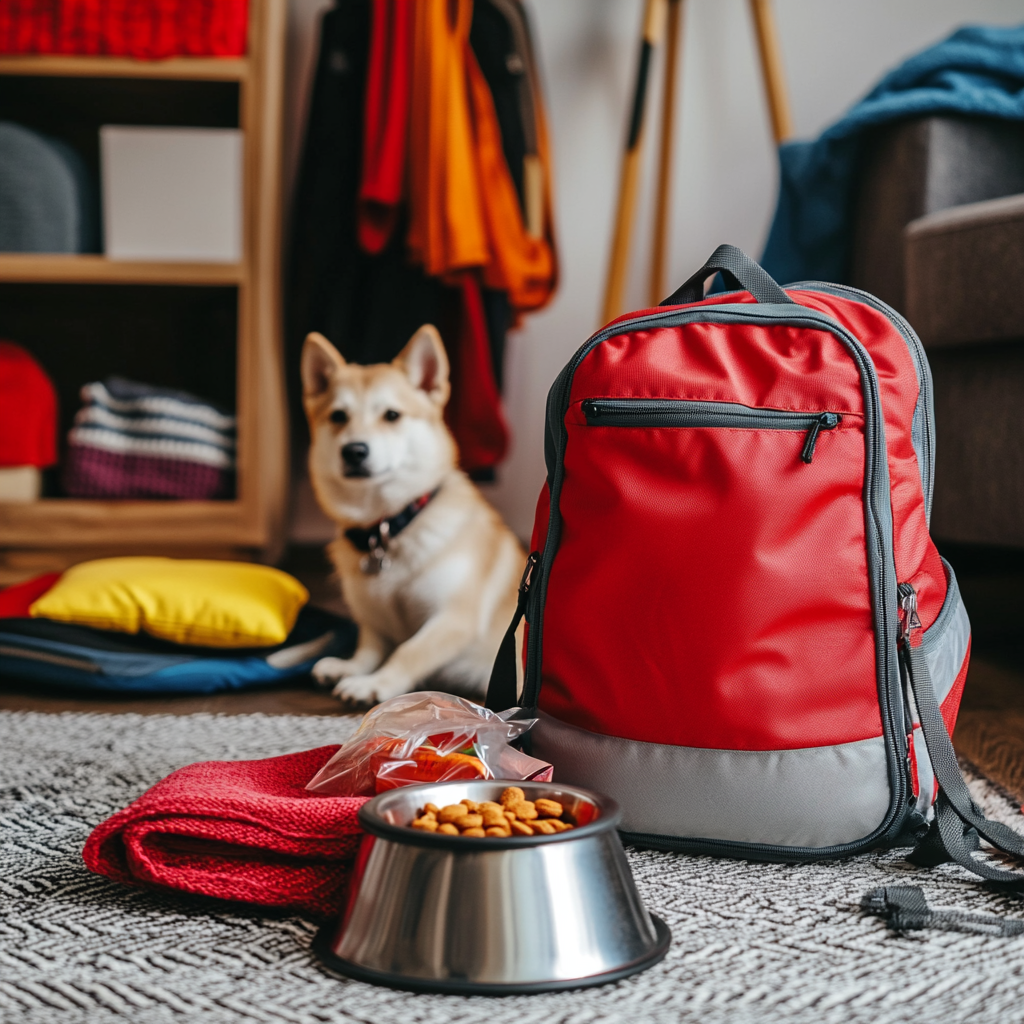
Items for Kids, Pets, and Special Needs
Every family is different. Your emergency kit should be too. Once you have the basics covered, take a little extra time to think about the specific needs of your people and your pets.
Trust me, a little planning here makes a huge difference when things get stressful.
Kid Essentials
Kids handle emergencies better when they are comfortable, distracted, and feel safe. A few simple items can go a long way.
- Comfort items like a favorite stuffed animal or blanket
- Extra diapers and wipes if you have little ones
- Snacks, you know, they will eat
- Small toys, books, or puzzles
- Baby formula or baby food
- Extra clothes
Emergency Preparedness Kit for Pets
Pets are family too. And they count on you completely during an emergency.
Make sure to pack:
- Pet medications
- Waste bags or litter supplies
- Leash and collar with ID tags
- Extra water just for your pets
- Pet food for at least three days
- Collapsible water and food bowls
- A favorite toy or blanket for comfort
- Crate or carrier if you need to evacuate
Special Needs or Medical Considerations
Every family has its own unique needs. Take a little time to think through what else might be important for your situation.
This might include:
- Medical equipment with extra supplies
- Backup chargers for medical devices
- Mobility aids like canes or walkers
- Dietary specific foods
- Hearing aid batteries
- Communication aids
The goal here is simple. Think about what would make life easier and safer for your crew during a tough few days. Pack that stuff now so you are not scrambling later.
This is a lot of information.
And let us be honest, nobody is going to remember all of it when standing in the aisle at the store.
Grab the free emergency kit checklist you can print, customize, and actually use when you need it most.
Home Emergency Kit vs Go Bag vs Car Kit
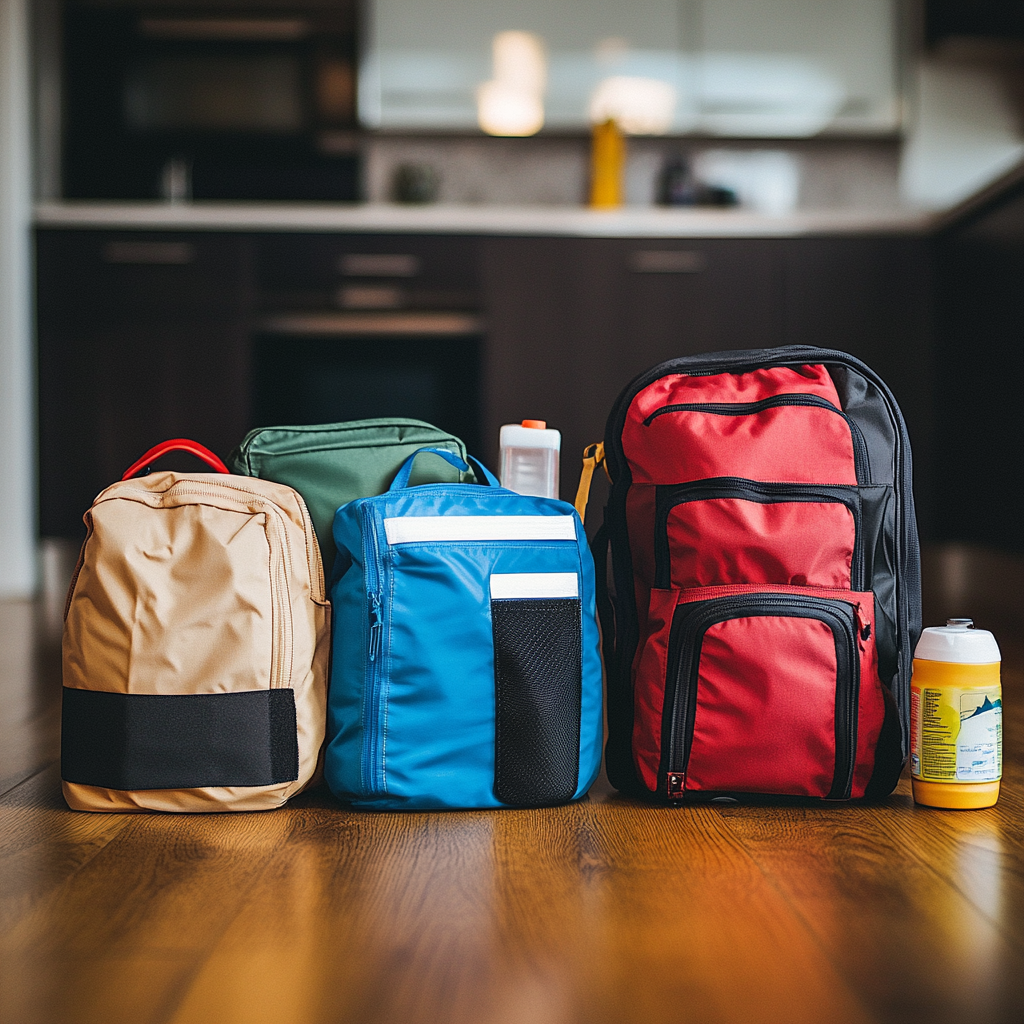
Not all emergency kits are built for the same job. There is a difference between riding out a storm at home, grabbing your bag and leaving fast, or getting stuck on the side of the road.
Let us break it down so you know exactly what you need and where to keep it.
Home Emergency Kit
This is your stay-at-home setup. It is built for situations where you are sheltering in place, like during a winter storm, power outage, or natural disaster.
Keep it stocked with:
- First aid supplies
- Tools and hygiene items
- Warm clothing and blankets
- Flashlights and extra batteries
- Copies of important documents
- Phone chargers and battery packs
- Water and food for three days or more
- Items specific to kids, pets, and medical needs
Best place to store it? Somewhere cool, dry, and easy to grab. A closet near your main living area works great.
Go Bag
This is your grab-and-go bag. Think wildfire, flood, or anything that might force you to leave your home quickly.
It should include:
- Food and water for one to three days
- Copies of important documents
- Items for kids or pets if needed
- Warm clothes and rain gear
- Personal medications
- Small hygiene kit
- Basic first aid kit
- Phone charger
- Flashlight
- Cash
Store it where you can grab it fast. By the front door, in a bedroom closet, or even in your car if that makes sense for your situation.
Car Emergency Kit
This is for breakdowns, bad weather, or getting stranded while traveling.
Keep this kit in your vehicle with:
- Flashlight
- Basic tools
- First aid kit
- Jumper cables
- Extra batteries
- Water and snacks
- Blanket or extra layers
- Cat litter or sand for traction
- Maps in case your phone dies
- Phone charger that works in your car
- Ice scraper if you live in colder areas
A car kit is one of those things you will be very happy to have when you need it.
Budget-Friendly Tips for Building Your Emergency Kit
Let’s be real. Emergency kits can get expensive fast if you try to buy everything at once. But here is the good news. You absolutely do not have to.
Building an emergency kit is not a one-day project.
It’s something you can build over time, piece by piece, without draining your bank account.
Start Small and Build Over Time
This is how I started!
You do not need to have a perfect, fully stocked kit tomorrow. Start with the basics. Pick up an extra gallon of water or a few canned goods every time you go to the store.
Add batteries in one week. Grab a quality flashlight the next.
Slow and steady will win this one every time.
Cheap Wins and DIY Ideas
Some of the best emergency supplies do not cost much at all. And some you probably already have sitting around the house.
Easy budget-friendly items to add include:
- Trash bags for all kinds of uses
- Baby wipes from the dollar store
- Water bottles you refill and rotate
- Extra blankets or old sleeping bags
- Candles for light (just be careful using them)
- Extra phone chargers from that junk drawer we all have
- Empty pill bottles to store small items like matches or cash
Garage sales, thrift stores, and dollar stores are great places to find emergency kit items without spending much.
When a Pre-Made Kit Makes Sense
Look, if buying a pre-made emergency kit gets you started faster, there is no shame in that. There are some solid starter kits out there that cover the basics.
Just know that most pre-made kits are exactly that. Basic. You will probably still want to customize it with items specific to your family, pets, and situation.
Bottom line? An imperfect kit you have ready is always better than the perfect kit you never got around to building.
How to Keep Your Emergency Kit Ready
Building your emergency kit is a huge first step. But keeping it ready is just as important.
The last thing you want is to feel like you are prepared, only to find out half your stuff expired two years ago or your flashlight batteries leaked all over everything.
The good news is that this part is easy.
How Often Should You Check Your Kit
Once a year is usually enough for most kits.
I like to make it a habit to check mine when I change the clocks for daylight savings or when I switch out seasonal gear. It keeps it on the radar without feeling like a chore.
But if you have a go bag or a car kit that sits in extreme heat or cold, give those a quick check every few months just to be safe.
What to Rotate or Replace
Here is what you should look over when you check your kit.
- Batteries
- Expired food
- Old or expired medications
- First aid supplies like ointments or wipes
- Bottled water, if it has been sitting for a long time
- Phone chargers or cables that might have worn out
- Clothes or shoes for kids that might not fit anymore
Use this time to restock anything you used, add new items you thought of, or swap in seasonal gear like hats and gloves for winter.
Keep It Easy to Grab
Your emergency kit is not much help if it is buried under a mountain of holiday decorations or shoved in the back of a closet you never open.
Find a spot that is dry, cool, and easy to access. That might be a hall closet, the bottom of a pantry, or a bin near the front door.
Make sure everyone in your household knows where it is and what is inside. Because the middle of an emergency is not the time for a scavenger hunt.
Involving Your Family in Emergency Preparedness
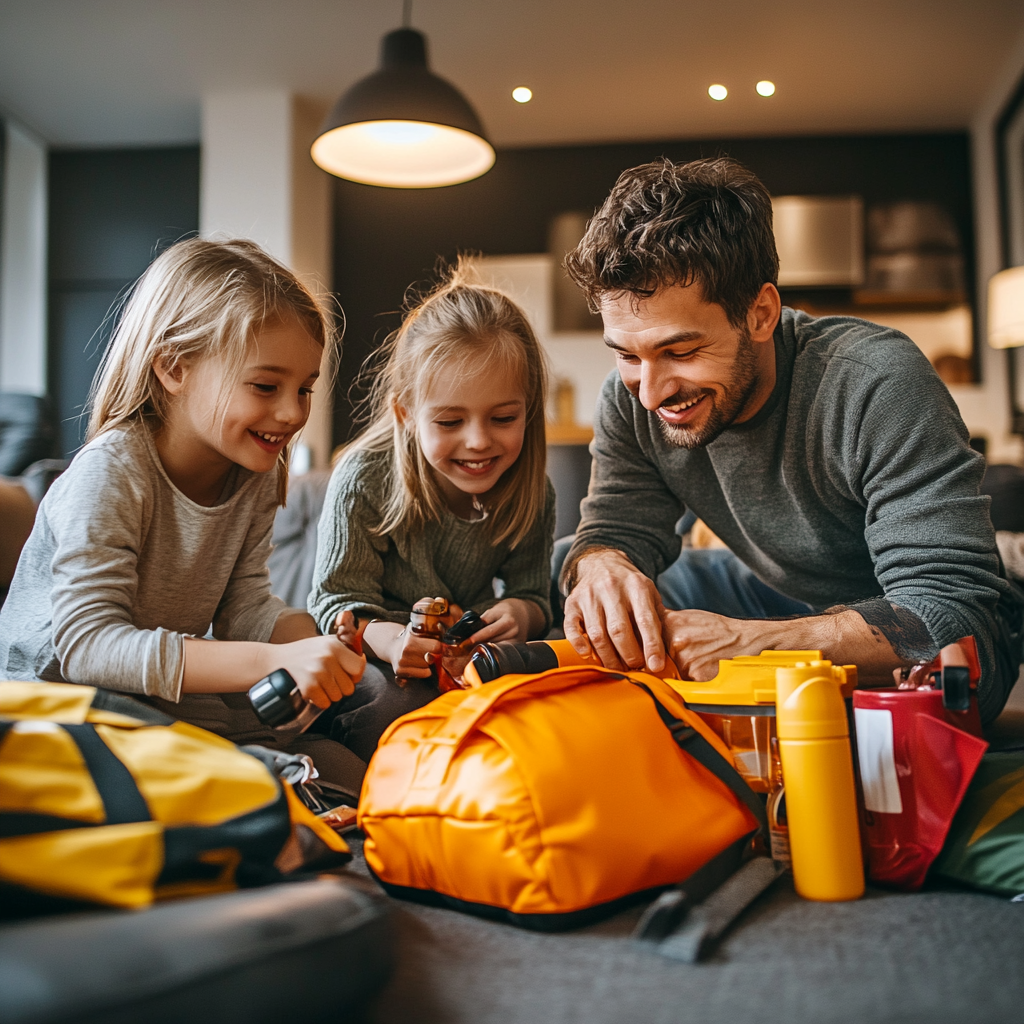
Emergency preparedness does not have to be scary. In fact, involving your family in building and maintaining your emergency kit can actually make everyone feel a little calmer and confident when things go sideways.
It is not about creating fear. It is about building skills, habits, and a little peace of mind.
Teach Without the Scare Factor
Kids are smart. They pick up on everything!
The goal is to teach them how to handle emergencies without turning it into something that keeps them up at night.
Keep it simple. Keep it honest.
Talk about emergencies like you would talk about fire drills or seat belts. It is just something smart people do to stay safe.
Let Them Help Pack or Plan
One of the best ways to get kids involved is to let them help build the kit. Give them a few jobs like:
- Picking out snacks for the kit
- Helping gather flashlights or batteries
- Packing their own comfort item, like a stuffed animal or book
- Creating a small, kid-friendly go bag with their own essentials
This gives them ownership. It turns a scary idea into something practical and even kind of fun.
Make It a Routine
Emergency preparedness works best when it is just part of life. Not a big event. Not a one-time panic shopping trip.
Check your kit together once a year. Update it when the seasons change.
Talk about your emergency plan at dinner once in a while. Practice grabbing the go bag just like you might practice a fire drill.
Small things over time make a huge difference. And it teaches your kids a skill that will stick with them long after they grow up.
Final Thoughts on Emergency Kits That Actually Work
 Here is the truth nobody tells you about emergency kits.
Done is always better than perfect.
The best emergency kit is not the fancy one from an expensive website or the one with gear you saw on a survival show. The best emergency kit is the one sitting in your closet right now. Even if it is small. Even if it is just the basics.
Start today with what you have. A few bottles of water. Some extra snacks. A flashlight that works. Build from there. Add to it when you can.
Over time, it will grow into something solid and reliable.
Emergencies are never going to send a save-the-date. But being prepared does not have to be hard, expensive, or overwhelming. It just takes a little intention and a little action.
Future you is going to be so thankful you did this.
And when the power goes out or the weather turns nasty or life throws one of its classic surprises your way, you will be able to take a deep breath, grab your kit, and handle whatever comes next.
That is what it is all about.
The best emergency kit is the one you actually have ready before you need it.
Download the free emergency kit checklist and start building yours today.
Future you is going to be really glad you did.
As a former truck driver I used to keep a coffee can with zip lock bags and toilet paper. If you’re stuck on the road and the need arises you’ll be glad to have it. Also a deck of cards are another easy to use game, books, you get the idea.
That’s a great idea for sure! Especially if you are in remote areas. I even found a small foldable chair that I cut and made a super easy to use toilet. Thanks for the comment!