We may earn money or products from the companies mentioned in this post, but this does NOT cost you anything extra! Check out my full disclosure for more info.
What keeps you safe in a neighborhood or on the road is not always enough once you leave the pavement. Out here, everything changes.
Weather can turn fast, injuries become harder to manage, and help may be hours or even days away.
I have spent plenty of time exploring the American West. What I have learned is simple.
Outdoor emergency preparedness is not about packing every gadget you own. And yes, I am still recovering from my overpacking days.
It is about choosing smarter gear and building skills that technology cannot replace.
Your outdoor kit needs to be light enough to carry, tough enough to work in harsh conditions, and flexible enough to cover more than one kind of problem. Most of all, you need to know how to use what you packed, especially when your nerves are high and the trail goes quiet.
Welcome to the third email in this series to help prepare for what life throws your way.
If you’re short on time, here is what you will learn…
Short on Time? Here’s What You’ll Learn
- Why outdoor preparedness means more than carrying extra gear
- How to select multi-purpose essentials that actually make sense on the trail
- Key weather awareness and response skills every adventurer should know
- The navigation skills that matter when batteries die and tech fails
- First aid priorities that work when help is hours away
- Smart food and water strategies for real-world emergencies
- When to call for help and how to make that decision with confidence
You can jump to the section that interests you most or start from the top and get the full picture.
Adventure Gear Meets Emergency Readiness
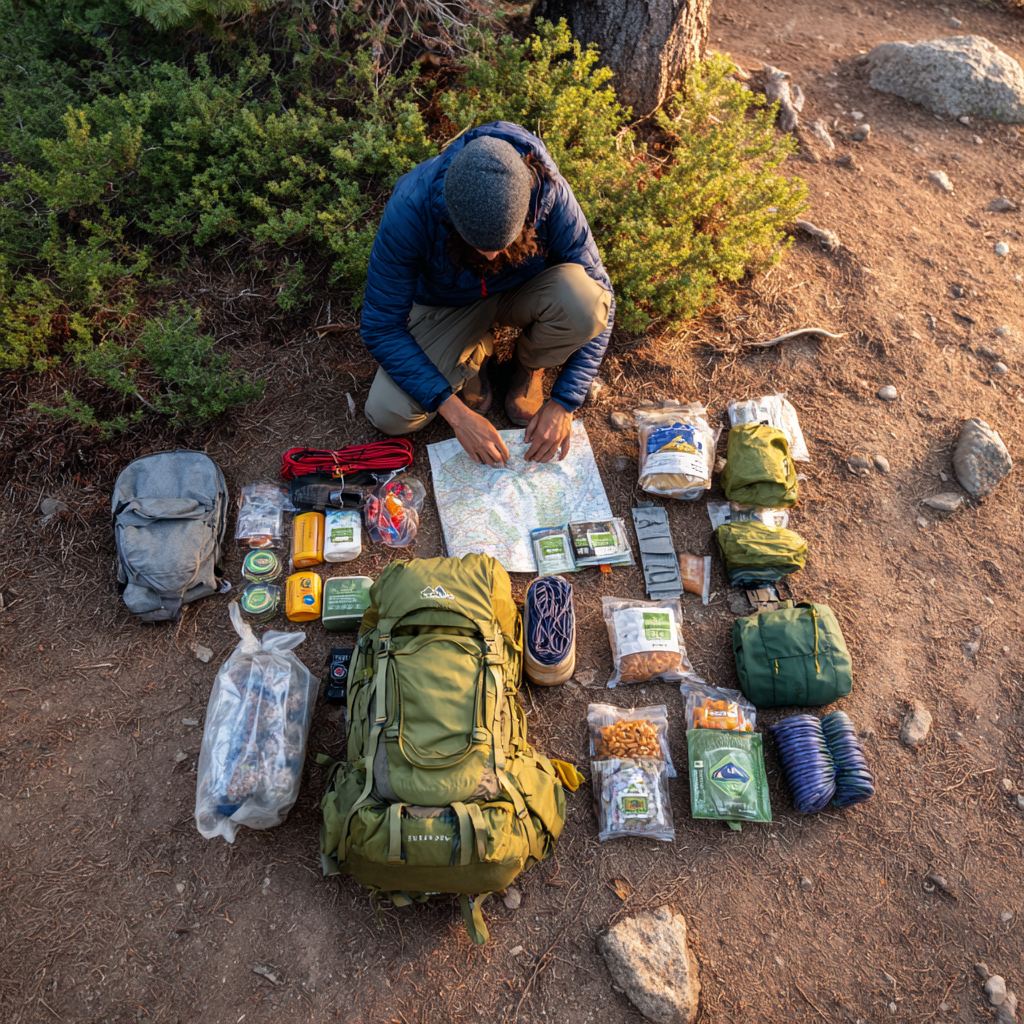
There is a natural connection between the gear you use for adventure and the tools you depend on in an emergency.
Your hiking pack can become a shelter. The map and compass that help you stay on course can also help rescuers find you. First aid supplies treat both trail scrapes and more serious injuries.
If you already spend time outdoors, chances are you are carrying more emergency gear than you realize.
The goal is not to add more weight. It is to make better choices and grow your skills so your gear works in both adventure and survival settings.
This reminds me of a hike where we had to scramble over rocks when one of the guys rolled his ankle. There were a few of us, but no splint in the group. We grabbed some towels and sturdy sticks and made one on the spot. It was not pretty, but it worked, and he got back to the trailhead. This is also a reason I’ve started carrying trekking poles, you never know when you might need them.
Adventure gear often focuses on specific tasks. Emergency gear must be able to cover a wide range of situations and offer backup options when your primary tools are not available.
Understanding that difference helps you make smarter decisions. Your goal is to build capability that serves you whether you are on a planned multiday trip or stuck outside overnight after a simple hike went wrong.
Smart Packings Starts with the 10 Essentials
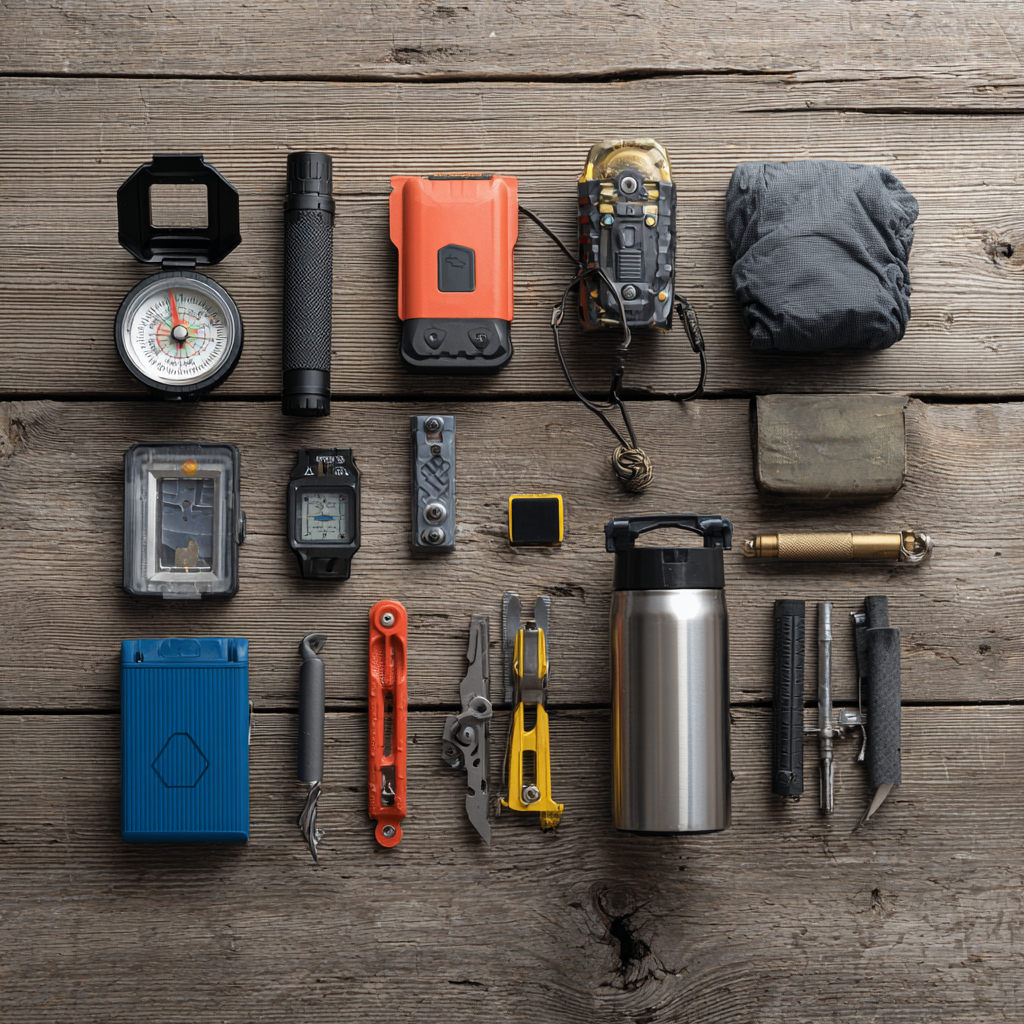
The 10 Essentials are the foundation of outdoor emergency preparedness. They are not just a checklist. They are a system.
When chosen well, each item can serve more than one purpose, keep your pack light, and prepare you for the most common outdoor challenges.
Here is the quick list:
- Navigation tools
- Sun protection
- Insulation
- Emergency shelter
- Illumination
- First aid supplies
- Fire starting tools
- Repair kit and tools
- Food
- Water
These categories help you pack smarter, not heavier. Want to see how to choose the right gear and why it matters?
Check out my full post here for a deeper look at each of the 10 Essentials.
How to Read the Weather Before it Becomes a Problem
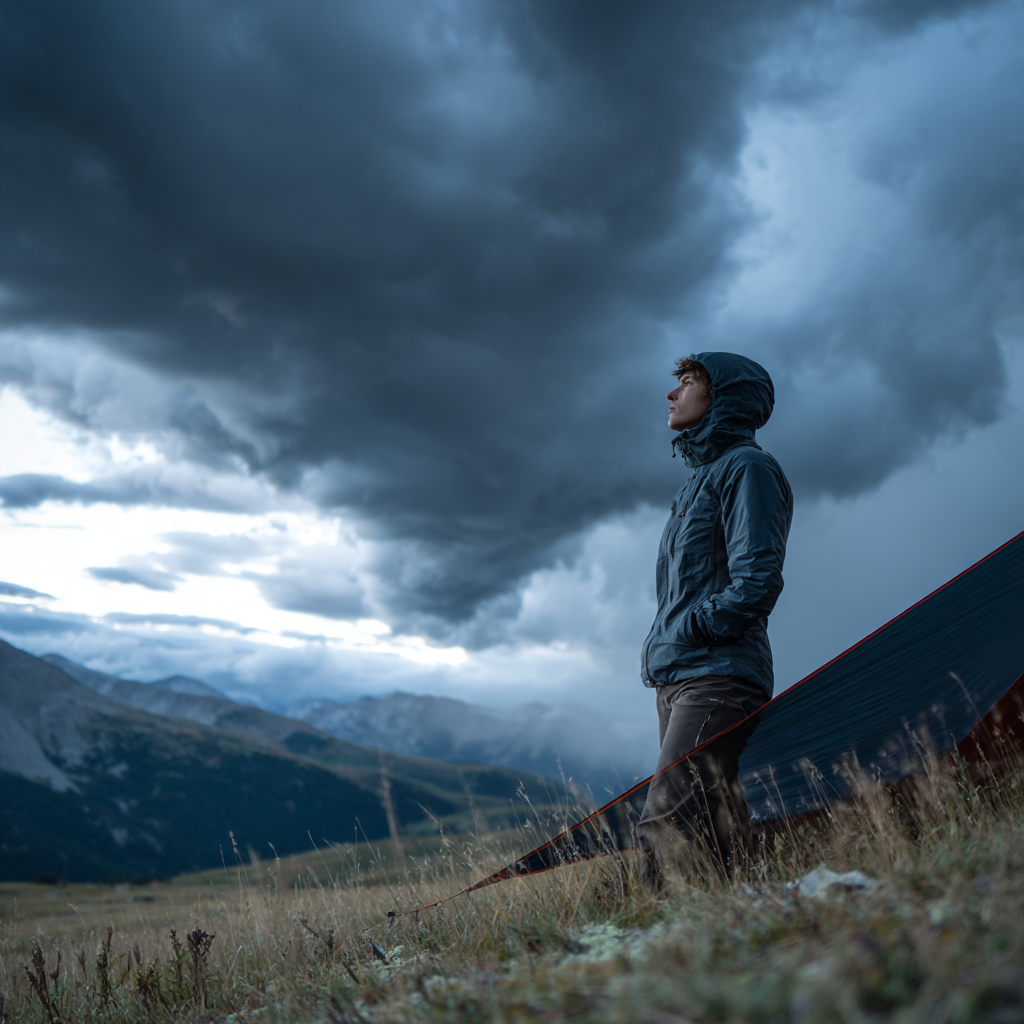
Weather is one of the most common causes of outdoor emergencies. Shifts in temperature, sudden storms, and strong wind can turn a good day outside into a dangerous situation faster than most people expect.
Learning how to read the signs and respond early is one of the best outdoor safety skills you can build.
Watch the Sky and Trust the Signs
Nature tells the truth faster than your phone. Cloud shape, wind direction, animal movement, and changes in air pressure all give clues about what is coming. These signs are often more accurate than forecasts, especially in remote areas.
Know the weather patterns for the places you visit. What works in the desert will not help in the mountains. Local knowledge matters.
Here is a short video you should check out, talking more about clouds in the mountains.
Stay Within Your Temperature Range
Your body only works well in a small temperature window. When it drops or rises too far, you lose heat or overheat fast. Both problems can sneak up on you and mess with your ability to think clearly or move well.
Learn to spot the early signs of cold or heat issues in yourself and others. Then learn how to treat them using the gear you carry and what you find around you.
Do More Than Just Avoid the Rain
Rain, snow, and ice bring more problems than most people expect. Wet clothes mean heat loss. Poor footing can lead to injuries. And getting out becomes harder when everything is slick or snowed over.
Know when to push forward and when to wait it out. Practice setting up shelter in wet or windy conditions so you are not learning under pressure.
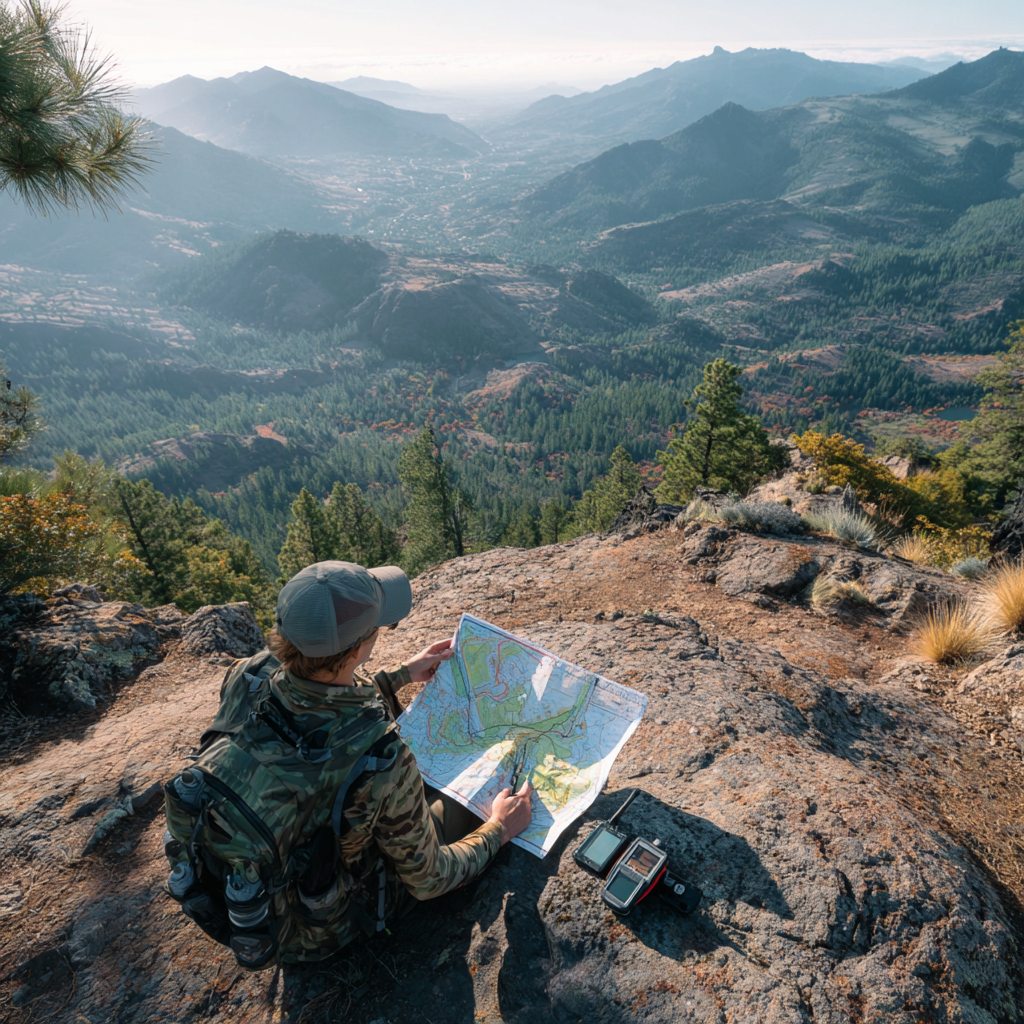
GPS tools are great until they stop working. Batteries run out. Screens freeze. Signals disappear.
When that happens, knowing how to navigate without a device can make the difference between getting home or staying lost.
How to Use a Map and Compass
A topographic map gives more than just location. It shows water sources, elevation changes, land cover, and nearby trails or roads.
Learning to read a map teaches you how the land moves around you and gives you better instincts even when you are using GPS.
A compass does more than point north. With triangulation, you can find your exact position using distant landmarks. A back bearing helps you retrace your steps. A bearing line keeps you going in the right direction when visibility drops.

Use Nature When Gear Fails
Natural navigation is the original system. You do not need batteries to follow the sun, recognize star patterns, or pay attention to how wind, moss, or slope position give away direction. These skills take time to learn, but they work when nothing else does.
Plus, they sharpen your awareness. You notice more, connect more deeply to your environment, and become a more skilled and present traveler.
Know How Far You Have Gone
Being able to estimate distance and travel time helps with planning, safety, and decision-making. Most people think they move faster than they do and guess distances wrong, especially when they are tired or stressed.
Learn your pace count on different trails and grades. Practice timing yourself on climbs and descents. Watch how your movement changes when you are carrying weight, moving through snow, or fighting strong wind.

How to Handle First Aid When Help is Far Away
Wilderness first aid is a different game. You are not minutes from an ambulance. You are hours or even days from help. That changes how you treat injuries, manage resources, and make decisions under pressure.
If you’re interested, check out the Red Cross for courses.
Start with What Matters Most
Out here, your focus is on what can kill quickly. Clear the airway. Stop heavy bleeding. Watch for signs of shock. These are the top priorities no matter where you are.
Learn a system that helps you assess injuries even when your heart is racing. Practice decision-making with limited supplies and multiple problems to solve.
Expect the Injuries You Cannot Call In
Falls, sharp tools, campfire burns, and heavy impact injuries are common in outdoor settings. Your kit needs to handle those first. But your skills matter more. Know how to stop bleeding without fancy tools. Learn how to splint a limb with what you have on hand. Keep body heat in. Manage pain with what is available.
Stop the Silent Killers
Heat, cold, altitude, and dehydration cause more problems in the backcountry than broken bones. Prevention is easier than treatment. But if it happens, you need to act fast.
Know the stages. Catch early signs of heat stroke or hypothermia before they get worse. Learn how to treat mild cases in the field and when it is time to get out.
Be Ready for the Long Wait
Sometimes, you are the only care someone will get for a while. In those moments, your job is to monitor, comfort, and protect. Keep track of symptoms. Adjust treatment as needed. Use supplies wisely so you do not run out before help arrives.
Learn how to make smart evacuation calls. Sometimes, staying put is safer. Sometimes you need to move. Know the signs and trust your training.
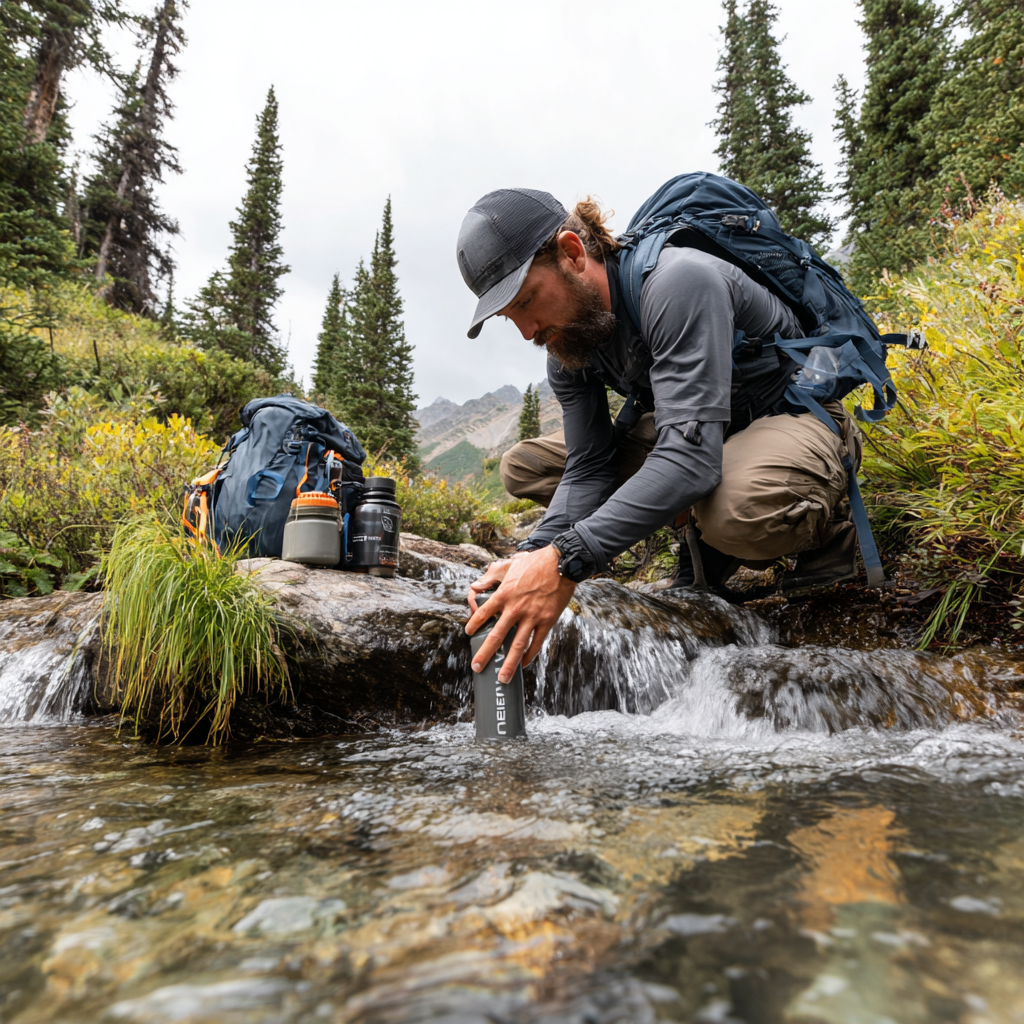
Stay Fueled and Hydrated When the Trail Gets Tough
When you are deep in the backcountry, food and water are not just about comfort. They are about survival.
Unlike home preparedness, you need to think about weight, shelf life, and how to find resources around you.
Where to Find Water That Will Not Hurt You
Finding water outside means knowing the land. Game trails can lead to springs. Certain plants grow where water runs just under the surface.
Look at maps and read the land to spot seasonal streams and shaded low areas that hold moisture.
Water is not always safe just because it is clear. Learn how to read the signs of a reliable source and know what to avoid.
Make Sure It Is Safe to Drink
Not all purification methods solve the same problems. Boiling kills germs but does not remove chemicals. Filters take out bacteria and parasites but might miss viruses or dissolved metals. Tablets are light but take time and often change the taste.
Carry two or more ways to clean water. Know what each one does best and when to use it. Do not trust a single tool to do everything.
What to Eat When You Did Not Plan to Stay
Bringing enough food for your trip is the smart move. But if you run low, nature may offer backup. Only forage if you know the land well. Mistakes with wild plants can be deadly.
Learn a few safe and easy-to-identify plants in the areas you visit often. Know the seasons. Know the dangers. And only take what you need in a way that leaves the land unharmed.
Eat Smart to Keep Moving
Cold weather, elevation, and long miles burn more calories than most people expect. Choose food that gives quick energy and lasting fuel. Keep snacks that require no cooking alongside meals that warm you up and lift morale.
Pack what your body needs, not just what sounds good at home. Food is energy, and energy keeps you thinking clearly and moving when it matters most.
If you’re enjoying this guide, check out the Fuel the Adventure to help keep them coming!
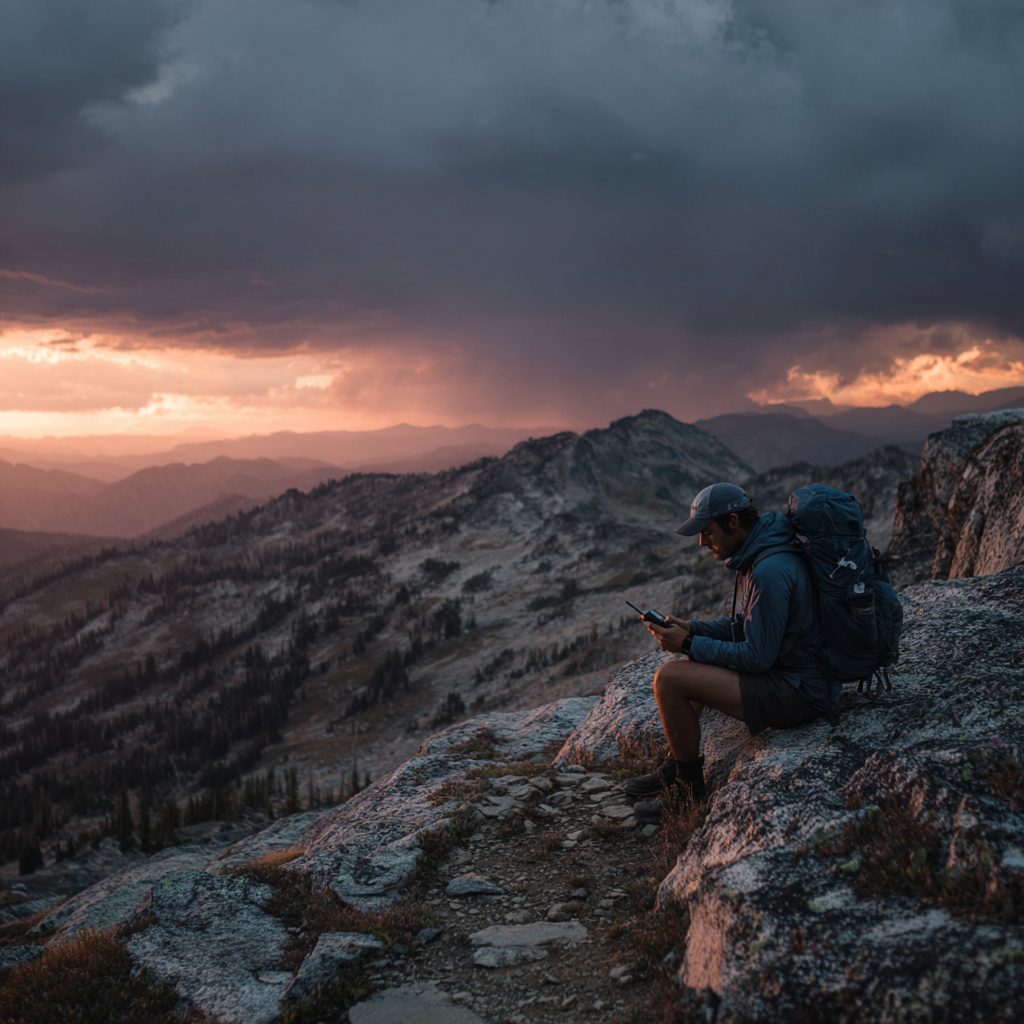
Know When to Call for Help & When to Move on Your Own
One of the hardest parts of outdoor emergencies is deciding when to call for rescue and when to try and get out on your own.
These decisions can carry serious consequences, and you often have to make them with limited information and high stress.
Have a System Before the Stress Starts
Build a simple process to help you make better calls when things go wrong. Think through the severity of injuries, the weather, the strength of your group, your supplies, and how easy or hard it will be for someone to reach you.
Practice running through these choices before you need to make them for real. Talk with your adventure partners ahead of time about what each person is comfortable with, how you will communicate, and who makes the final call when the clock is ticking.
Make the Most of Your Gear
Today’s tools give you ways to reach help from far off the grid. Satellite devices, personal beacons, signal boosters, and radios all have different roles. But each one comes with limits.
Know where they work. Learn how to use them before you pack them. Understand how fast they get a response, and what kind of message they send. Do not carry tools you have not tested.
Move or Stay?
Sometimes, getting yourself out is safer than waiting. But not always. The key is knowing your group’s real limits.
Is the weather turning worse?
Can you navigate under pressure?
Do you have enough supplies to move?
If you decide to move, leave a clear marker and note your planned route. Stay visible. And remember that movement burns energy and carries risk. Make that choice only when you are sure it gives you better odds.

What Comes Next
Outdoor emergency preparedness connects the practical with the adventurous. It takes the core ideas from home and vehicle readiness and adds the skills and mindset needed for wild, remote places where self-reliance matters most.
You do not need to become an expert overnight. Just start small. Build a strong day hike kit. Learn a new skill.
Choose gear that works whether you are camping on purpose or staying out longer than planned.
Preparedness means freedom. It gives you confidence to explore without second-guessing every choice. It means knowing that if plans change or things go sideways, you have the tools and the mindset to handle it.
Next week, we will talk about everyday preparedness and how the same skills that work in the wild help you make better decisions under stress in daily life. We will also share the first details of the full preparedness guide that ties this entire series together.
What outdoor emergency situation makes you pause before you go?
Drop your thoughts in the comments and let us learn from each other’s close calls and smart choices.