We may earn money or products from the companies mentioned in this post, but this does NOT cost you anything extra! Check out my full disclosure for more info.
Here is something that I like to share with people, don’t forget your vehicle can do more than just drive!
Your car is not just a way to get from point A to point B. In the right moment, it becomes your shelter, your lifeline, and your way out of a bad situation.
Sure, most drivers carry the basics like jumper cables and a spare tire. But real vehicle preparedness goes way beyond that.
After years of responding to roadside emergencies and logging countless miles in my converted RAV4, I can tell you this. The people who handle breakdowns and detours with confidence are the ones who think ahead. They do not carry everything under the sun.
They carry the right things.
You do not need to fill your trunk with gear. What you need is a solid plan, a few smart tools, and a kit built around the emergencies that actually happen.
Just Need the Essentials?
If you are looking for a quick overview, here is what this post covers:
- The gear most drivers forget but really need for emergencies
- How to build a minimalist vehicle emergency kit that actually fits in your car
- Seasonal changes that keep your kit relevant all year
- What to do when navigation and communication tools fail
- The best ways to stay safe if you break down in a risky spot
- Real-world tips to keep your emergency plan routine and ready
You can jump to the section that fits your needs or scroll through the full post for the complete guide.
Beyond Basic Roadside Assistance
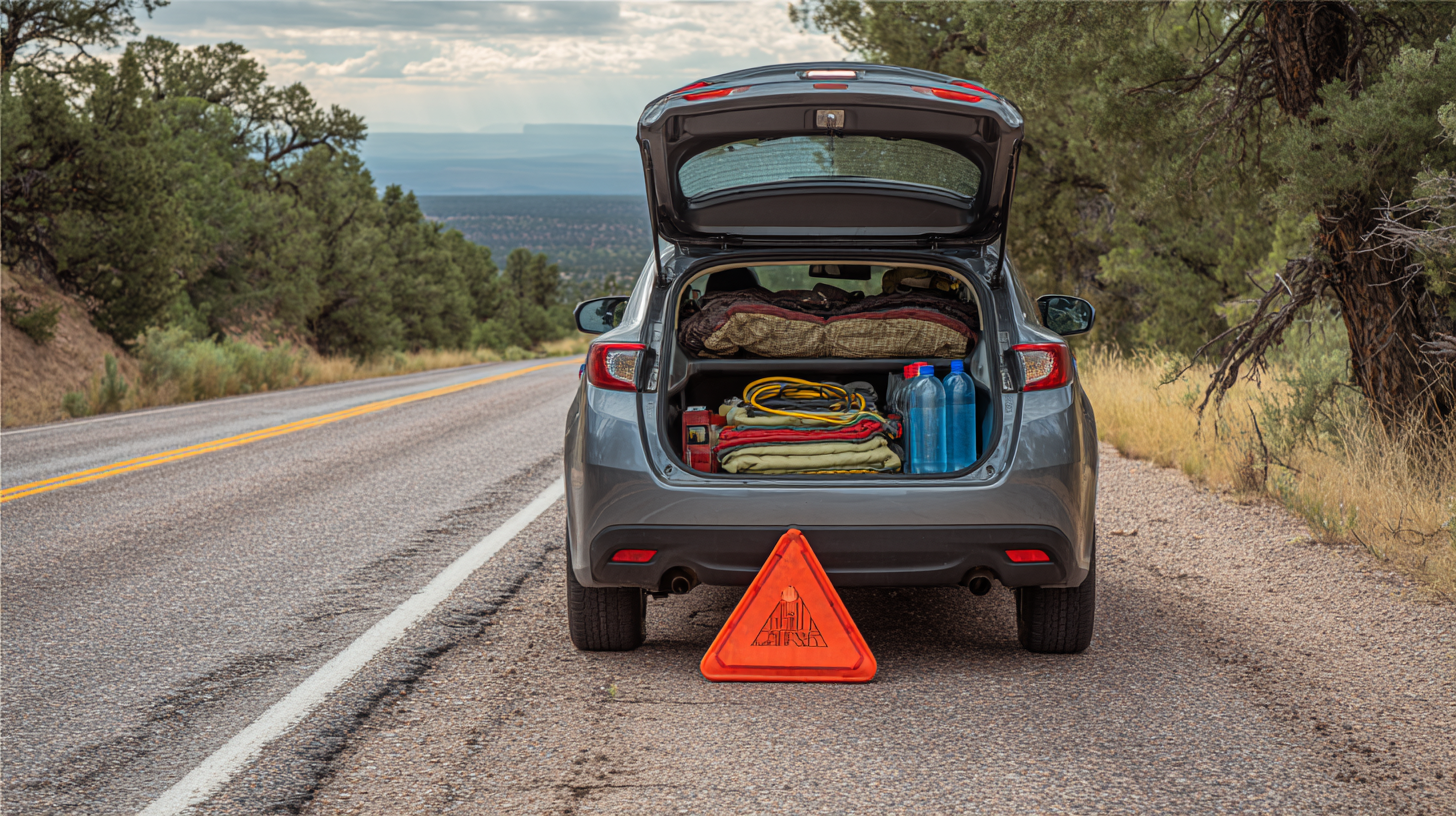
Most roadside kits focus on one thing. Getting the car moving again. That means jumper cables, a tire plug kit, maybe a flashlight if you are lucky. And while those tools are absolutely worth having, they only cover a small slice of the problems you might face on the road.
What happens when the tow truck takes hours?
What if you are stuck in freezing rain or brutal heat?
What if you are out of cell range and completely on your own for a while?
This is where real vehicle emergency prep comes in. When you start thinking of your vehicle as a temporary shelter, everything changes. Your gear is not just about fixing the car. It is about taking care of yourself and anyone with you until help arrives.
A complete kit should prepare you for four main situations:
- Mechanical issues that stop your vehicle
- Getting stranded without immediate rescue
- Medical situations that happen on the road
- Bad weather makes staying put the safest choice
The good news is that you do not need separate gear for each one. With the right choices, a few items can handle more than one task and still leave you with plenty of cargo space.
The Minimalist Vehicle Kit
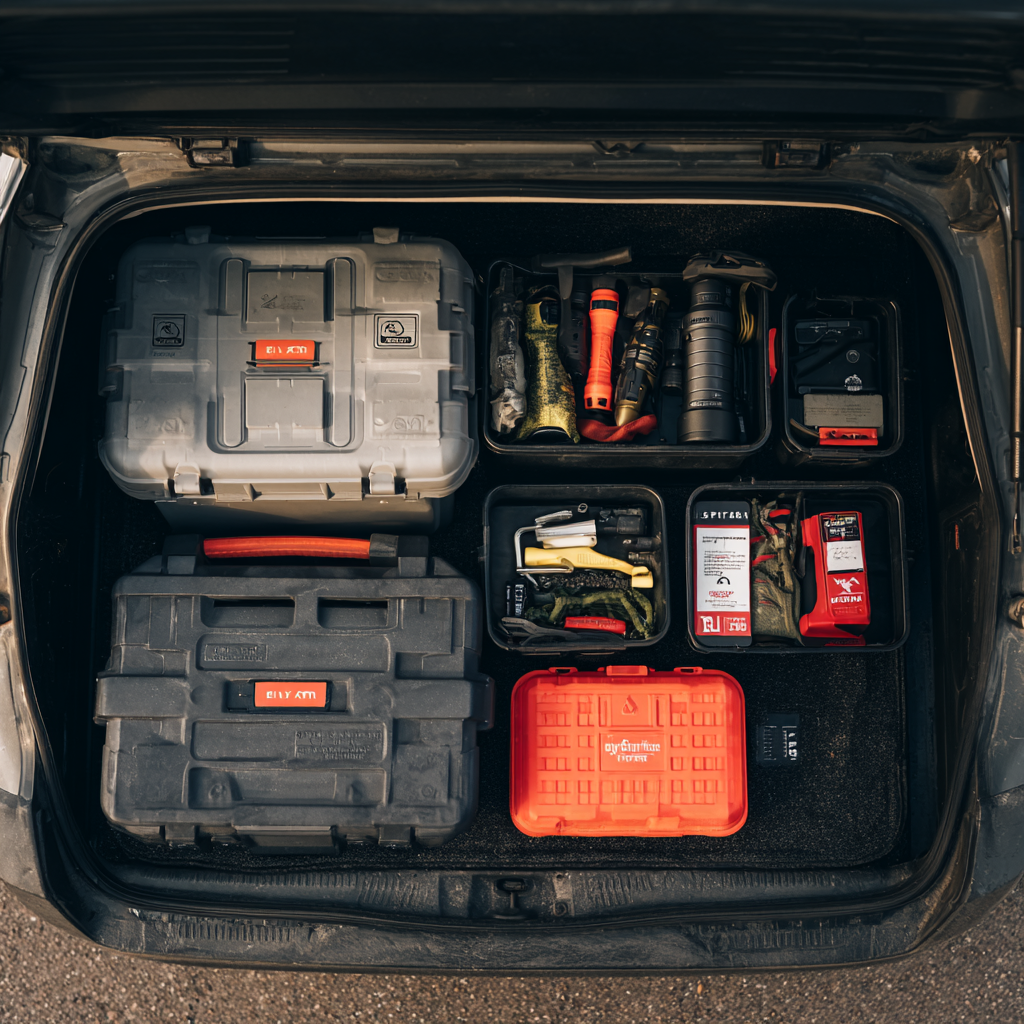
Space inside a vehicle is limited, especially if you use it for both daily errands and weekend escapes.
You want to look for gear that serves more than one purpose and prioritize based on what is most likely to happen and what would have the biggest impact.
Power and Communication
A compact jump starter (I’ve been using this one) means you do not have to rely on strangers for help. Many models now include USB ports, emergency lights, and even air compressors. Just make sure the one you choose works with your engine size.
Keep a car charger for your phone. If you go off-grid often, consider adding a foldable solar panel. A phone is your best tool for directions and help, but it is useless if the battery is dead.
Visibility and Signaling
Use reflective triangles or LED road flares to mark your location. These help prevent accidents while you wait for assistance. Place them about one hundred feet behind your vehicle on a highway to give other drivers time to react.
A high-visibility vest is a smart addition. Make sure it is bright, fits over bulky clothing, and meets standard safety guidelines.
Basic Repairs and Tools
A good multi-tool is worth its weight. Add in electrical tape, zip ties, and a tire pressure gauge. These small items can fix a lot of minor problems and keep you moving.
Modern cars often skip the spare tire. A tire repair kit with sealant and a portable air pump can save the day. Make sure you know how to use them before you need to.
First Aid That Works on the Road
Vehicle kits should be ready for more than just scrapes. Include supplies for cuts, burns, and shock. Pack any medications you or your passengers rely on, and remember extras like glasses or contacts.
Comfort and Shelter
Your car may be the only protection you have if help is hours away. Pack emergency blankets or a sleeping bag that can handle the worst weather you might face. Include extra clothes like gloves, a hat, and waterproof layers.
For food and water, go with simple and shelf-stable. Granola bars, jerky, and canned meals work well. Store enough water for everyone who usually rides with you, plus a little extra.
Adjust with the Seasons
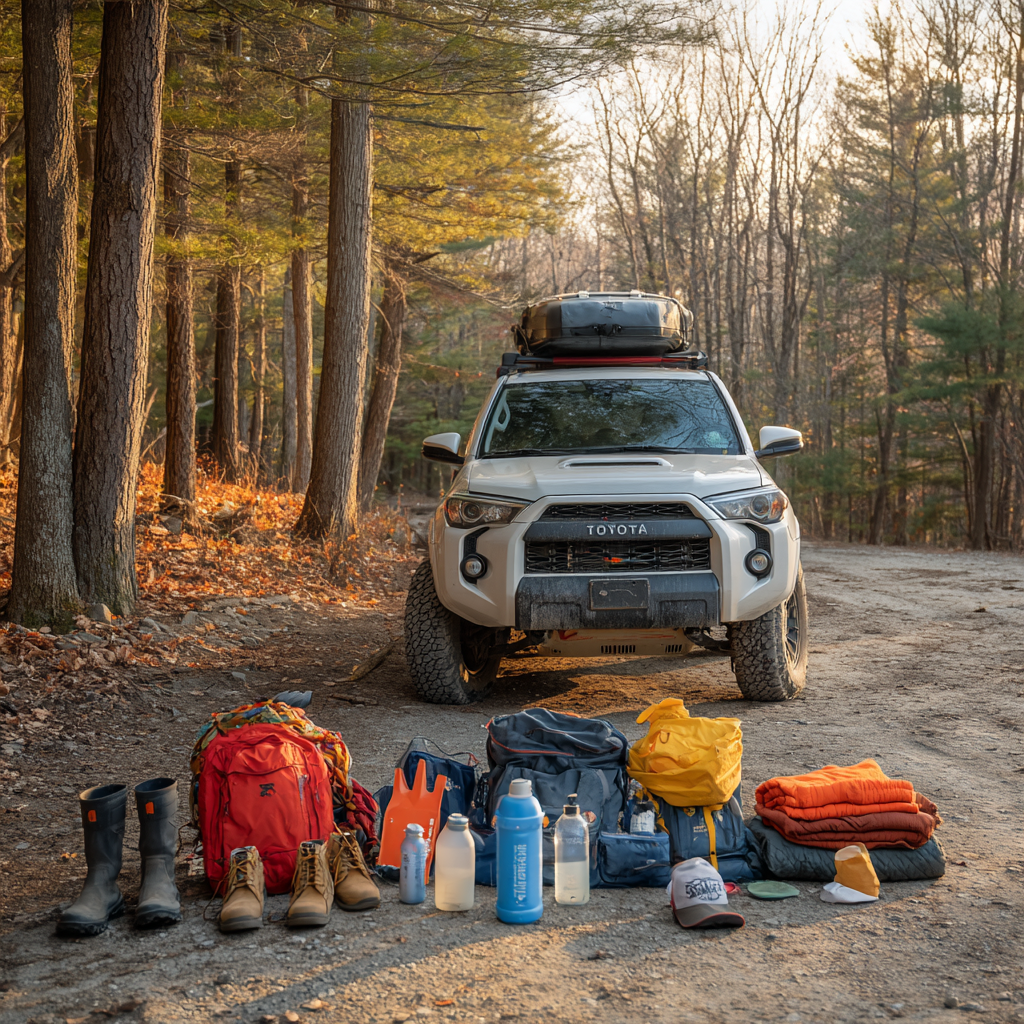
Your vehicle emergency kit should not stay the same year-round.
Making seasonal updates helps you stay prepared without overloading your vehicle with gear you do not need.
Winter Readiness
Cold weather creates serious challenges fast. Keep a folding shovel to dig out snow, a scraper and brush for ice, and something for traction like sand or kitty litter. Warm layers are not optional. Pack gloves, a hat, and insulated boots.
Add heat support items like hand warmers and thermal blankets. Just be smart with anything that burns. Never use a camp stove or open flame heater inside your vehicle.
Summer Survival
Hot weather brings its own risks. Engines overheat. Tires blow out. People dehydrate quickly. Carry extra water, sunscreen, and drinks with electrolytes. Include spare coolant and oil if your car tends to run hot.
A simple sunshade for your windshield makes a big difference. If you are stuck in full sun, it keeps the cabin cooler. A small battery-powered fan can help with airflow if you need to wait out the heat.
Think About Where You Drive
Match your gear to your regular routes. If you drive through the desert, bring extra water and serious sun protection. For mountain roads, pack tire chains and be ready for altitude changes. Near the coast? Use waterproof containers and gear that will not rust.
Know Your Ride
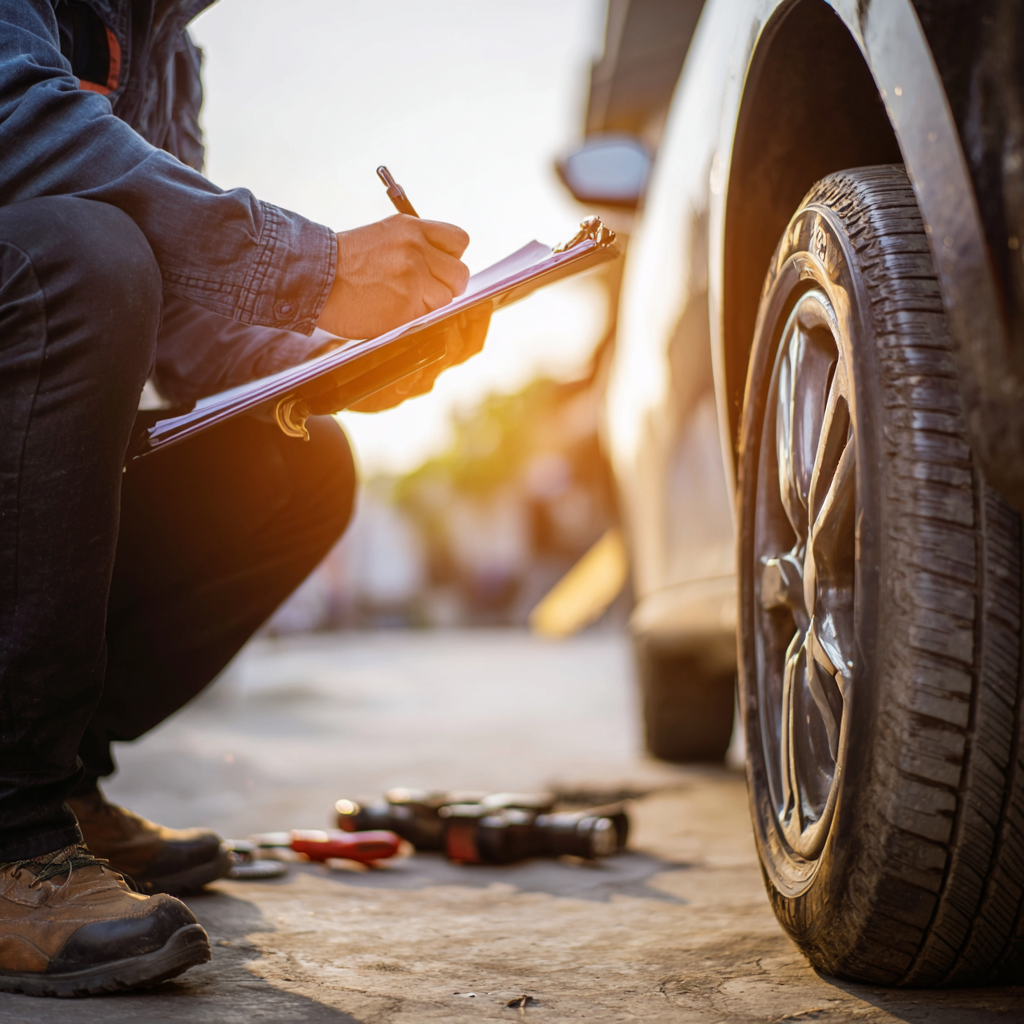
Even the best gear will not help if you do not know how to use it.
A little vehicle knowledge goes a long way in preventing problems and making smart decisions when they happen.
Stay Ahead with Maintenance
Most roadside issues are preventable. Check your fluids regularly, which includes the oil, coolant, brake fluid, and washer fluid.
Monitor tire pressure and look for worn tread. Replace belts and hoses when they show signs of cracking or fraying.
Keep a simple log of what you have checked and when. This kind of routine care keeps small issues from turning into major breakdowns.
Learn the Basics
You do not need to be a mechanic, but knowing a few fundamentals makes a big difference. Learn why a car might not start. Know what your warning lights mean. Understand the basics of your battery, fuel system, and electrical connections.
This kind of knowledge helps you troubleshoot fast and talk clearly with roadside assistance or a mechanic. It also helps you stay calm when something does go wrong.
Respect the Limits
Know what your vehicle can handle. If you drive a compact car, avoid terrain made for four-wheel drives. If your tires are not rated for snow or mud, do not push them there. Understand your ground clearance, your traction systems, and how your car handles rough weather or bad roads.
Preparedness is not just about gear. It is about knowing when to say no and turn around.
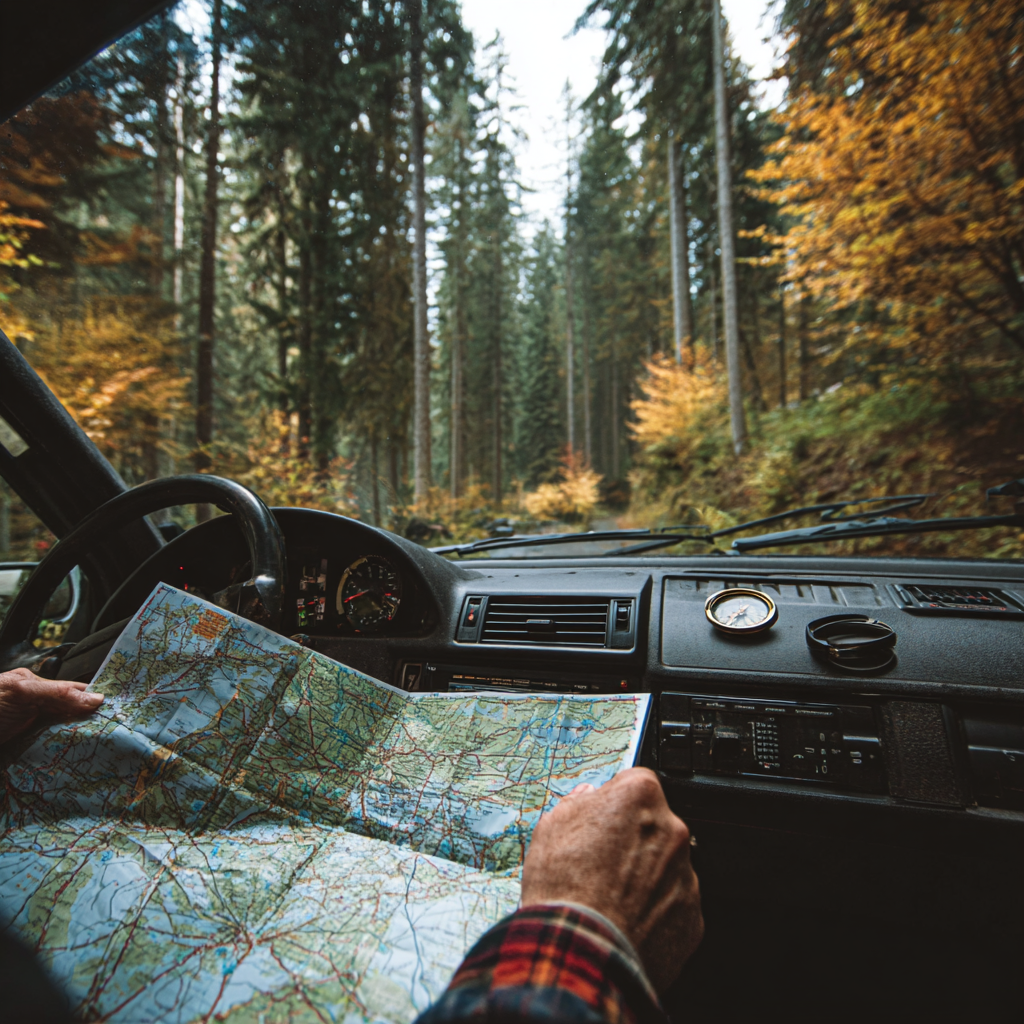
GPS and smartphones make navigation easy. Until they stop working. Dead batteries, no signal, or software glitches can leave you stuck without direction. That is why it still pays to have backup tools and the skills to use them.
Old School Still Works
Keep paper maps of the areas you drive often. Add a simple compass that never needs charging.
Learn how to read topography, understand map scale, and follow road systems. These skills are not difficult, but they take practice.
Try using a map now and then to stay sharp. In an emergency, you want to be confident, not guessing.
Use What You Can See
Get to know your surroundings. Which direction do the mountains sit? What river or ridge marks the edge of your route? Recognizing major features gives you built-in tools for finding your way without relying on tech.
Stay Connected When Phones Fail
If you drive through remote areas, bring a two-way radio. Choose one that includes emergency channels and weather updates.
If you travel far from civilization, consider a satellite communicator. These small devices allow texting and emergency contact without a cell network. They cost more, but they work when nothing else does.

When Your Vehicle Becomes Shelter
Sometimes the best thing you can do is stay put.
Your vehicle offers protection from the elements, makes you easier to spot, and gives you access to everything you have packed. Walking for help is rarely the safer option.
Stay Warm or Cool
Your vehicle can hold heat or block sun better than you might think.
In cold weather, insulate windows with blankets or emergency bivvy sacks. In hot weather, crack the windows for airflow and use sunshades to block direct sunlight.
If needed, run the engine in short intervals for heat or air conditioning. Just make sure the exhaust pipe is clear and never run the engine in a closed space. Keep an eye on fuel levels and use energy sparingly.
I have spent more than a few nights in my RAV4 conversion and can tell you firsthand—small things like airflow and insulation make a big difference.
Want to see how I converted my RAV4?
Make Yourself Visible
Help cannot find you if they cannot see you. Raise your hood. Tie a bright cloth to your door handle or mirror. Use reflectors or mirrors to signal during the day, and flashlights or LED flares at night.
During daylight, bright colors catch attention. After dark, lights are your best friend. Use what you have to stay safe and stay seen.
Stay Safe During Roadside Emergencies
Vehicle trouble never happens at a good time.
Whether you are on a crowded highway, in a remote area, or dealing with rough weather, what you do in the first few minutes matters most.
Get Out of the Danger Zone
If your vehicle can move, get it completely off the road.
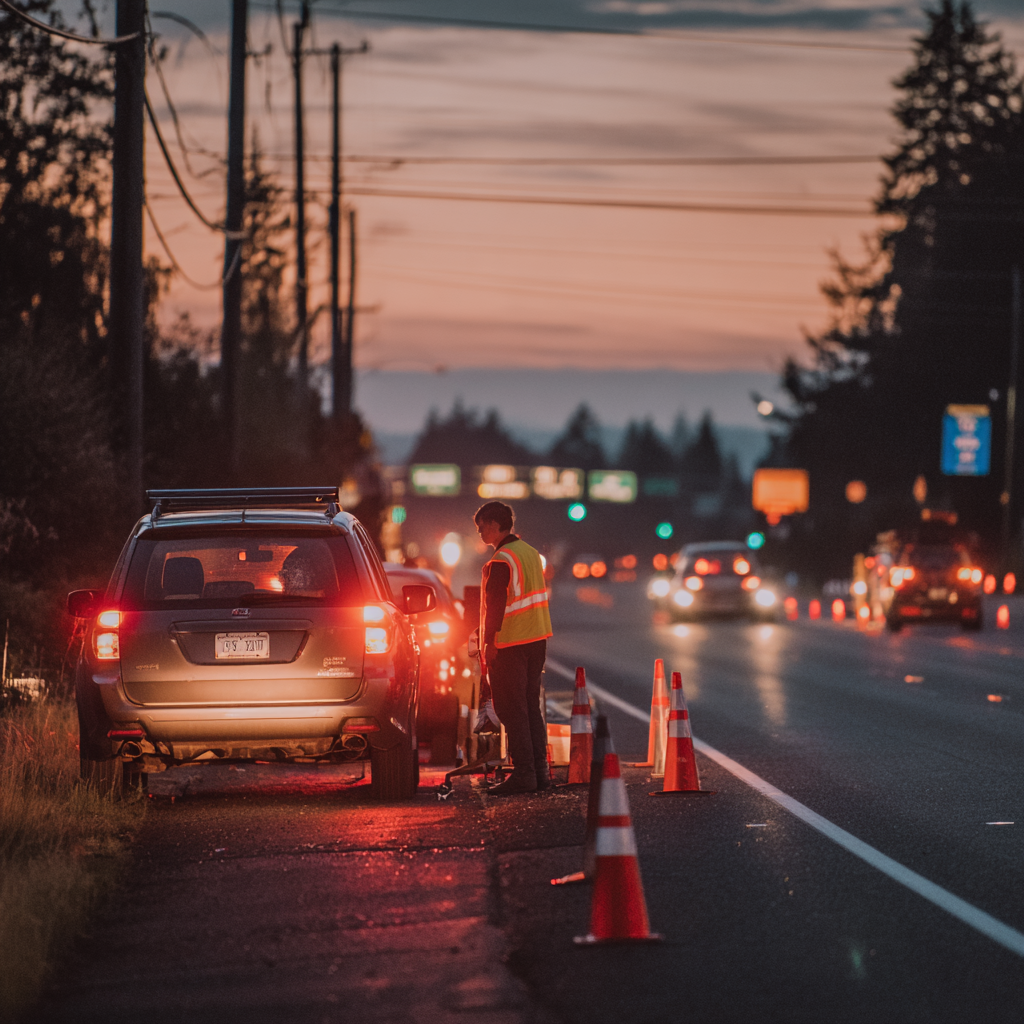
If that is not possible, pull as far to the right as you can and turn on your hazard lights. If you must leave the vehicle, step out on the side that faces away from traffic.
If you are stuck on a busy road, stay inside your vehicle with your seatbelt on. More people are injured by passing traffic than by the original mechanical issue. If you must exit, do it quickly and move away from the road and the vehicle.
Let Someone Know
Call for help as soon as it is safe to do so. Use mile markers, exit signs, or GPS to give your exact location. Be clear about your situation. Say if it is a breakdown, a medical issue, or a safety concern.
No service? Think before walking.
In most cases, staying with your vehicle is safer. Only walk out if you are sure help is nearby, the conditions are good, and you are physically ready to make the trip.
Common Vehicle Emergency Mistakes
After years of seeing how people react under pressure, some mistakes come up again and again. Avoiding them can make all the difference in how an emergency plays out.
Leaving the Vehicle Too Soon
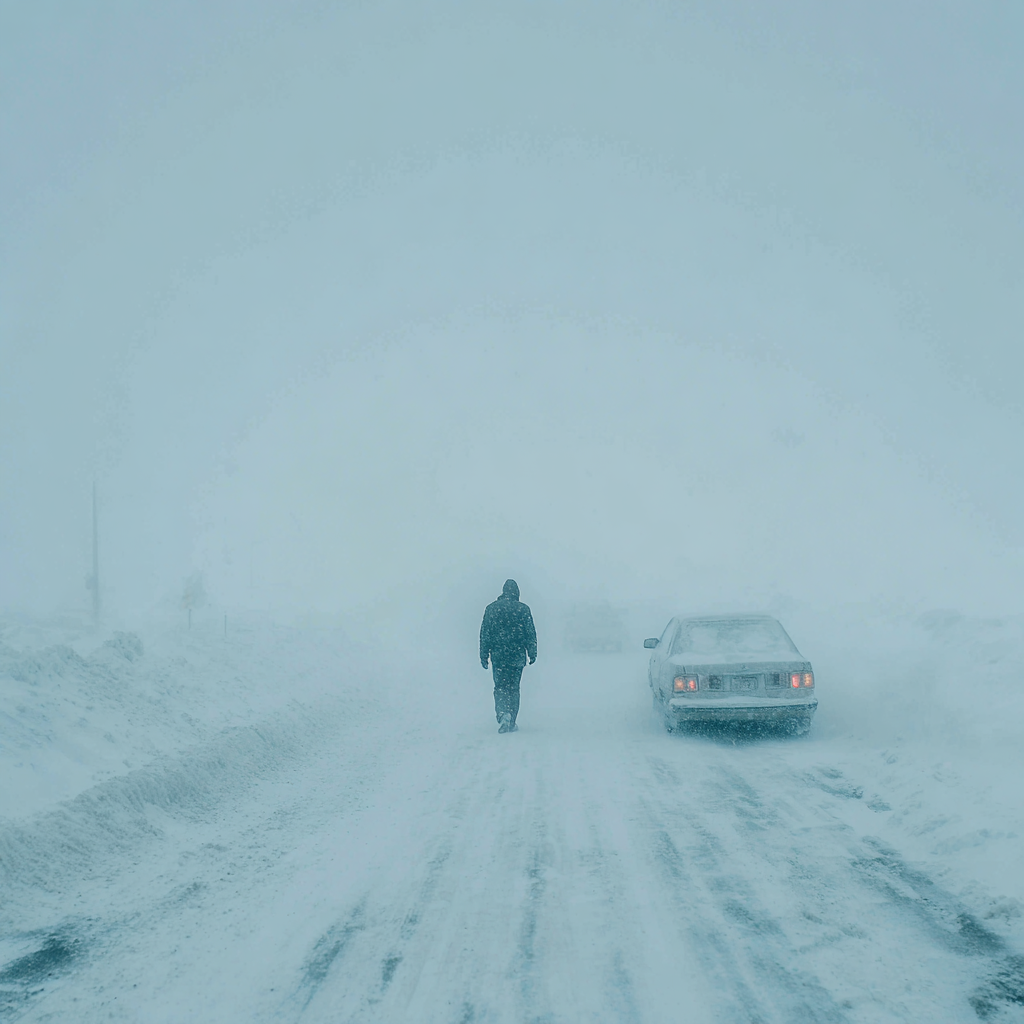
One of the most common and dangerous choices is walking away from the vehicle too early.
Your car is easier to see than you are, it holds your supplies, and it shields you from the elements. Unless help is clearly nearby and walking conditions are safe, stay with the vehicle.
Weak or Missing Signals
Many people set out one triangle and assume it is enough. It is not. Use multiple tools to make yourself seen. Combine hazard lights, reflective triangles, bright cloth, or LED flares. Think about visibility for both drivers and potential air rescue.
Not Knowing Where You Are
Location matters. When possible, take note of mile markers, exit signs, or landmarks before something goes wrong. That information makes it much easier for responders to find you fast.
Misusing the Engine
Carbon monoxide is silent and deadly. Never run your engine with a blocked exhaust pipe or inside a closed space. Always check for snow, mud, or debris around the tailpipe before starting the car to warm up or run the air.
Keep Your Kit Ready
Vehicle preparedness should not be something you set up once and forget. It works best when it becomes a small part of your normal routine.
Check your kit every season.
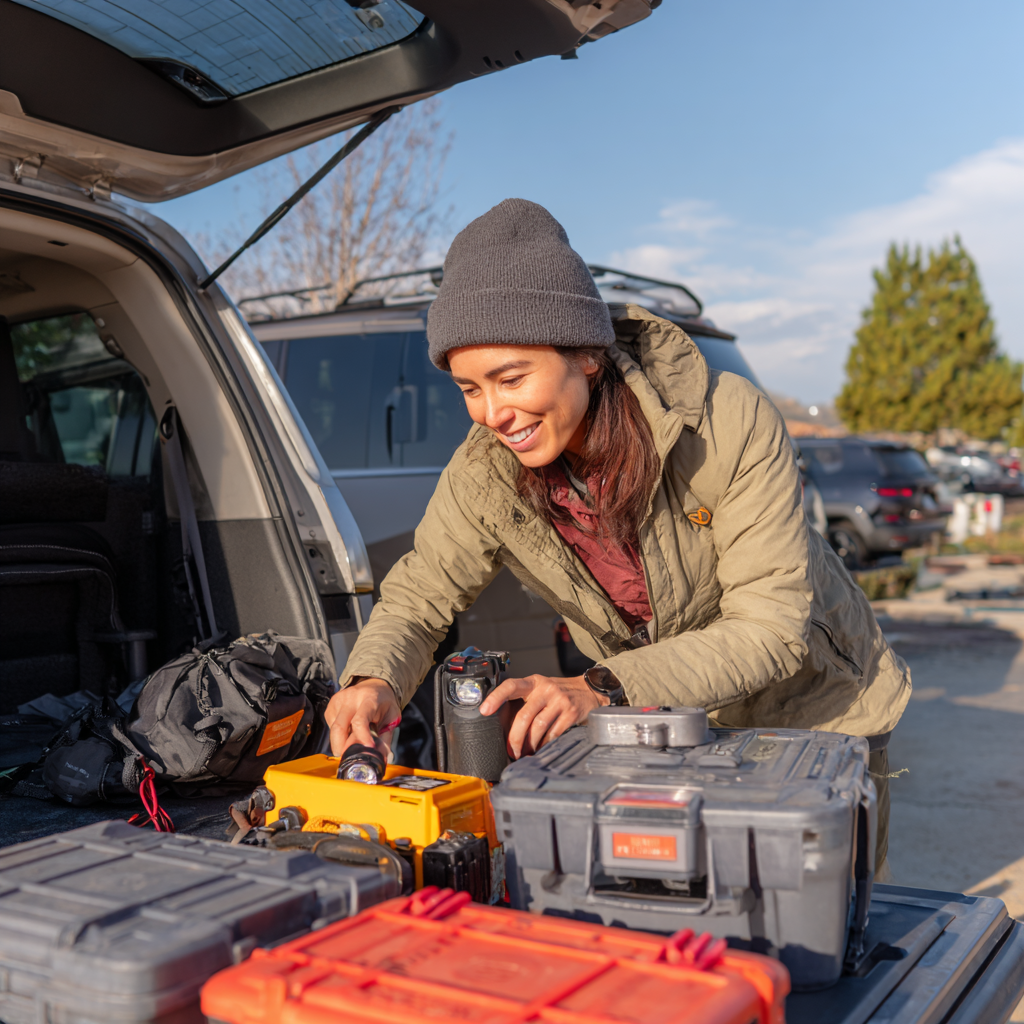
When you swap out clothes or camping gear, take a few minutes to rotate food, refill water, and test anything with a battery. Make sure everything still works and nothing has wandered off or expired.
Use your gear before you actually need it.
Practice changing a tire in your driveway. Try setting up your emergency shelter on a calm afternoon. Turn on your signaling gear just to see how it works. The more familiar you are with your tools, the faster and calmer you will be when real problems show up.
Finally, keep your gear where you can reach it, but not where it can become a hazard. Avoid tossing it loose in the trunk or on a seat. A sudden stop should not turn your flashlight into a projectile.
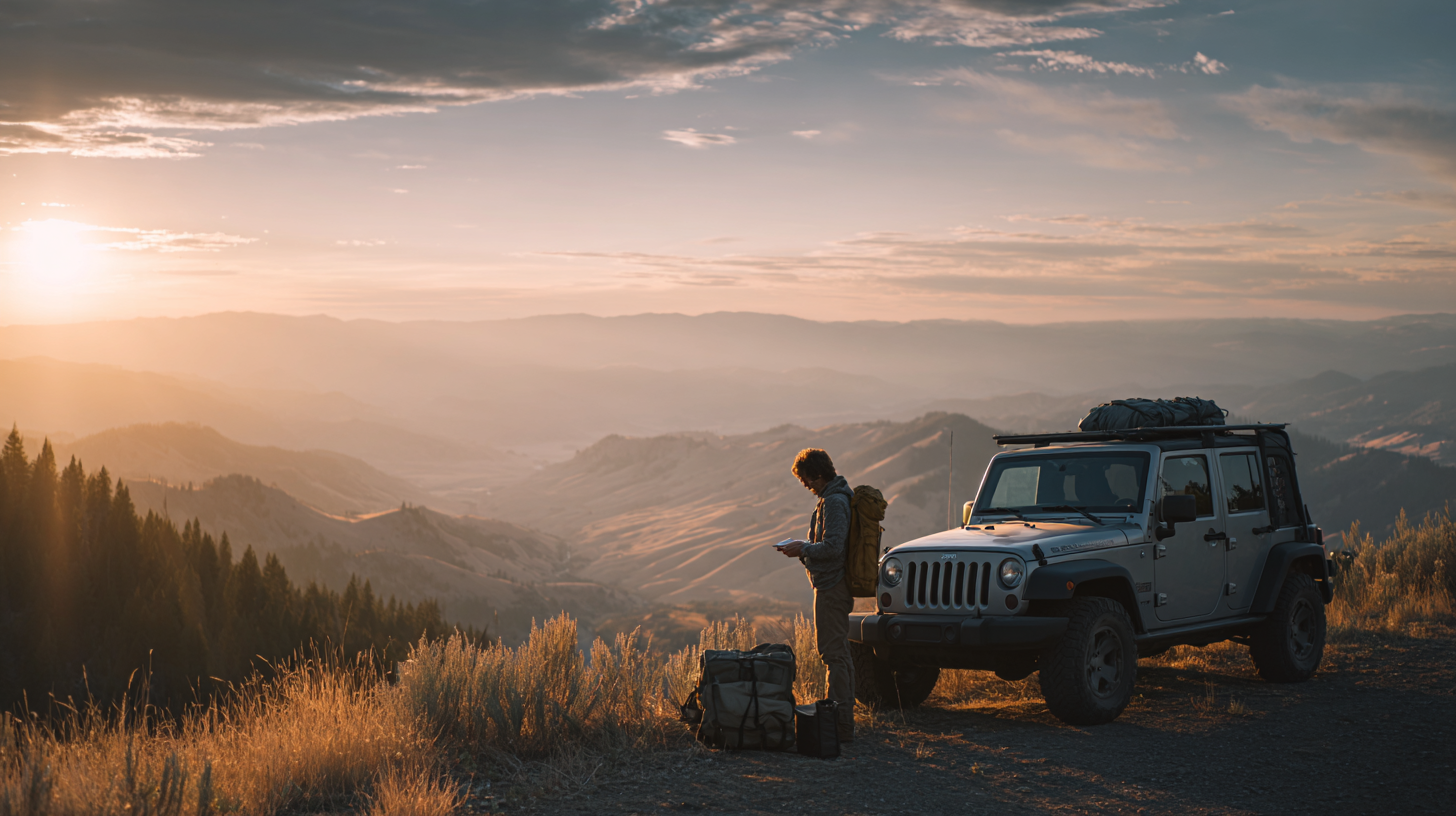
Planning for the Unexpected
Vehicle emergencies do not wait for perfect timing. They test your preparation, your mindset, and your ability to make smart decisions under pressure.
You are not trying to prepare for every possible scenario. You are building the confidence and capability to handle the most likely ones and to adapt when things do not go as planned.
Your vehicle kit should grow with how and where you drive. A highway commuter has different needs than someone driving into the backcountry. As your routes change, so should your gear.
Preparedness is not about perfection. It is about being ready enough to stay calm, stay safe, and keep moving when challenges come up.
Next week, we will head into the outdoors. Emergency preparedness for adventure and wilderness settings blends everything we have covered so far with the kind of skills built for trails, camps, and remote travel. You will get practical tips for gear that works in both adventure and emergency settings, how to navigate without technology, and how to stay in control when things go wrong in the wild.
What vehicle emergency situation have you faced, or what concerns you most?
Drop your stories or questions in the comments and let us learn from each other out on the road.