We may earn money or products from the companies mentioned in this post, but this does NOT cost you anything extra! Check out my full disclosure for more info.
When most people hear the words emergency preparedness, they picture underground bunkers, gas masks, and shelves packed with five years of freeze-dried stew.
Which, if you ask me, is awesome, but real-life emergencies look a whole lot different.
After spending years responding to all kinds of calls as a law enforcement officer, I can tell you the truth. The situations that catch people off guard the most are not the end of the world. They are much simpler.
Power goes out. A storm rolls in and knocks out the grid. Someone gets hurt, and help is not immediately available. The heat stops working on the coldest night of the year.
These are the things that throw everyday life into chaos.
Here is the best part. You do not need to become a full-time survivalist to be ready for these situations. You do not need to drop a few thousand dollars at a gear store or fill your garage with crates of mystery food.
What you need is a clear plan and a few well-thought-out supplies. A simple and practical approach that helps you stay calm when things go sideways.
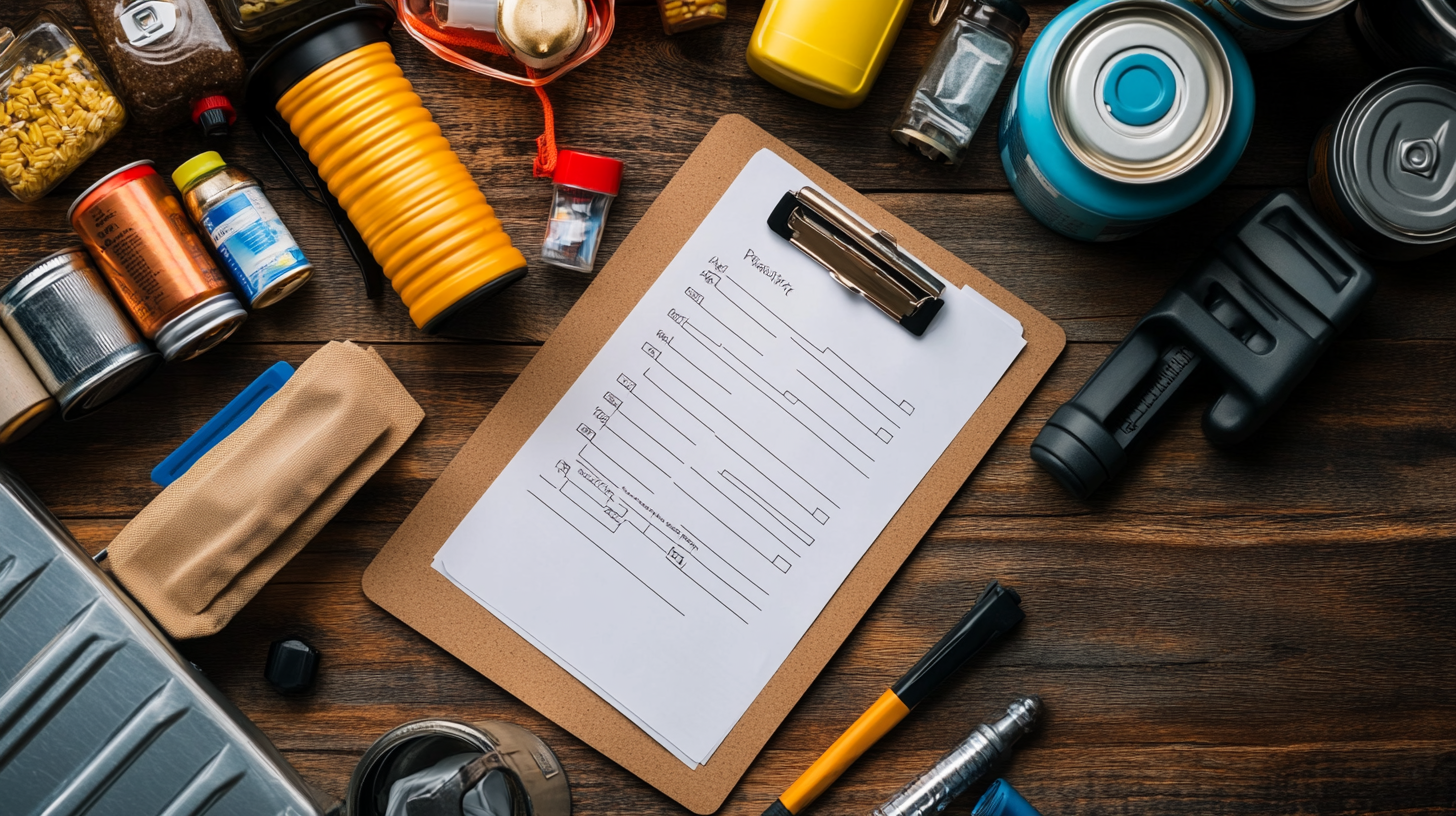
Short On Time?
Here’s a quick breakdown of what’s ahead. Use the Jump to a Section links to skip straight to what you need or keep scrolling to read the whole thing.
- How to prep your home without going full survivalist
- What most people get wrong about home emergencies
- The gear that solves the most problems with the least space
- How to build a home emergency kit with tools you will actually use
- Setting up safety zones and escape plans that work in real life
- Creating a simple communication plan that keeps your family connected
- Managing stress and staying calm when it matters most
- Mistakes to avoid that can undo even the best intentions
- How to keep your setup running without turning it into a chore
Pick the part that matters most to you, or read the full post for the complete guide.
Understanding Home Vulnerabilities
Every home has its soft spots. But they are not always where you would expect.
Back when I was in law enforcement, I responded to a lot of calls during power outages, storms, and other everyday disasters. I started to notice a pattern. The homes that stayed calm, even when the lights were out or help was delayed, had a few simple things in common.
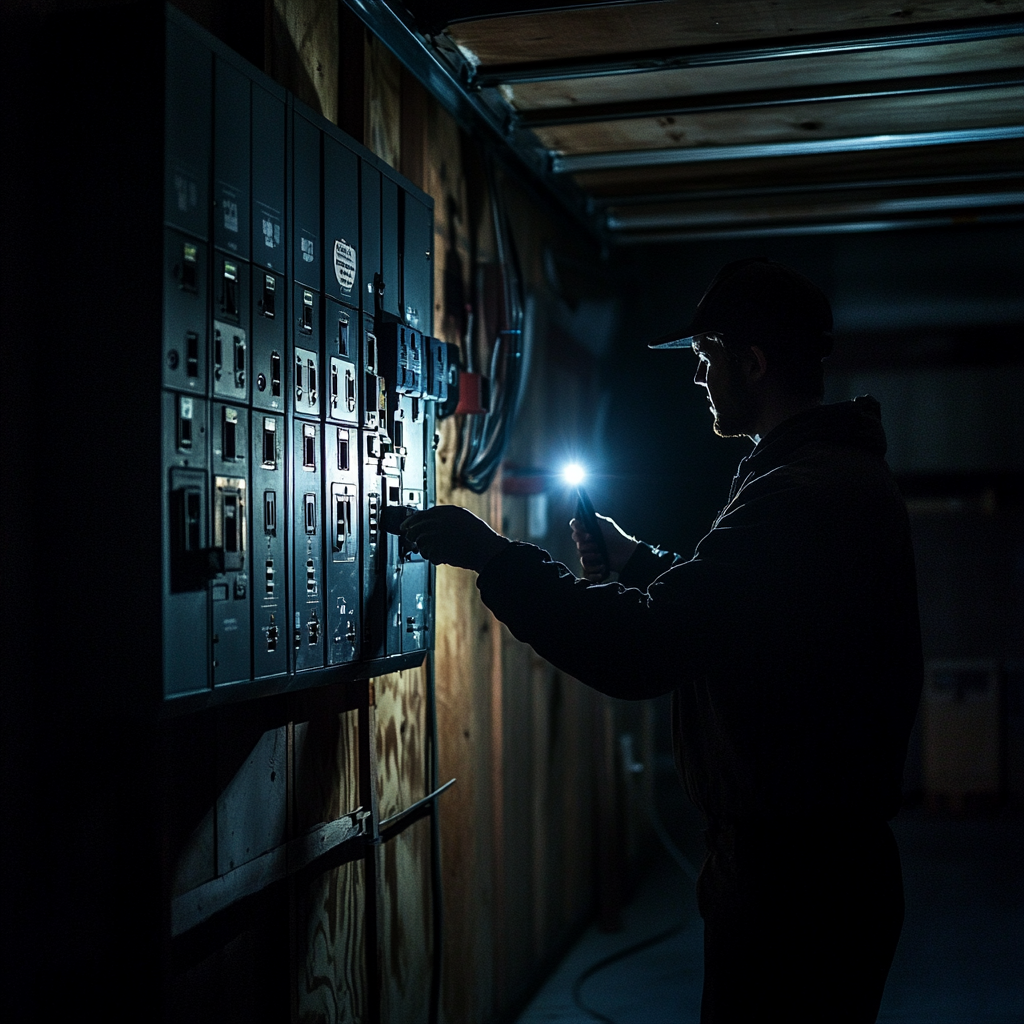
They had working flashlights in easy reach. They knew exactly where the breaker box was. They kept important documents organized and easy to grab.
The homes that were not ready were full of people searching in the dark, asking each other where the batteries were or trying to remember where they put the insurance folder last year.
Your home’s weak spots will depend on where you live, how your home is built, and who lives there. If you have young kids, your needs are not the same as someone who lives alone. If someone in your house uses medical equipment that needs power, your planning should reflect that.
Take a few minutes and walk through your space.
Think about what could go wrong and what you would do if it did.
Where would you go during a storm?
How would you stay in touch if phones stopped working?
What if the furnace stopped working in the middle of the night?
These are not over-the-top fears. They are smart questions. And asking them now makes all the difference later.
The 80/20 Rule of Home Preparedness
About eighty percent of the emergencies you might deal with at home can be handled with just twenty percent of the gear most checklists tell you to buy.
This one idea might just completely change how you start looking at being prepared.
Instead of trying to cover every what-if under the sun (I speak from experience), focus on the items that solve the most problems.
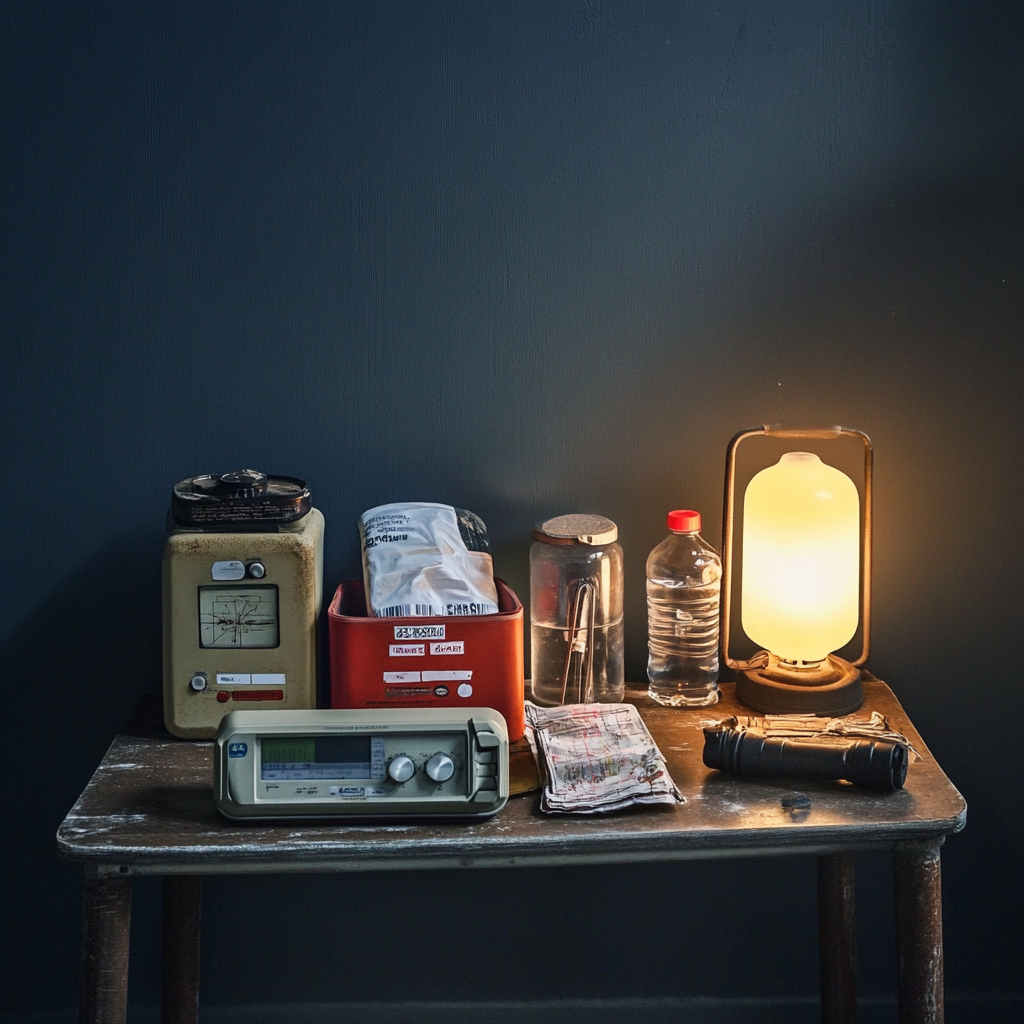
A quality flashlight will help during blackouts, storms, or that moment when something goes bump in the night. A battery-powered radio keeps you informed when the power is out or when you are stuck without cell service. These are not flashy or expensive tools. They just work. Every time.
You want to choose gear that earns its place in your home.
Bonus points if it can do more than one thing. You want it to be easy to store and make sense for how you live. This way of thinking fits perfectly with a minimalist lifestyle. And more importantly, it sets you up to handle real problems without turning your closet into a gear warehouse.
Build a Kit That Actually Works
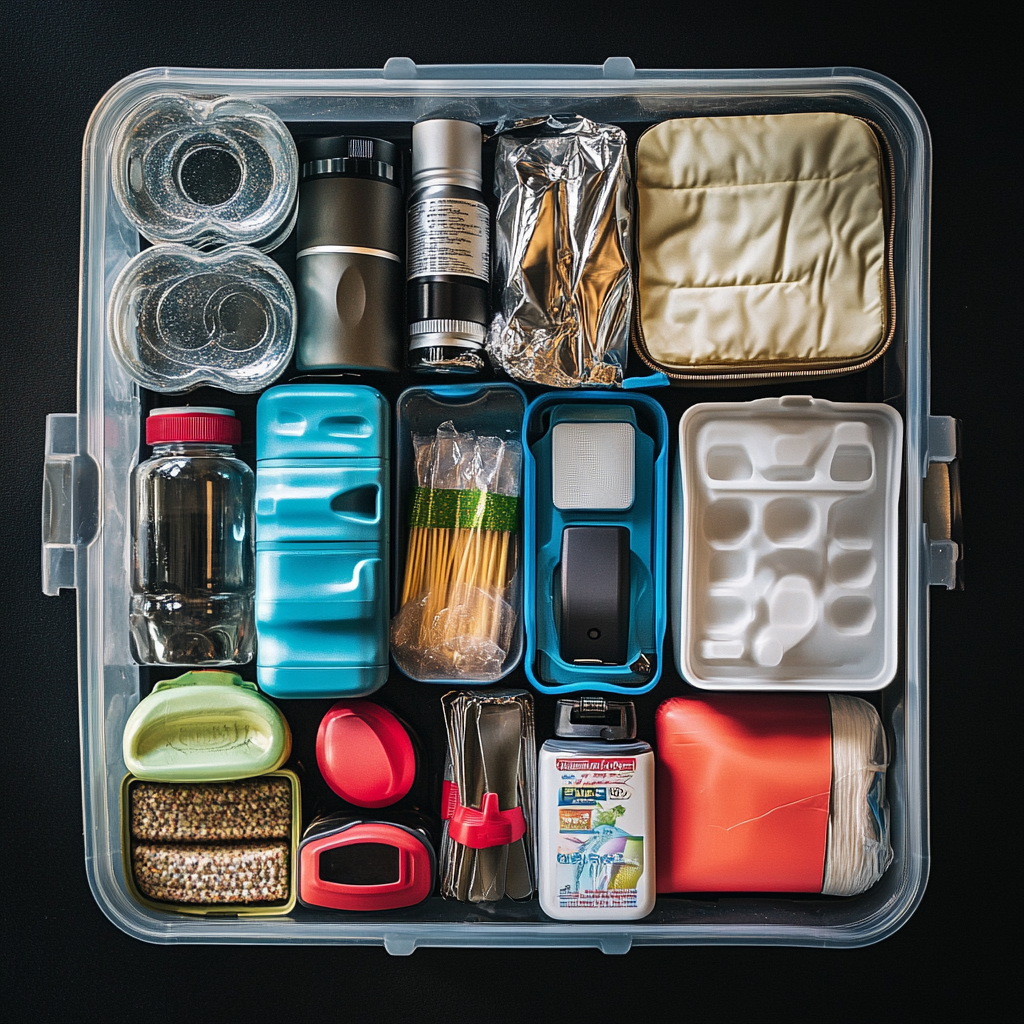
Most emergency kits look good on paper but fall apart in real life. They either take up too much space or include items that will never see the light of day.
A smarter way to prepare is to focus on gear that does double duty. Think of everyday tools that happen to shine when things go sideways.
Water
Plan for at least one gallon of water per person per day, and aim for a minimum of three days’ supply.
That is your starting point. But water is too important to stop there. Add a reliable water filter that can handle both city tap and natural sources. Whether it is a boil advisory or a busted pipe, you want options.
Food You Will Actually Eat
Skip the buckets of mystery meals that sit in the garage for decades. Focus instead on shelf-stable foods your family already enjoys.
Things like canned chili, pasta, rice, and peanut butter. Rotate them into your normal meal routine and restock as needed. That way, your kit stays fresh and familiar.
Do not forget a manual can opener!
Also, think about how you will cook. A small camp stove with propane canisters works great for heating meals or boiling water when the kitchen is off limits. I’ve done this more times I can count (recently, I’ve had my power shut off more times than I can count, thanks to PG&E. But I won’t go into how frustrating they are.)
Staying Powered and Informed
Look for a combo flashlight and radio that charges with a hand crank and solar panel. One tool, multiple jobs.
Add in a few power banks to keep phones alive and a small solar charger if the outage might last more than a day or two.
I’ll be honest, this has been something I’ve been into for a while. I really like the Jackery and Anker batteries, and yeah… I’ve got quite a few of them.
Real First Aid
Build a first aid kit that is more than just a few bandages. Add in pain relievers, something for allergies, and meds for upset stomachs.
If anyone in your home takes prescriptions, include a few days’ worth in your kit. And if you wear glasses or use contacts, make sure backups are part of the plan.
And don’t forget about pets!
Documents and Backup Cash
Keep copies of your most important papers in a waterproof container.
This should include your ID, insurance info, key medical records, and contact lists. Add some cash in small bills. If card readers or ATMs go down, you will be glad you have it.

Know Your Home’s Safety Zones
Every part of your home has a role to play when things go wrong. Knowing where to go and what to do ahead of time can save valuable seconds when it really counts.
Shelter From Storms
Figure out where the strongest part of your home is.
For most people, that is an interior room on the lowest floor with no windows and solid walls. This is your go-to spot during tornadoes or severe weather. Stay away from wide open spaces like garages or rooms with big roof spans. Those are more likely to give way in extreme wind.
Fire Escape Routes
You should have at least two ways out of every bedroom. Windows should be easy to open. If you live above ground level, consider adding escape ladders and practice using them. And here is the part most people skip. Do a fire drill in the dark. House fires often happen at night, and smoke makes it nearly impossible to see.
Control the Utilities
Do you know where your breaker box is?
What about the main water valve?
How about the gas shutoff?
Label these clearly and make sure others in your home know how to use them. Being able to cut the power or shut off the gas in an emergency can stop one problem from becoming three.
Set Up a Communication Station
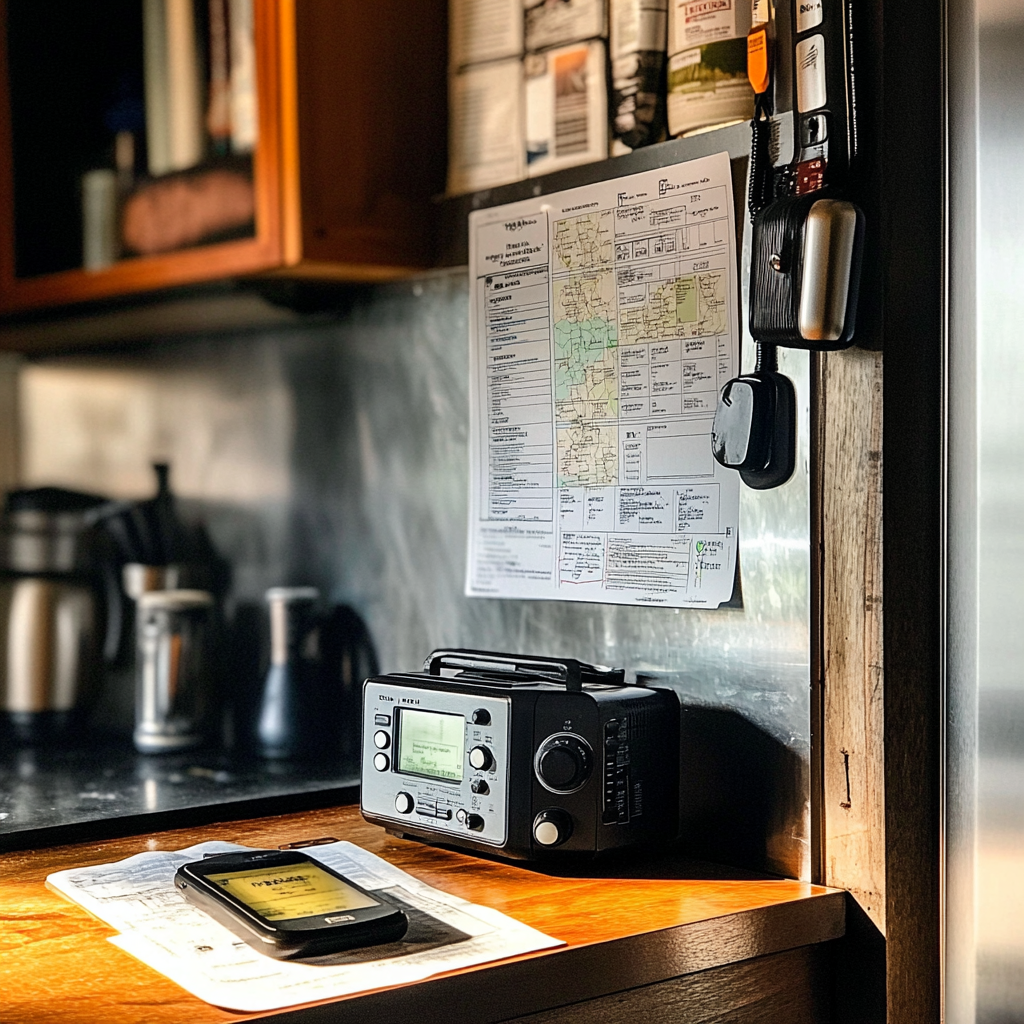
Pick one spot in your home where emergency updates will be handled. This is where you keep the radio, extra power banks, phone chargers, and your contact list. When things get chaotic, this helps everyone know exactly where to go for information and updates.
Want to put a plan together for your family? This post will help you get started.
Keep in Touch When Things Go Sideways
One of the biggest assumptions people make is that they will be together when trouble hits.
In reality, emergencies tend to show up at the worst times. During work. While kids are at school. When someone is running errands across town.
That is why you need a plan for how to connect when you are not under the same roof. This is also why you should have a family plan and practice it.
Have Someone Outside the Chaos
Pick one person who lives outside your immediate area to act as your family’s check-in point.
During local disasters, long-distance calls often work better than local ones. Everyone in your household should know this person’s phone number by memory. That includes kids.
Choose Two Meeting Spots
Set up two meeting points.
The first should be close to home. Think a neighbor’s house or the end of the block. This is for fast exits, like a fire or gas leak.
The second should be farther away, outside your neighborhood. That is your backup in case the area is not safe to return to. Make sure everyone knows these spots ahead of time.
Know the Plans at School and Work
If you have kids, look into the emergency rules at their school.
Who can pick them up? What happens during a lockdown?
Many schools have strict release policies, and you do not want to figure that out on the fly. Do the same with your workplace. Know your company’s policy on sheltering in place or evacuations.
Use What Still Works
When phones stop working, text messages usually still go through. They use less bandwidth and can get delivered even when calls cannot.
Social media check-ins or messaging apps that work on wifi are also useful tools. Pick one or two backup methods and go over them with your family now, before they are needed.
As a third backup, we use a shared Gmail account and write emails directly into Drafts. That way, anyone can open it up and read the message without needing to hit send.
Get Your Head in the Right Place
Being ready is not just about gear. Your mindset matters just as much.
The emotional and mental side of preparedness is often the part that catches people off guard. When something unexpected happens, staying calm and thinking clearly is what makes the biggest difference.
Keeping Calm When It Counts
Stress has a way of clouding judgment and slowing down even simple decisions. That is why practice matters.
When you walk through your emergency plans, you turn them into habits. The more familiar you are with your next step, the less energy your brain wastes trying to decide what to do under pressure.
Helping Your Family Stay Grounded
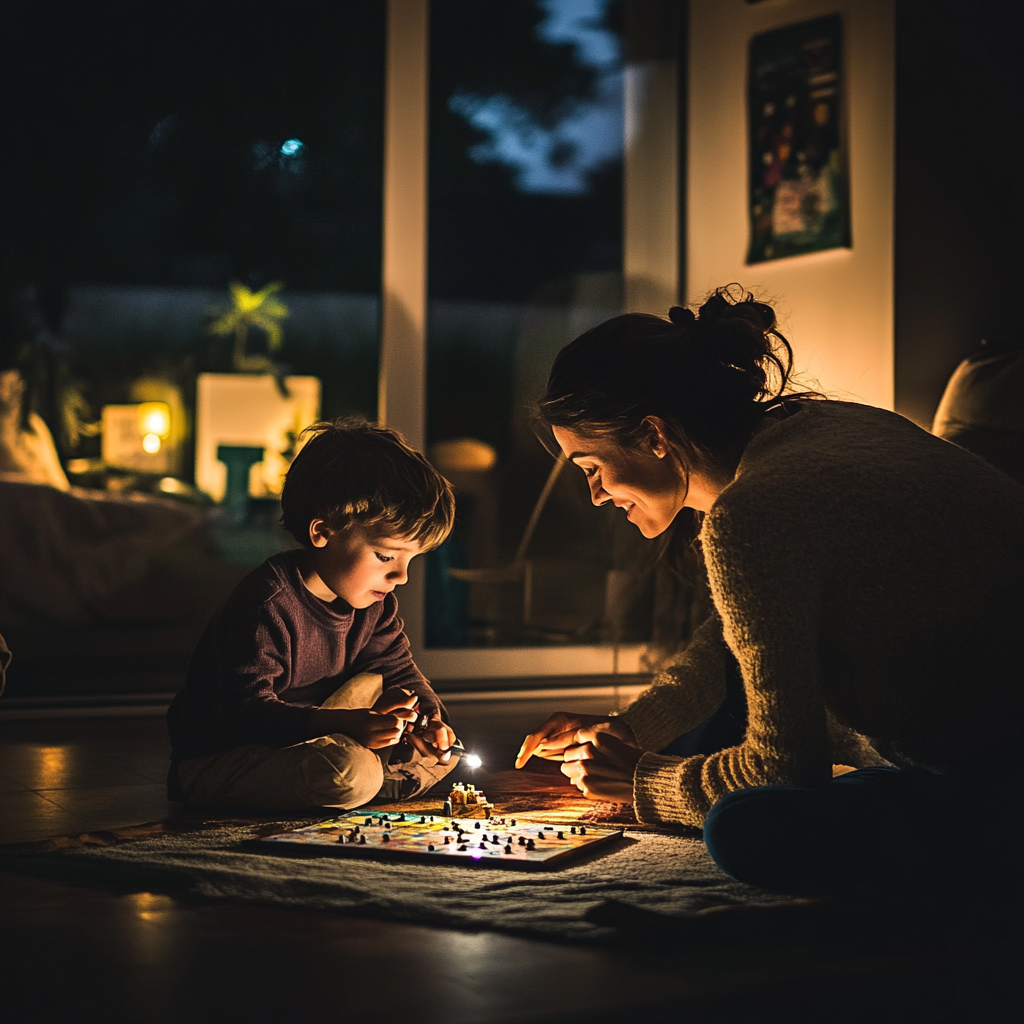
Kids are especially sensitive during stressful times. Pack some comfort items like small toys, a card game, or their favorite snack into your emergency kit. These little things help provide normalcy when everything else feels upside down.
And do not leave kids in the dark when it comes to your plan. Explain what might happen and what you will do about it in a way that makes sense for their age. Knowing what to expect helps reduce fear and keeps them focused on what they can do to help.
Make Decisions Before You Need To
When you are calm and thinking clearly, map out a few basic what-if trees.
For example, what will you do if the power goes out? First, check if your neighbors have power. If they do, it might be a breaker issue. If not, grab your flashlight and settle in.
These small planning tools give you a clear next step and take pressure off during real events. You do not need a binder full of flowcharts. Just a few simple paths you can remember and use.
Common Mistakes to Avoid
After seeing how people react when emergencies hit, some patterns stand out. If you want to avoid unnecessary stress, skip these common mistakes and keep your plan realistic and ready.
Making It Too Complicated
I’ll admit it. I pack too much and sometimes overcomplicate things. Emergency planning was no different. When my Mum and I started our family plan, I brought a pile of ideas and way too much information.
She reminded me to keep it simple and focus on a few easy steps we would actually remember.
So, remember to keep things simple. Your plan should be easy to follow, even under pressure. The simpler it is, the more likely it will work when you need it most.
Letting Supplies Go Stale
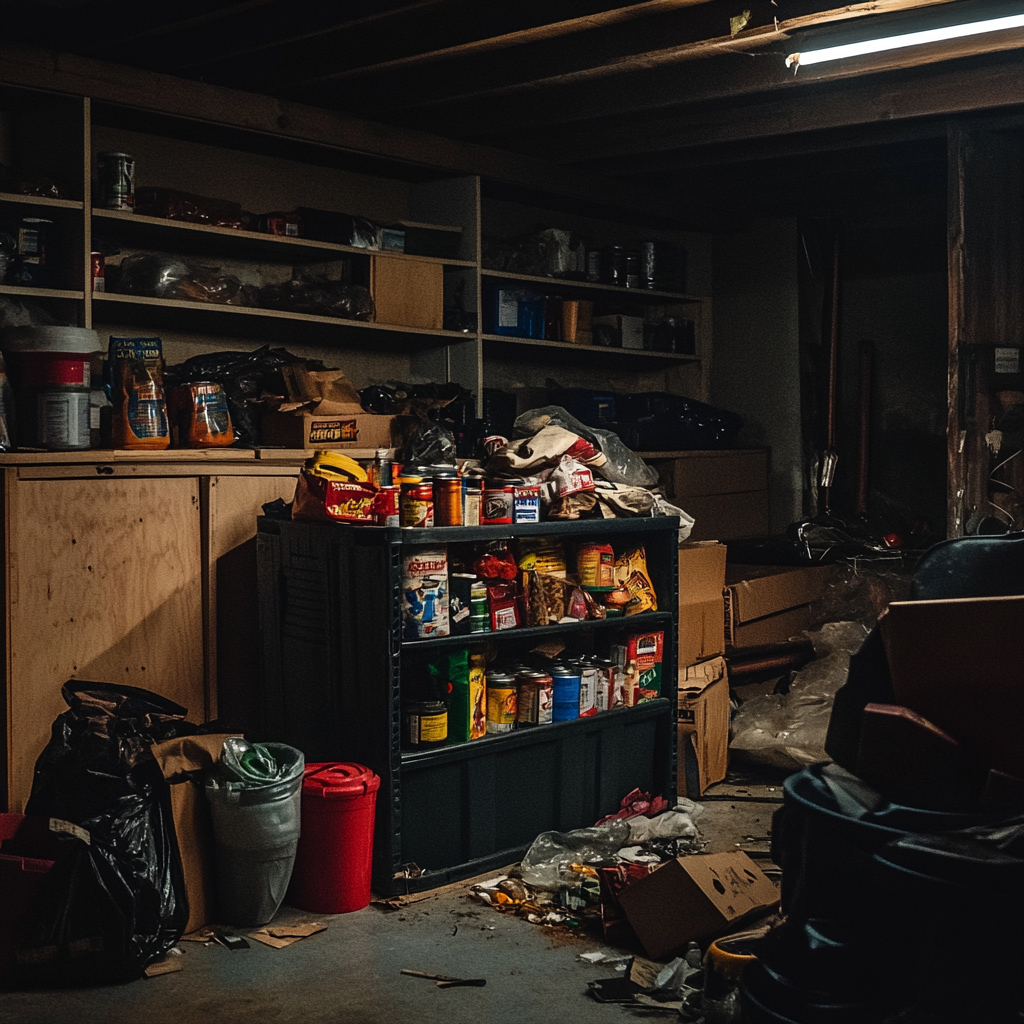
Emergency gear is not a one-and-done task. Food expires. Batteries drain. Medications lose strength.
The best way to remember is to set a calendar reminder every six months to check your supplies. Rotate what you use and make it part of your regular routine.
I usually do this when it’s time to change the clocks. And don’t even get me started on daylight savings. It’s annoying, but it works as a good reminder to update gear and check expiration dates.
Forgetting About the Furry Members of the Family
Pets need to be part of your plan, too. Pack food, water, any medication they need, and something comforting like a favorite toy or blanket.
Here is a bonus: take note now which shelters or hotels will accept pets and how you will get them there (not just your immediate area, but also an hour from home is best).
Not Having Any Cash
When power is out, card machines often are too. That leaves you stuck if you do not have cash.
Keep a small stash of bills in different amounts tucked away in your kit. It does not need to be a fortune, just enough to cover gas, groceries, and other basics for a few days.
Make It Part of Your Routine
The secret to real preparedness is keeping it simple and sustainable. This is not a one-time project you cross off a list. It is something you build into your life.
- Pick storage solutions that actually work with your space.
- Keep your supplies easy to reach but out of your daily way.
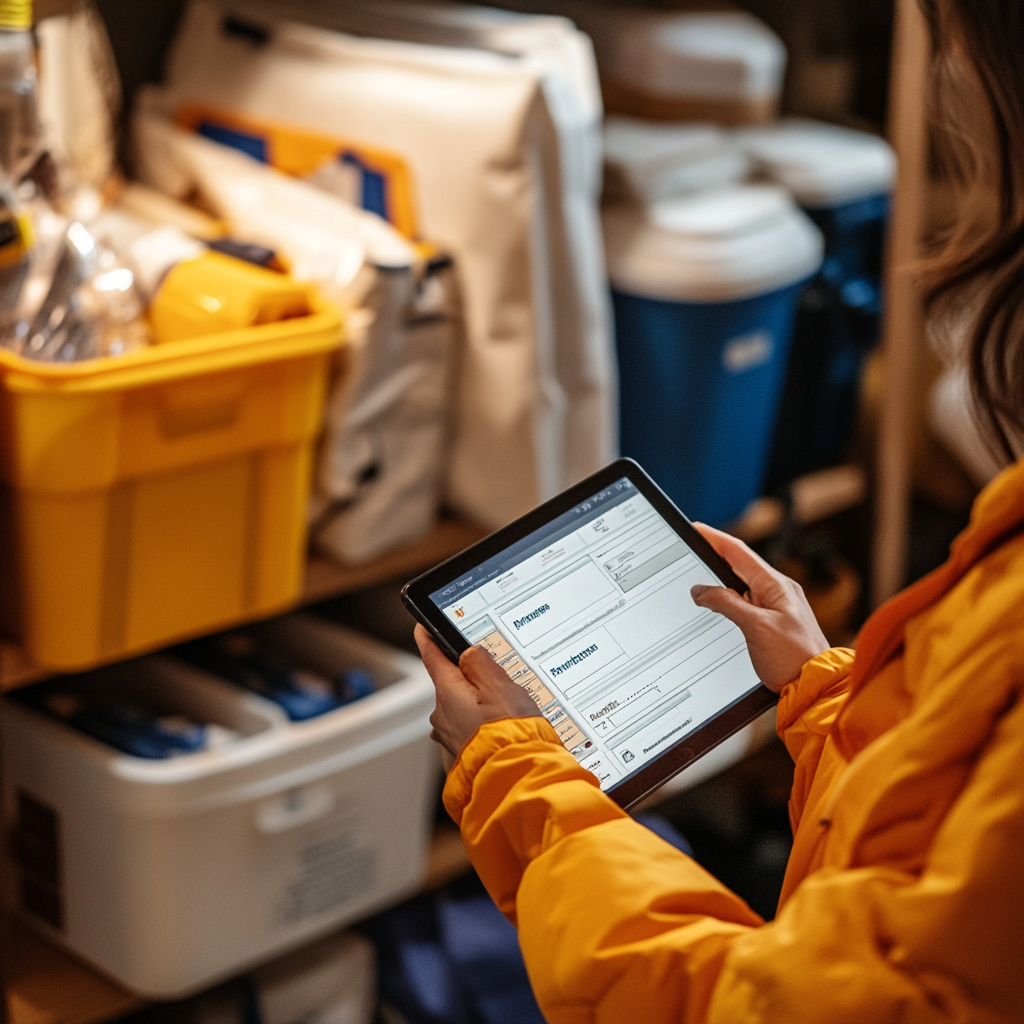
- Label everything clearly so you are not digging through bins when the lights are out.
Check your gear on a regular schedule.
- Turn on your emergency radio once a month.
- Test flashlights.
Make sure everyone in your home knows how to use what you have. Equipment that fails when you need it most is worse than having nothing at all.
Think of your emergency supplies like an insurance policy.
You hope you never need it. But when something happens, you will be grateful it is ready to go. And just like insurance, it only works if you update it once in a while.
Have you enjoyed or learned something in this guide?
Find ways to Fuel the Adventure and help keep them coming.
Moving Forward
Getting your home ready for emergencies does not mean turning your life upside down or spending a fortune. It just takes a little planning, a few smart gear choices, and the commitment to check in now and then.
Start simple. Water. Food. Light. Communication.
Then build from there. Choose items that work in everyday life and keep things easy to manage.
Preparedness is not something you finish. It grows with you.
As your family changes, your plans should too. What works for a household with toddlers will not fit the needs of a retired couple. The goal is to stay flexible and realistic about what your life looks like right now.
You are not trying to prep for the end of the world. You are just making sure that when something unexpected happens, you are not left scrambling. That is practical preparedness. And when you get that balance right, life gets a little less stressful.
Stick around for next week’s email.
We are shifting gears into vehicle preparedness (one of my personal favorites).
I will show you how to go beyond the basic roadside kit with space-saving tools and seasonal must-haves that can make all the difference. Click the link above to check it out! Inside that post, I share a preview of the full preparedness guide I have been building. Trust me, you will want to check it out.
In the meantime, I want to hear from you.
What part of home preparedness has been the hardest for you to tackle?
Drop a comment and let’s build a more prepared and resilient community together.