We may earn money or products from the companies mentioned in this post, but this does NOT cost you anything extra! Check out my full disclosure for more info.
One minute you are sipping coffee and checking the news. The next, there is smoke on the ridge and sirens on the street.
Emergencies do not wait for you to get ready. When it is time to move, you either grab what you have packed or you scramble and hope for the best.
That is why you need a modular go bag for quick evacuations.
This is not a random backpack stuffed with snacks and duct tape. A real modular go bag is built for speed. It organizes water, food, first aid, documents, and hygiene gear into simple pouches you can grab when every second counts.
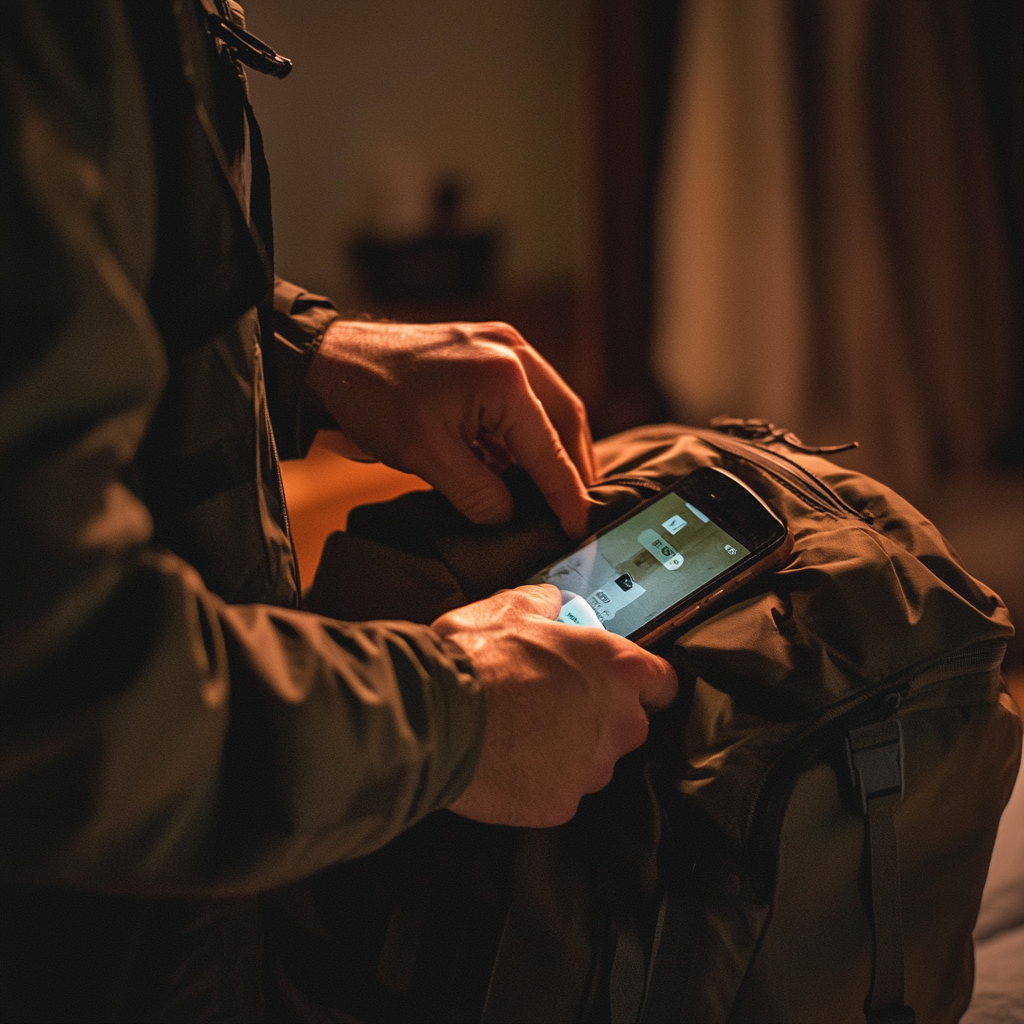
If you need help building a basic Emergency Supply Kit, check out more in the previous post, How to Build an Emergency Kit That Actually Works.
But for now, we are going a step further. This guide is about building a bag you can carry with confidence when the clock is ticking.
What Makes a Go-Bag Modular
A modular go bag is not just a backpack stuffed with random gear. It is a system built for speed, clarity, and action when it matters most.
And everything inside has its own place. Food, water, first aid, documents, and even pet supplies are packed into separate pouches or compartments, ready to grab without digging through a pile of clutter.
In a real emergency, you do not have time to search for your flashlight or water filter.
You want everything organized so you can get what you need without thinking twice. That is the edge a modular go bag gives you.
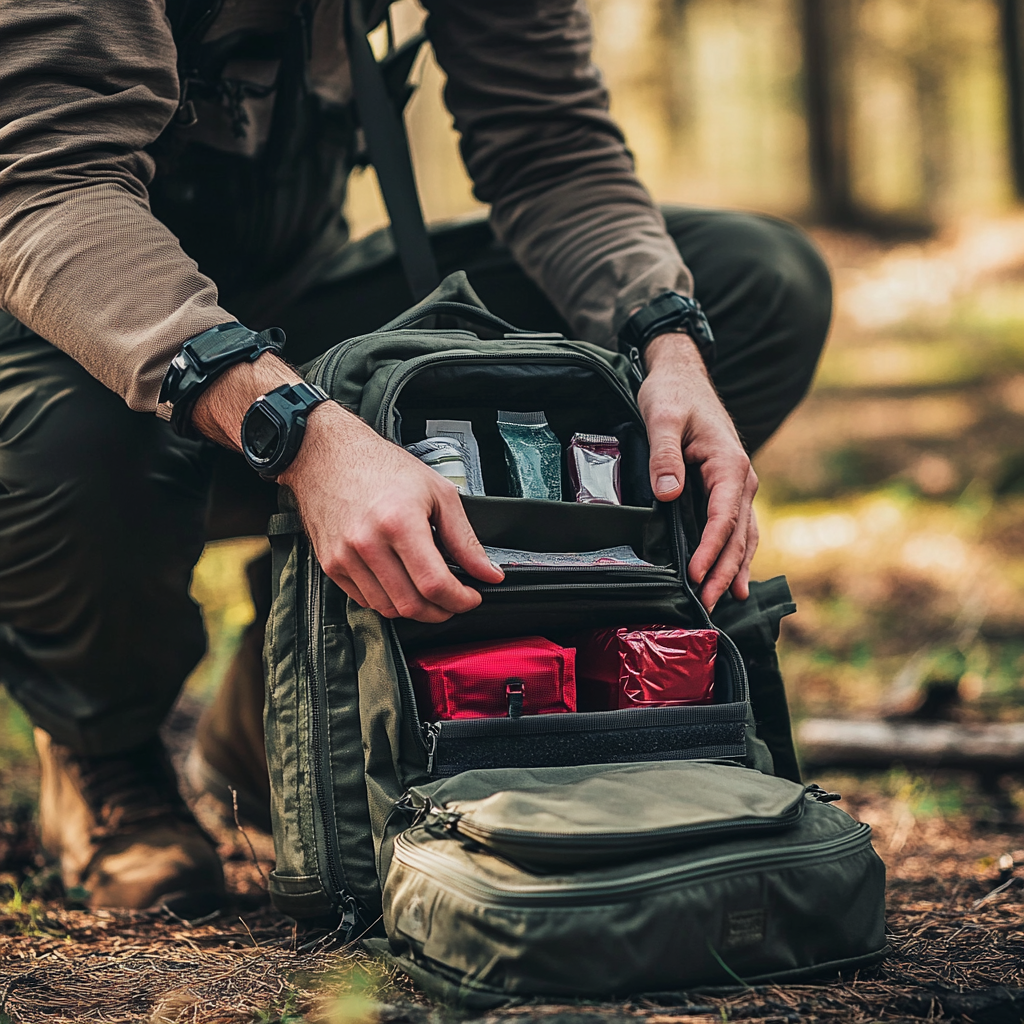
Unlike a standard Emergency Supply Kit or a 72-Hour Emergency Kit that sits on a shelf until needed, a modular go bag is built to move.
They are made to be carried, open fast, and used without dumping your life all over the ground.
You can take it to the next level by using color-coded pouches, or using simple labels might seem like overkill now, but when the pressure is on, they will make all the difference.
Designing Your Go-Bag Around Real-Life Scenarios
I think by now we all know that not all emergencies are created equal.
What you pack should reflect the kind of situations you are most likely to face. That is where a little local knowledge and common sense come into play.
Coastal region with hurricane risk? You will want to pack things such as:
-
- Waterproof bags for documents
- Extra clothes
- Backup phone charger with a solar panel
If you are in earthquake territory, consider:
-
- Sturdy boots
- Flashlight with extra batteries
- A gas wrench for shutting off the gas line
If you live in wildfire country, you might want to include:
-
- Heavy-duty gloves
- N95 masks to help filter the smoke
- Small battery-powered air purifier
I know this firsthand.
I have been evacuated in the middle of the night more than once. When you wake up to the smell of smoke and only have a few minutes to throw on your shoes and run out the door, you are either ready or you are scrambling.
The last time it happened, my roommate shook me awake, and we could see the fire just over the ridge. Because I had a plan, I had time to pack a few extras (my sleeping pad, tent, hammock, food, and water).
Not five minutes later, we were under a mandatory evacuation order. I did not make it back home for a month, but I had everything I needed to get through it.
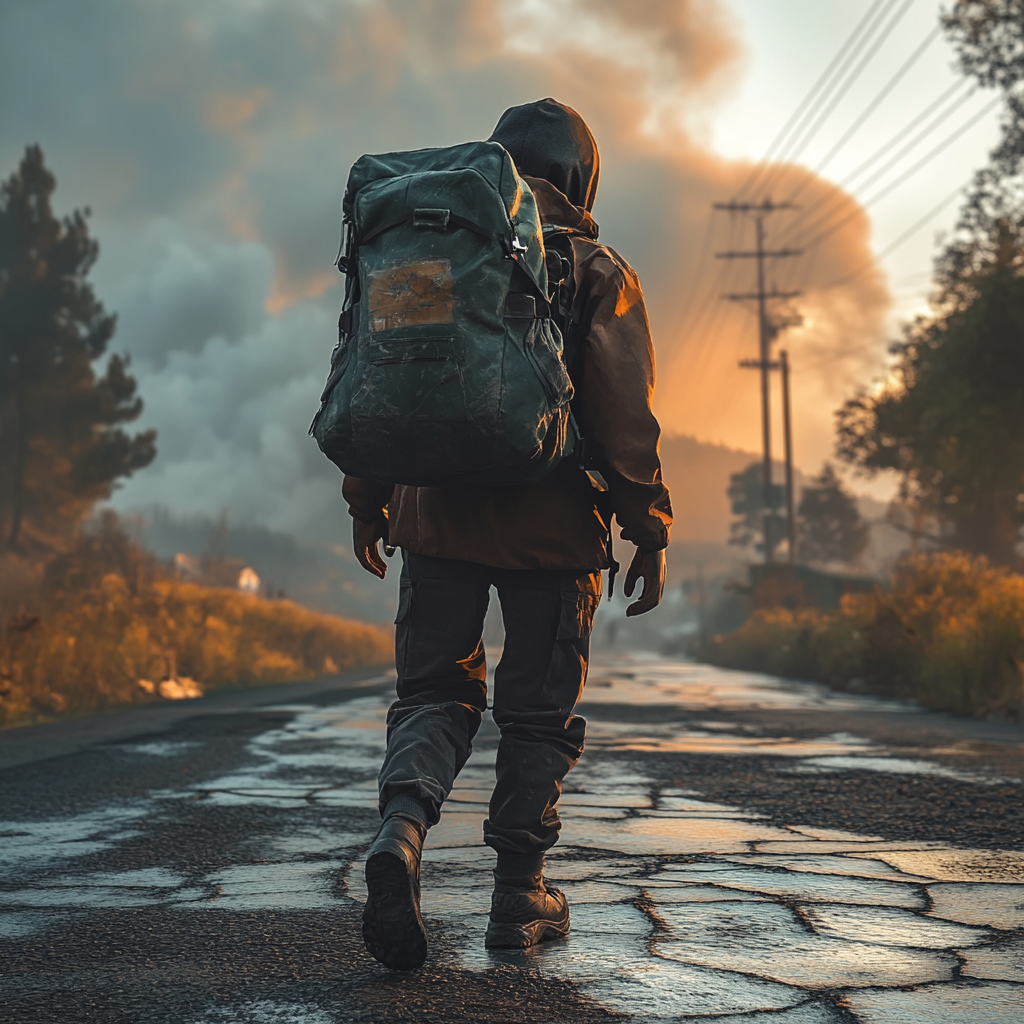
Experience teaches you real fast that being prepared beats getting lucky.
The big takeaway is simple. Your modular go bag should not be a one-size-fits-all checklist. It should match your environment, your lifestyle, and the emergencies most likely to land on your doorstep.
Customization is what makes it useful instead of just extra weight.
And do not count on being home when something goes sideways. It is smart to stash a small Emergency Evacuation Kit in your car or at work.
Nothing fancy, just the basics you would need to get home safely or ride out a few tough hours if the roads are closed. Think of it as your go bag’s little brother. Smaller, lighter, but still ready to roll.
Not sure what emergencies you should be planning for?
Check out Ready.gov for official advice based on where you live.
Customization for Families, Kids, and Pets
One of the best things about using a modular system is how easy it becomes to pack for everyone in your crew.
No two people need the same setup. That includes your kids, your partner, and even the dog.
As for all these kits, start with the basics, then think about what keeps each person safe and comfortable.
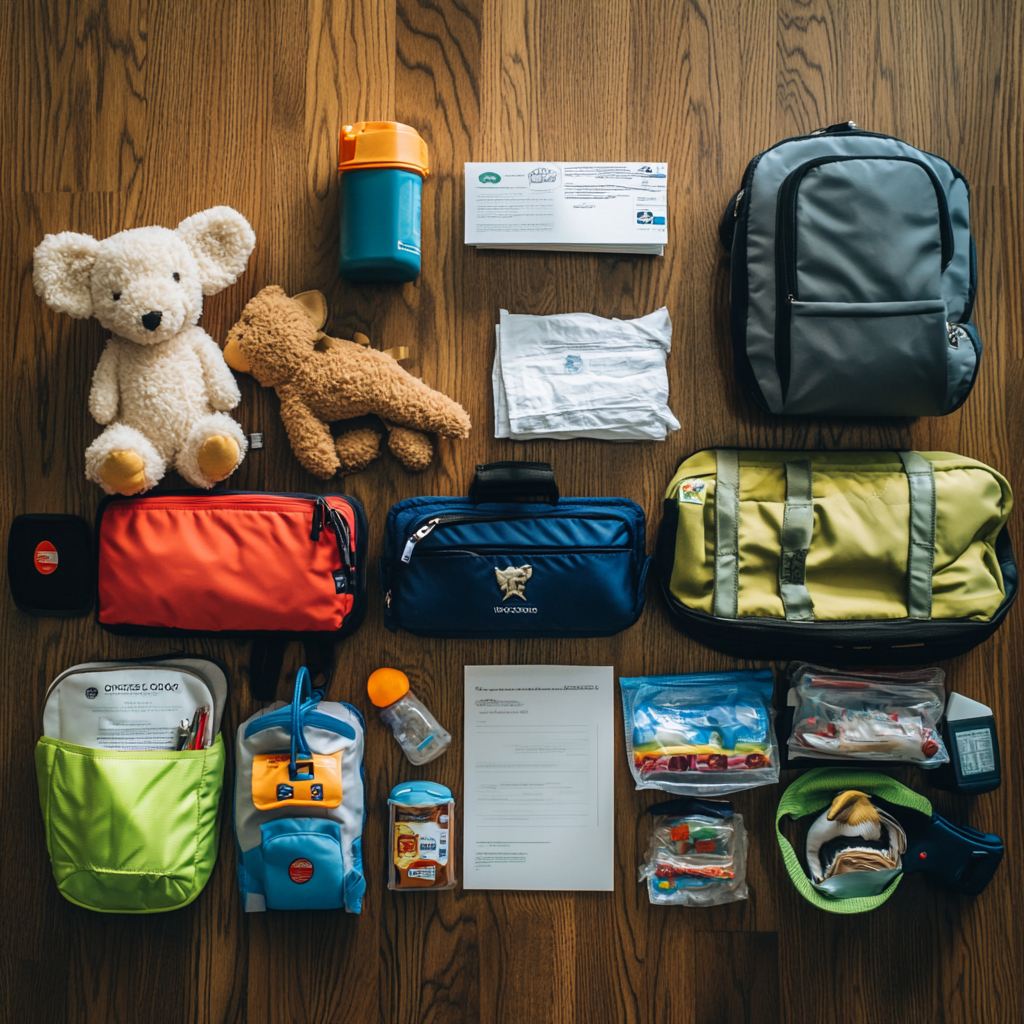
For young kids, it might be snacks, a change of clothes, baby wipes, and a favorite stuffed animal.
Teens might need chargers or prescription meds.
Pets need food, a collapsible bowl, and a leash.
You get the idea.
This is where modular packing really shows its muscle. Instead of dumping everything into one big bag, give each person their own labeled pouch or section.
One bag, broken into smaller, personalized pieces. Easy to find. Easy to update.
When your toddler grows out of diapers or the dog needs new meds, you are only swapping out one piece, not rebuilding the whole thing.
Something I always tell people is that preparedness is personal.
You can read blogs, watch videos, and get all the advice you want, but when it comes to packing your own gear, you know your needs better than anyone.
Build your go bag for your real life, not someone else’s.
Strategic Storage for Grab-and-Go Readiness
The best go bag in the world will not help you if it is buried behind holiday decorations or stuffed in the attic under a pile of camping gear.
When it is time to leave, you want your bag where you can grab it without a second thought.
Pick a spot that is easy to reach, even if the power is out or the house is dark.
The front hall closet works. So does under the bed or a cabinet near the door. Some folks keep theirs in a big tote near the exit.
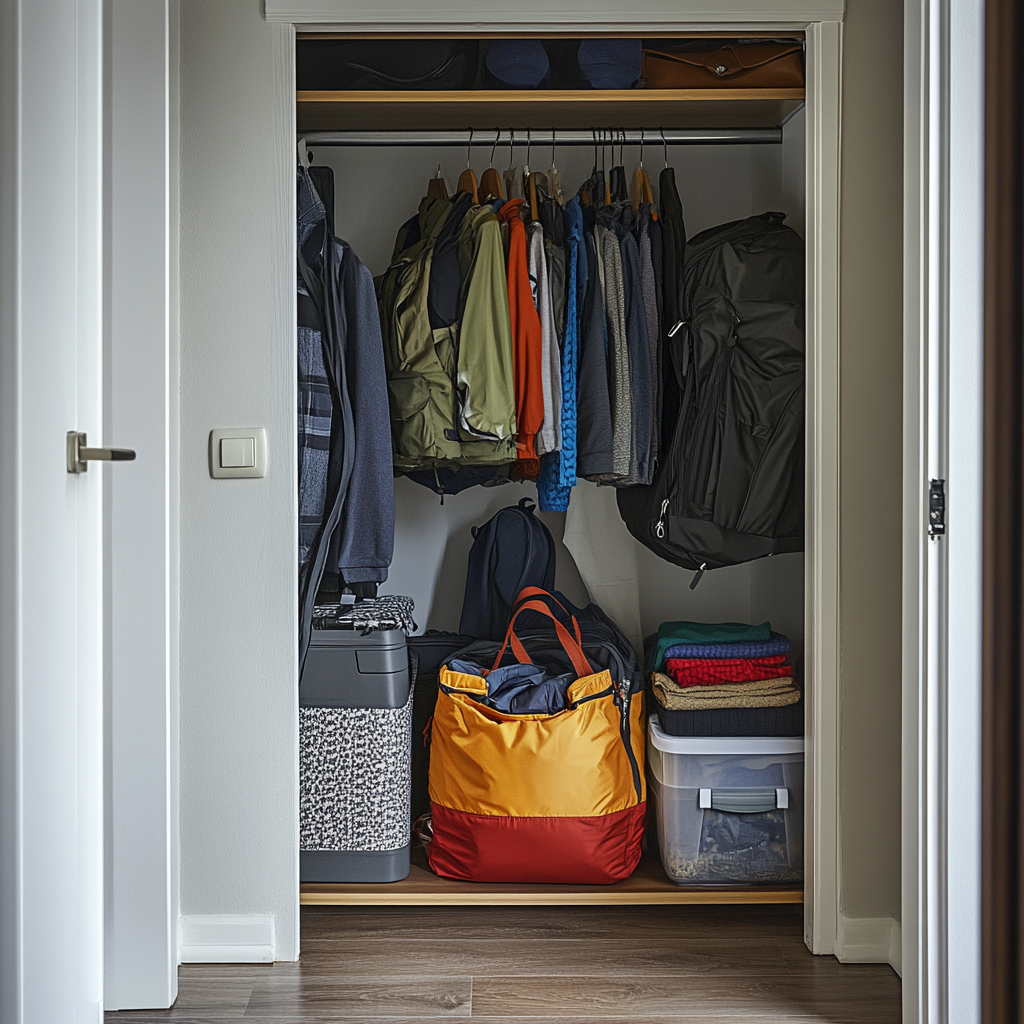
The key, again, is to keep it simple.
Think about what it will feel like when you need it. You do not want to climb over furniture or dig through boxes. You want to grab it and go.
Accessibility matters more than perfection. Your go bag is not a display piece. It is a tool, and tools should always be within reach.
Quick tip
Use the fall daylight saving change as a reminder to check your bag.
You already have an extra hour. Might as well put it to good use.
Take a minute to rotate snacks, check batteries, and swap out seasonal gear.
It does not need to be perfect. It just needs to happen.
When It’s Time to Go, You’ll Be Ready
Building a modular go bag is not about fear. It is about readiness. It is about taking action now so you do not have to panic later.
This post walked through how to design a go bag that fits your life, your region, and the people you care about.
We talked about why modular packing makes sense, how to tailor gear for real-world scenarios, and where to store your bag so it is ready when you need it.
You do not have to be an expert to be prepared.
You just have to be thoughtful, a little intentional, and maybe a little stubborn about getting it done.
A good go bag gives you options. It gives you time. It gives you a fighting chance to handle whatever comes your way.
Luck is great. But being prepared? That is better.
Once your go bag is dialed in, make sure you are also covered at home.
Check out my post on How to Build an Emergency Kit That Actually Works for a full breakdown of what to keep on hand when staying put is the safer option.